

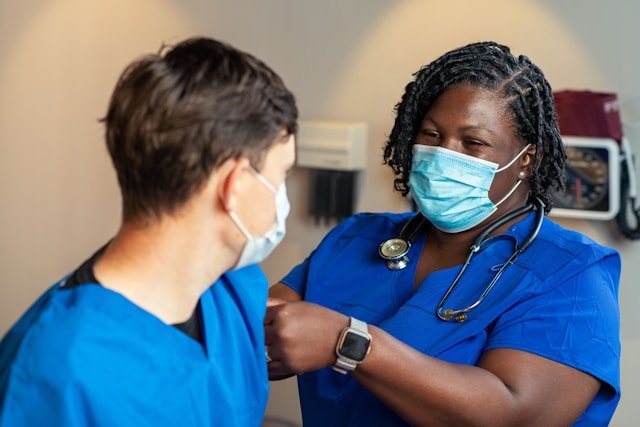
Recall the last instance when you or a family member sought medical guidance that didn’t necessitate an urgent care visit. It might have been a persistent fever, concerns about a child’s skin condition, or necessary follow-up after a hospital discharge. In such scenarios, nurses often serve as the beacon of reassurance. They assess vital signs, provide medication instructions, and offer comfort amidst uncertainty.
However, nurses extend their roles far beyond hospital walls. They conduct health screenings in the community, oversee vaccination campaigns, educate families about nutrition, and identify long-term health issues before they escalate. They are the vital link that secures community health, yet this link is becoming increasingly fragile.
An escalating nursing shortage indicates that there are fewer qualified professionals when families are in most need. Understanding the implications of this shortage and ongoing efforts to address it is crucial for anyone invested in personal health.
The Vital Role of Nurses in Community Health
When envisioning a nurse, one may picture bustling hospital corridors filled with medical equipment and patients. Yet much of nursing occurs outside these environments. Community health nurses conduct home visits, operate mobile clinics, and manage health services in schools. They are often the first to recognize when a senior citizen is neglecting their medication or when a child’s asthma symptoms worsen.
According to the World Health Organization’s State of the World’s Nursing 2025 report, nurses comprise over half of the global health workforce and play a crucial role in providing primary care. Alarmingly, the report estimates a global nursing shortfall of 4.1 million by 2030, a reduction from 5.8 million in 2023, yet still significant enough to jeopardize health equity internationally.
Nurses distill complex medical information into actionable advice for families. They articulate the necessity of completing a prescription even when symptoms fade. They instruct new parents on safely swaddling their infants. They detect early indicators of diabetes during community health assessments.
For healthcare institutions, access to competent local nurses is not merely beneficial; it is essential for preventing avoidable readmissions. A lack of staff in clinics and nursing facilities places an enormous burden on the community.
The Consequences of Nurse Shortages on Public Health
The consequences of inadequate nursing staff are stark: preventative measures falter. Health screenings are delayed, educational initiatives disappear, and remaining nurses are redirected to urgent care, significantly reducing the workforce available for community outreach that keeps illnesses at bay.
The statistics depict a troubling narrative. As noted by Nurse.org, referencing the NSI National Health Care Retention and RN Staffing Report, RN turnover reached an alarming 17.6% in 2025. The cost of replacing a single bedside nurse averages $60,090—funds that could otherwise support community health initiatives.
Furthermore, CNA Insurance indicated that 100,000 nurses departed the workforce during the COVID-19 pandemic, with an additional 900,000 projected to leave by 2027. This report also anticipates a national shortfall of 100,000 healthcare workers by 2028.
What are the implications for everyday health? Expect longer waits for medical appointments, reduced time with the attending nurse, and fewer community health programs. This situation can lead to late diagnoses of conditions like hypertension or early-stage diabetes, complicating treatment and driving up costs.
A study from Nursing Inquiry in April 2025 demonstrated that public health nurses reported a 6-11% higher likelihood of feeling confident in addressing health equity compared to their non-nurse public health counterparts. The depletion of these nurses doesn’t just impact individual patient care; it amplifies health disparities across communities.
This is where families experience the most direct impact. While striving to keep children healthy and active, a health system short on preventive care due to insufficient staffing poses a significant challenge.
Leveraging Technology to Enhance Nurse Accessibility
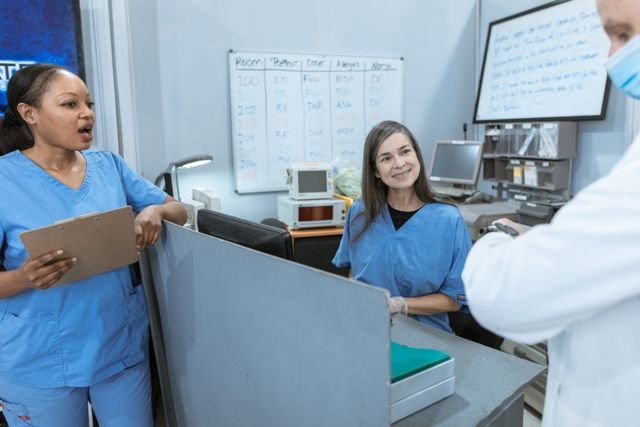
The nursing shortage won’t resolve itself without intervention. However, innovative tools are transforming the landscape of nurse recruitment and retention. Rather than relying on lengthy hiring processes, many healthcare providers are turning to digital staffing platforms to quickly connect with qualified nurses for shifts.
In 2025, the global market for per diem nurse staffing was valued at approximately $15.99 billion, with forecasts reaching $22.30 billion by 2030, according to Research and Markets. This growth indicates a significant transformation in healthcare staffing practices.
These digital platforms empower nurses to select their work schedules and locations. Such flexibility is critical, as many nurses left traditional hospital roles seeking greater control over their professional lives. By offering shift-based or per diem opportunities through mobile apps, facilities can entice seasoned nurses who might have otherwise exited the field.
This shift positively impacts community health. A clinic needing a nurse for a vaccination event can quickly post a shift and find a qualified candidate within hours. Similarly, nursing homes facing staffing shortages on weekends can maintain care quality without gaps. More than half of shifts posted on these platforms are filled within 24 hours.
This method aligns with broader wellness objectives, as ensuring consistent access to nursing professionals enhances community health outcomes. For individuals developing home fitness routines, the availability of qualified nursing support instills confidence in overall community wellness.
Implications of Nursing Access for Your Health
The realities of nursing availability are tangible. In communities with sufficient nursing staff, patients experience quicker test results, children receive timely health screenings, and seniors benefit from preventive home visits that can avert hospital admissions due to medication errors.
In contrast, insufficient nursing staff leads to noticeable deficiencies that only become clear when they impact you personally, such as postponed mammograms, missed blood pressure screenings, or canceled health fairs due to a lack of nursing personnel.
The nursing shortage represents a multifaceted issue—it is a matter of health equity, community well-being, and family health. However, it is also a challenge that can be addressed through smarter staffing strategies and technological advancements that position nurses where they are most needed.
Improving access to nursing care should be integral to discussions about healthcare policy and personal health strategies. The availability of qualified nurses at the local level directly correlates with improved health outcomes for all. This principle is not just a theoretical concept; it is the cornerstone of robust community health.