

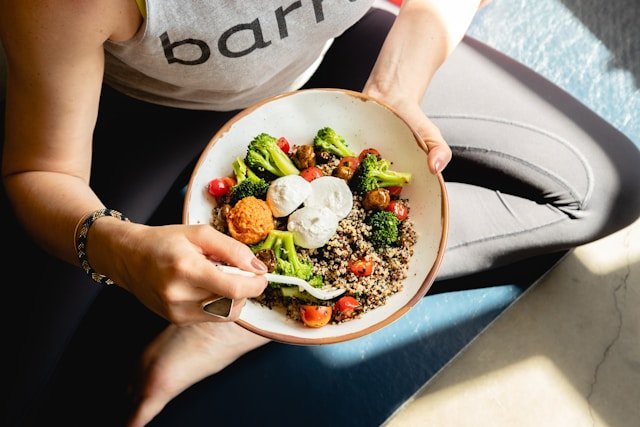
When discussing vein health, nutrition is often overlooked. Commonly attributed causes of varicose veins, spider veins, and circulatory problems include genetics, aging, prolonged standing, and activity levels. Yet, emerging studies highlight the significant role that diet plays in vascular well-being.
The food choices we make daily affect all bodily systems, including the circulatory system. Blood vessels rely on proper nutrition for their structure, flexibility, and overall function. Diet influences blood flow, inflammation, and tissue repair in veins. Furthermore, it impacts fluid balance within the body and the integrity of vein walls.
While nutrition alone may not prevent or remedy all vein-related issues, a healthy diet can greatly enhance the performance of the vascular system. Making informed dietary choices alongside maintaining a healthy lifestyle and seeking appropriate medical care can lead to improvements in one’s condition and overall quality of life.
Understanding how nutrition affects circulation underscores the potential for individuals to enhance their vascular health by adopting better daily habits.
Understanding Vein Function
To grasp the significance of nutrition for vein health, one must first understand the operation of veins. These vessels are responsible for returning deoxygenated blood to the heart after it has delivered oxygen throughout the body. In the legs, veins must combat gravity to facilitate blood flow upward.
Veins contain one-way valves designed to prevent backflow as blood journeys toward the heart. The leg muscles play a crucial role in pushing blood through the veins. When veins weaken or valves become compromised, it can lead to blood pooling, resulting in conditions like varicose veins and other circulatory challenges.
While genetics and aging can influence circulation, nutrition can have a positive impact on blood vessel health, inflammation, and overall circulation.
The circulatory system requires a range of essential nutrients to operate effectively. Nutrient deficiencies can adversely affect blood pressure and metabolism, thereby placing additional strain on the vascular system. Conversely, a diet rich in nutrient-dense foods can bolster circulation and support vascular integrity.
Thus, nutrition plays a crucial role in maintaining healthy blood flow and the condition of blood vessels, highlighting the importance of a balanced diet.
Inflammation and Venous Health
There is a growing interest in chronic inflammation within the medical community. While inflammation is a natural part of the healing process, persistent low-grade inflammation can lead to a variety of health complications, including issues related to the vascular system.
Chronic inflammation can alter the linings of blood vessels, thereby affecting both circulation and existing venous conditions.
Diet plays a significant role in inflammation; consumption of highly processed foods often correlates with increased inflammation levels. Foods high in refined sugars, unhealthy fats, and excessive processing contribute to this chronic issue.
Conversely, a diet rich in whole, unprocessed foods that are high in vitamins can help manage inflammation. Nutrient-dense options like healthy fats, fruits, vegetables, nuts, and seeds can support vascular health by enhancing circulation.
The Importance of Vitamin C for Vein Health
Among various vitamins, vitamin C stands out as particularly essential for maintaining vascular health. Being a precursor to collagen, adequate vitamin C levels are directly associated with the well-being of blood vessels.
Collagen serves as a vital connective tissue that enhances flexibility and strength. Insufficient vitamin C intake increases the risk for blood vessel and connective tissue health issues.
Numerous foods are rich in vitamin C, and incorporating these into your diet can facilitate the maintenance of connective tissues and vascular health.
Given the reliance of vein walls on vitamin C for structural stability, this vitamin plays a key role in promoting vascular health.
The Benefits of Fiber for Circulatory Health
While fiber is traditionally linked to digestive health, its positive effects on heart and vein health can also be significant, albeit indirect.
Fiber aids in cholesterol management and weight control, while also helping to prevent constipation—a condition that can increase abdominal pressure and further stress the veins in the legs. These benefits all contribute to improved circulatory health.
Fiber is abundant in whole grains, fruits, vegetables, legumes, and nuts. Including these foods in your diet can enhance overall health.
The Impact of Hydration on Circulation
Hydration is another critical component of healthy circulation. Adequate water intake is necessary for maintaining optimal blood volume and flow.
Dehydration can lead to concentrated blood, further impairing circulation. Although dehydration does not directly cause vein disease, sufficient hydration is essential for supporting the body’s natural blood flow.
Staying well-hydrated can enhance circulation and mitigate the sluggishness associated with low blood flow. Regular water intake is one of the simplest yet most effective health practices one can adopt.
Nutrition’s Role in Weight Management
Excess body weight exerts additional stress on the circulatory system, particularly affecting the leg veins. As weight increases, the burden on leg veins grows, making it more challenging for them to return blood to the heart.
This added strain can worsen circulatory issues and elevate the risk of developing vein-related symptoms.
Focusing on nutrition can assist in weight management. By embracing healthier food choices and incorporating more whole foods, individuals can alleviate pressure on the venous system, thereby improving circulation and reducing strain on the veins.
Foods that Support Vascular Wellness
Prioritizing whole and minimally processed foods can lead to remarkable enhancements in vascular health. Fruits and vegetables are rich in antioxidants, supporting blood vessels that may be compromised by oxidative stress. Healthy fats sourced from avocados, olive oil, nuts, and fatty fish promote better heart and vessel function.
Whole grains contribute essential fiber and nutrients that facilitate circulation, while lean meats support the repair and maintenance of tissues.
Instead of fixating on particular “superfoods,” focusing on an overall balanced diet may prove more beneficial.
When to Seek Medical Support
While healthy eating and lifestyle adjustments often help improve circulation, they may not suffice for treating existing vein diseases. Factors such as genetics, aging, hormonal changes, and occupational hazards necessitate a thorough evaluation by a healthcare professional.
Indications of venous dysfunction may include leg swelling, feelings of heaviness, varicose veins, and changes in skin texture. All such symptoms warrant a professional assessment.
Individuals experiencing signs of venous dysfunction may benefit from the expertise of vein specialists in Bonita Springs, FL, who can evaluate circulation issues and suggest personalized treatment plans.
A combination of healthy practices and medical interventions is ideal for enhancing long-term vascular health.
Comprehensive Strategies for Improving Vein Health
For optimal vein health, a blend of medical care and healthy habits—including balanced nutrition, regular exercise, and overall physical wellness—is essential. Each component contributes to blood health and circulation.
Regular activity strengthens the muscles responsible for pumping blood, while a nutritious diet provides essential resources for maintaining robust blood vessels. Additionally, staying hydrated and seeking timely medical evaluations support healthy circulation.
By merging healthy habits with effective health management strategies, individuals can significantly enhance their overall well-being.
Conclusion: Nurturing Vein Health from Within
The connection between nutrition and vein health is critical, yet often overlooked. The foods we consume play a vital role in fostering and sustaining strong blood vessels that aid in managing inflammation.
While nutrition alone cannot eliminate all risk factors associated with vein disease, it remains one of the most impactful and accessible methods for supporting vascular health. When paired with other healthy habits and appropriate medical treatment, nutrition can act as a protective factor for our vascular system.
As research continues to illuminate the relationship between diet and vascular health, it becomes increasingly evident that the strength of our veins depends on both our lifestyle choices and the foods we select.