

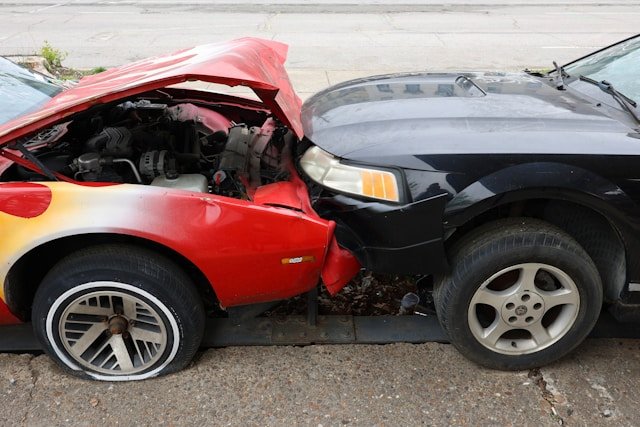
A significant car crash can abruptly alter your life. As you navigate through your day, a wave of uncertainty regarding repairs, vehicle damage, and what lies ahead can overwhelm you. Whether you’re grappling with shock, fueled by adrenaline, or dealing with confusion, knowing how to appropriately react in the crucial moments after the incident can greatly impact both your physical recovery and financial situation.
This article outlines the necessary steps to follow after a major accident in Oregon, focusing on immediate safety measures and understanding your legal rights, especially when dealing with impaired drivers.
Prioritize Safety and Call Emergency Services
Your foremost concern following any accident should be safety. If you are able, check on your well-being and that of others involved. Next, proceed with the following actions:
- Relocate to a safer area. If your vehicle poses a danger and it is safe, move it to the roadside.
- Dial 911 without delay. Notify emergency services about the accident, regardless of its apparent severity, and inform them if anyone is injured.
- Heed the instructions given. Remain calm and wait for first responders to arrive. Avoid leaving the vicinity unless your safety is compromised.
Collect Essential Information at the Scene
Here’s a checklist of essential details to collect:
- Driver and vehicle specifics:
- Full name and contact information
- Driver’s license number
- License plate number
- Insurance details
- Witnesses:
- Names and contact details of anyone who witnessed the event
- Visual documentation:
- Images of all vehicle damages
- Conditions of the road, including skid marks and signage
- Weather and lighting situations
- Police report information:
- Officer’s name and badge number
- Case number or report number (request information on how to obtain a copy later)
Seek Medical Care Regardless of Your Symptoms
It’s not unusual to feel “fine” right after the accident, but many injuries, such as concussions, whiplash, or internal injuries, may not show symptoms immediately.
- Consult a healthcare professional. This will establish a record of your health, crucial for any potential claims.
- Follow up appropriately. If you experience new symptoms days after the accident, seek medical advice.
Timely medical care safeguards both your well-being and your legal rights.
Promptly Inform Your Insurance Provider
As Oregon operates under an at-fault system, the driver deemed responsible for the accident, along with their insurer, is typically liable for associated damages. Nonetheless, it is essential to inform your own insurance company as well.
When you contact your insurer:
- Stick to the facts. Share a clear recount of the event, refraining from speculation or admitting fault.
- Offer documentation. Submitting photos, witness statements, and the police report will be beneficial.
This initial step can help avoid delays in your claim process and cover immediate expenses.
If the Other Driver Was Impaired
If you suspect the other driver was under the influence, it’s crucial to inform the responding officer. They will perform a sobriety test and include the findings in their report, which can have significant legal implications.
Accidents caused by impaired drivers may present complex legal issues. For instance, you might be entitled to punitive damages in addition to standard compensation. Understanding your rights in such situations is crucial, so consider looking into resources about what to do if you are involved in an accident with an intoxicated driver.
Engage Legal Assistance Early
In Oregon, accident victims have the right to seek compensation for medical expenses, lost wages, pain, and suffering. However, navigating the legal nuances can be challenging, particularly if the other party was negligent or driving under the influence.
A personal injury lawyer can assist you by:
- Analyzing your case details
- Liaising with insurance companies on your behalf
- Counseling you on the spectrum of damages you might be entitled to
- Representing you in court if necessary
Consulting with an attorney sooner rather than later minimizes the risk of mistakes that may weaken your position.
Conclusion
The aftermath of a serious car accident can feel overwhelming, but knowing the correct steps to take can safeguard your health, finances, and legal rights. From seeking medical care to gathering evidence and consulting experts, every decision contributes toward your recovery.
In cases involving impaired drivers, extra caution is vital to ensure justice is served. While no one anticipates finding themselves in such circumstances, you don’t have to face them alone. With appropriate support, you can confidently navigate the path to recovery.