

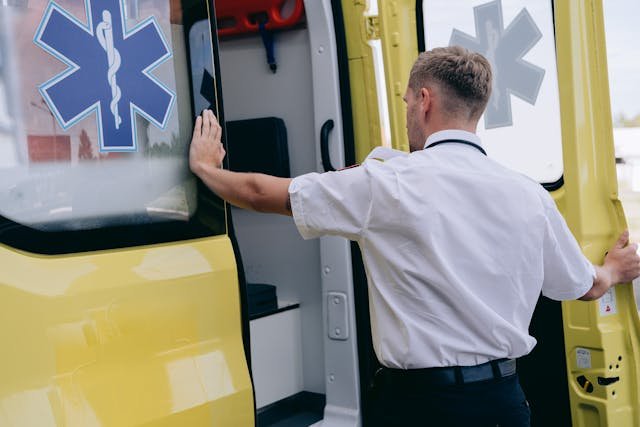
Each year, countless individuals in crisis due to mental health issues are transported throughout the UK—from their homes, community settings, or police custody to hospitals and specialized care facilities. As the need for mental health support escalates, the NHS, accident and emergency departments, and secure wards also face mounting pressures. These challenges underscore the importance of a cohesive approach to ensure that patients receive secure, compassionate, and timely care at each phase of their journey. However, one critical aspect of this process that often goes unnoticed is the safe and professional transport of individuals experiencing acute mental distress.
This is where specialist mental health transport comes into play. These services provide an essential foundation, offering not just transport, but also care, comfort, and stability during some of the most vulnerable moments in a person’s life. Staffed by trained professionals well-versed in mental health, these transports are conducted with dignity, clinical accuracy, and a steadfast commitment to the patient’s well-being. By minimizing delays, preventing incidents, and alleviating pressure on emergency services, specialist teams bolster the entire UK healthcare framework, making them an indispensable component of contemporary mental health care.
Here are ten compelling reasons illustrating the significance of specialist mental health transport within the UK healthcare system.
1. Transporting Mental Health Patients Safely and Compassionately
Effective mental health care hinges on the safe and reliable transportation of patients, which can significantly influence outcomes. Specialist mental health transport services ensure that individuals in crisis are moved with dignity, respect, and an understanding of their clinical needs. Unlike regular ambulances, these services are purposefully designed to ensure the safety and comfort of both the patients and staff, fostering reassurance and stability in a time of vulnerability.
The teams involved are expertly trained to handle sensitive situations with decorum and agility. Their methods encompass:
- Trauma-informed care – Recognizing emotional triggers to prevent actions that might lead to further distress.
- De-escalation techniques – Implementing empathetic communication to alleviate tense moments.
- Custom-designed vehicles – Created for patient comfort and security while avoiding feelings of confinement.
Unlike standard ambulance or police transport, which can inadvertently induce anxiety, specialist mental health transport prioritizes the individual’s comfort. The aim is not merely to reach a destination but to ensure that the individual feels secure, acknowledged, and respected throughout the journey. This aligns with advancements in healthcare technology, where human compassion and professional methods unite to enhance patient care. Just as medical innovation promotes healthier living, these specialized transport services integrate expertise, empathy, and design to uphold safety, dignity, and recovery at every step.
2. Alleviating NHS Waiting Times and Bed Blockages Through Specialist Transport
One of the most significant stresses on the UK healthcare system arises from prolonged waits when individuals in mental health crises cannot be swiftly transferred to appropriate care settings. This often leads to overcrowding in A&E and hospitals, where patients awaiting specialized care occupy beds that could serve others in critical need. These delays not only heighten patient distress but also burden NHS resources, contributing to longer wait times, exasperated staff, and compromised care quality.
Specialist mental health transport services play a pivotal role in mitigating these issues. Operated by trained teams available around the clock, these services facilitate the secure movement of patients from A&E or community settings to the appropriate facility without unnecessary delays. Efficient transfers decrease the time patients spend in unsuitable environments, thereby freeing up crucial hospital resources and allowing staff to concentrate on those requiring immediate attention.
The main advantages of utilizing these transport services include:
- Expedited patient placement – specialist teams effectively coordinate with mental health units to confirm availability and ensure seamless transitions.
- Decreased bed blockages – optimizing A&E and ward accommodations for incoming patients enhances overall hospital efficiency.
- Enhanced hospital performance metrics – timely patient transfers support Key Performance Indicators (KPIs) such as duration of stay, discharge rates, and satisfaction scores.
By streamlining the movement of patients, specialist transport services safeguard vulnerable individuals while bolstering the operational effectiveness of the NHS. They transform a demanding and hazardous procedure into a controlled, compassionate, and clinically adept service, benefitting patients, healthcare professionals, and the entire system.

3. Assisting Mental Health Professionals and Hospital Personnel
Specialist mental health transport services benefit not only patients but also hospital staff and mental health professionals by managing the complex logistics involved in safely relocating individuals. This enables clinical teams to focus on their core responsibilities—care and treatment.
Critical support points include:
- Lessening staff workload – Nurses and security staff are relieved of the challenges associated with escorting patients, reducing overall stress and fatigue.
- Enhanced focus on clinical care – Teams can dedicate their attention to assessments, therapy, and treatment plans rather than transportation logistics.
- Improved teamwork – Secure24 crews collaborate closely with hospital staff to ensure smooth transitions and effective communication.
- Structured transfers – Professional teams adeptly manage challenging behaviors or high-risk situations, minimizing incidents within wards.
- Operational efficiency – Hospitals experience quicker admissions and discharges, boosting overall workflow and patient throughput.
By closing the gap between patient needs and hospital capabilities, specialist mental health transport services emerge as a crucial support system, enhancing staff capacity to deliver superior care in a secure environment.
4. Safely Managing High-Risk or Complex Behaviors
Transporting individuals facing mental health crises frequently requires addressing high-risk or complex behaviors, including aggression, psychosis, or self-harm. Specialist mental health transport crews are adept at handling these situations effectively and securely. Through dynamic risk assessments, they continually evaluate the patient’s conduct and environment, adjusting their strategies in real-time to prevent escalation. This proactive stance enables them to foresee triggers and intervene before situations become hazardous, thereby ensuring the safety of both patients and staff.
A fundamental tenet of specialist transport involves grasping the distinction between “secure” and “restrictive.” While secure vehicles and procedures are in place to mitigate risk, they aim to uphold the dignity and comfort of patients, avoiding feelings of punitive control. The emphasis lies on verbal de-escalation, calm communication, and trauma-informed interaction over physical restraint whenever feasible. This strategy ensures that patients are treated with respect while managing risks, fostering a secure and supportive environment during a period of intense vulnerability. By merging safety with empathy and professional expertise, specialist mental health transport services can transform challenging transportation experiences into structured moments of care.
5. Ensuring Continuity of Care Through Specialist Mental Health Transport
Maintaining continuity of care is essential as patients transition between various healthcare environments such as A&E, inpatient mental health facilities, and community care services. Consistent and seamless transfers not only enhance patient safety but also foster recovery through uninterrupted treatment.
Key continuity benefits include:
- Clear communication – Specialist crews deliver comprehensive handovers to receiving healthcare providers, detailing mental state, medications, and risk factors.
- Coordinated transfers – Synchronizing with bed availability, treatment plans, and clinical objectives minimizes delays and reduces stress.
- Improved patient recovery – Smooth transitions instill a sense of support and trust in care teams.
- Error reduction – Clear handovers mitigate miscommunication and ensure adherence to care protocols.
- Professional collaboration – Providers like Secure24 partner with hospitals, community services, and mental health professionals to maintain open lines of communication.
By offering structured, professional, and patient-centered transport, specialist mental health transport services guarantee each transfer contributes to the care journey rather than acts as an obstacle to essential, effective, and compassionate mental health support throughout the UK.

6. Enhancing System Efficiency and Resource Management with Specialist Mental Health Transport
Specialist mental health transport plays a critical role in improving the operational efficiency and resource management of the NHS. By promptly and safely transporting patients to the appropriate facilities, hospitals can avoid unnecessary bed occupancy, minimize treatment delays, and optimize staff allocation. Each successful transfer enhances the system’s overall functionality for both patients and providers.
Without dedicated transport services, hospitals face wasted bed time, extended patient stays, and rising operational expenditures. Delays in moving patients from A&E or wards to mental health units create bottlenecks, forcing staff to juggle logistical challenges at the expense of clinical care. These inefficiencies have far-reaching effects, influencing KPIs, patient satisfaction, and overall NHS performance.
Providers such as Secure24 leverage innovative models to enhance efficiency. Their strategies include reliable scheduling, digital tracking of vehicles and transfers, and transparent communication with hospital teams. This means every patient move is meticulously planned, monitored, and communicated, enabling hospitals to better utilize resources, enhance workflows, and maintain high care standards. By integrating transport into operational strategies, the NHS can offer safer, faster, and more economical mental health services.
7. Diminishing Police Involvement in Mental Health Emergencies Through Specialist Transport
In numerous mental health emergencies, the presence of police during patient transport can be intimidating and even traumatic for those in crisis. While law enforcement may be necessary in certain high-risk situations, specialist mental health transport services provide a more compassionate alternative for routine transfers, minimizing police involvement.
Key considerations include:
- Minimizing trauma – Patients tend to remain calmer and more cooperative when transported by trained mental health professionals instead of police officers.
- Reducing stigma – Specialist transport services normalize mental health care, moving away from narrative that patients are “criminal” or dangerous.
- Legal and ethical adherence – Crews operate according to the Mental Health Act and Code of Practice, ensuring patient rights are honored throughout the transport.
- Focus on care over enforcement – Clinical teams prioritize observation, reassurance, and safe management rather than policing.
- Enhanced patient outcomes – Less anxiety during transport leads to an improved engagement with treatment, decreasing the likelihood of escalation.
8. Enhancing Patient Experience and Recovery with Specialized Mental Health Transport
The experience of being transported during a mental health crisis can deeply influence a patient’s recovery and overall wellness. Specialist mental health transport services are focused on creating a calm and supportive atmosphere so that patients feel secure and valued from the moment they’re picked up.
Key aspects that enhance patient experience include:
- Empathetic communication – Trained staff employ reassurance and active listening techniques to ease anxiety and foster trust throughout the journey.
- Calm, professional surroundings – Purpose-built vehicles and knowledgeable personnel ensure a safe and non-threatening environment where patients feel in control.
- Support for long-term recovery – Positive experiences during transport lessen trauma, promote engagement in care plans, and lead to better mental health outcomes.
- Patient-centered practices – Each aspect, from seating arrangements to communication style, is tailored to prioritize the individual’s comfort and dignity.
- Continuity of care – Staff handovers include comprehensive communication with receiving clinicians, ensuring a seamless and supportive experience throughout the patient’s healthcare journey.

9. Collaboration Between the NHS and Private Sector in Specialist Mental Health Transport
The partnership between NHS and private specialist mental health transport providers is becoming increasingly vital in addressing the growing demands for mental health services. Organizations like Secure24 enhance NHS capabilities by providing flexible, scalable solutions during peak times or unexpected emergencies, ensuring patient transport that is both safe and efficient without compromising on the quality of care.
Benefits of NHS-private collaboration encompass:
- Scalability and flexibility – Private teams can swiftly mobilize to assist hospitals during periods of high demand or unforeseen crises.
- Shared protocols and training – Coordination between NHS staff and specialized crews ensures a consistent approach to safety and patient care.
- Continuity of care – Collaborative efforts streamline transitions, maintain accurate handovers, and reduce delays between facilities.
- Equitable access nationwide – These partnerships ensure all patients receive the same high level of transport and clinical support throughout the country.
- Improving system efficiency – Collaborative efforts lessen the strain on NHS resources, enabling staff to prioritize clinical care over logistics.
10. Future-Proofing Mental Health Care with Specialized Transport
As the UK population grows and the need for mental health services increases, demand for safe, efficient, and compassionate patient transport will only continue to rise. Workforce challenges within the NHS, including staff shortages and pressures on both emergency and mental health services, necessitate strategic planning. Specialist mental health transport services emerge as a sustainable solution; patients are transitioned securely, allowing clinical staff to focus on treatment and recovery.
Innovation and technology will be crucial in shaping the future. Modern specialized transport features GPS tracking, digital reporting, and performance monitoring, enabling hospitals and healthcare providers to oversee transfers in real-time, optimize routes, and identify areas for enhancement. By integrating these services into long-term NHS strategies and funding, healthcare leaders can prioritize patient safety, continuity of care, and operational effectiveness. Investing in specialist mental health transport today lays the groundwork for a more resilient, patient-centered healthcare system in the future.