

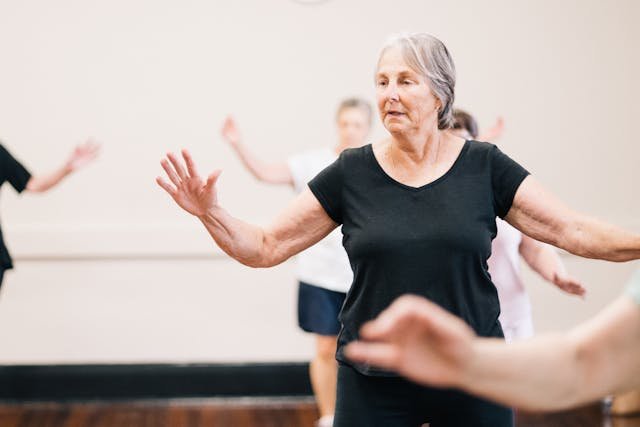
Older adults today are focused on fully embracing life. Active aging has become a fundamental principle in senior living, fostering joyful and healthy communities. This concept extends beyond mere physical activity; it also emphasizes mental engagement and social interaction. Leading senior living communities are designed to support this comprehensive approach.
The Three Cornerstones of an Engaging and Satisfying Retirement
By addressing all three aspects, communities can cultivate a well-rounded vision of retirement.
- Physical well-being –Movement is crucial, whether it’s through gentle walks or organized exercise classes.
- Cognitive stimulation –Engaging the mind is essential, achievable through lifelong educational pursuits, hobbies, and intellectually stimulating endeavors.
- Social engagement –Building friendships and participating in community activities are vital for emotional wellness and combating isolation.
What Recreational Options Are Available in Senior Living Communities?
Many senior living communities are now tailoring their programs to reinforce these three core pillars.
Customized Fitness for Everyone
The significance of exercise for seniors is widely recognized. Immediate benefits include improved sleep and reduced blood pressure, while long-term advantages range from enhanced bone health to lower risks of heart disease and dementia. Staying active is crucial for overall well-being.
Communities typically provide an array of physical activities catering to diverse ages and fitness levels. Tai chi, known for its ability to diminish fall risks among seniors, is commonly offered alongside yoga for those seeking gentle exercise. More vigorous activities may include swimming and dancing, while many campuses feature scenic walking paths and nature trails for casual movement.
Enhancing Mental Capacity
Recognizing the role of lifelong learning, many communities provide educational courses, workshops, and book clubs. Creative expression can bring joy to many residents, regardless of perceived talent, with art classes and studios becoming popular at numerous senior living locations. Studies indicate that engaging in creative activities may promote neurogenesis, fostering the formation of new brain cells, along with providing joy and social interaction.
Extensive research supports the idea that continuous learning and mental engagement are vital for cognitive health. A recent study found that starting intellectually stimulating activities after the age of 65 can provide a cognitive advantage of up to six years compared to those who do not engage in such activities, regardless of prior educational background.
Fostering Community Through Shared Interests
Senior living communities actively promote social connections. New friendships often form naturally among residents, facilitated by clubs and organized social events. This is particularly significant as 34% of seniors report feelings of social isolation, which is linked to an increased likelihood of depression, anxiety, stroke, heart disease, and dementia.
Many facilities also work to strengthen ties with local organizations and extend outreach to the broader community. Connections with local schools and colleges can nurture intergenerational relationships, bringing psychological and social benefits to both the elderly and younger generations.
Enhancing Longevity and Life Satisfaction
Research demonstrates a robust link between an active lifestyle and a prolonged, more fulfilling life. Interestingly, the variety of activities may be more crucial than the overall level of physical activity itself. Senior living communities excel in providing a multitude of physical, social, recreational, and educational opportunities to enrich the experience of aging actively.
Cornwall Manor – A Paradigm of Active Senior Living
Cornwall Manor, located in Cornwall, PA, serves as an exemplary model of a senior living community that champions active aging. Its comprehensive approach to resident wellness is reflected in an array of on-campus facilities.
A Campus Designed for Activity
Equipped with fitness facilities suitable for all levels, the community features an indoor pool for aqua aerobics, water volleyball, and general swimming sessions. For those seeking relaxation, a calming spa and picturesque trails offer great options.
A LifeTrail includes ten low-impact fitness stations for outdoor activity, while wellness classes feature yoga, chair yoga, tai chi, Zumba, and strength training. Additionally, residents can engage in bocce and pickleball, and the on-site organic farm supplies fresh produce, with opportunities for residents to grow their own vegetables in community garden plots.
A Rich Variety of Recreational Opportunities
At Cornwall Manor, residents benefit from personalized support from Life Engagement and Fitness and Recreation Coordinators, encouraging motivation and ensuring enjoyable experiences. A vibrant arts program fosters creativity, with offerings such as craft groups, a woodshop, book clubs, poetry sessions, and musical activities.
Regular social gatherings and planned outings help strengthen community ties, and volunteering opportunities in the local area are presented for those interested. Engagement with the broader community includes initiatives like an intergenerational pen pals program.
Cornwall Manor embraces the philosophy of “The new nature of senior living,” blending physical, mental, and social interactions that resonate with contemporary research on healthy aging and active lifestyles.
Common Questions Regarding Active Lifestyles in Senior Living Communities
What if I face mobility challenges or have a chronic condition?
Contemporary senior living communities emphasize inclusivity. Many fitness programs cater to a diverse range of abilities, often providing seated or modified exercise options such as yoga, Zumba, and strength training. The mission is to assist residents in discovering safe and enjoyable activities tailored to their individual needs, prioritizing participation and overall well-being over performance.
I prefer quieter settings. Am I required to attend large social functions?
Not at all. Although many social opportunities exist, the active aging concept honors different personality types. For an introvert, engagement may involve indulging in solo hobbies within a welcoming social environment. This could mean utilizing the art studio, borrowing materials from the library, or taking serene walks on campus pathways. Social interactions can be as simple as having intimate conversations with a couple of new acquaintances instead of joining large gatherings.
What if I have a cherished hobby not available in the community?
This scenario often presents an opportunity for residents to take initiative. Many communities are resident-led, encouraging individuals to establish their own clubs. If you have a specific interest that is not represented, you are likely to find like-minded individuals. Staff members are generally supportive in assisting residents in launching new groups and activities.
Welcoming the Next Phase with Enthusiasm
The concept of active aging in contemporary senior living communities is centered on a holistic, tripartite approach to well-being. A balanced mix of physical, intellectual, creative, and social activities significantly enhances quality of life and longevity. If you’re considering this transition, seek out communities that recognize the importance of a diverse range of amenities, programs, and opportunities to allow you to fully engage your physical, mental, and social capacities. Ultimately, this will lead to a fulfilling and healthy retirement, broadening your horizons.