

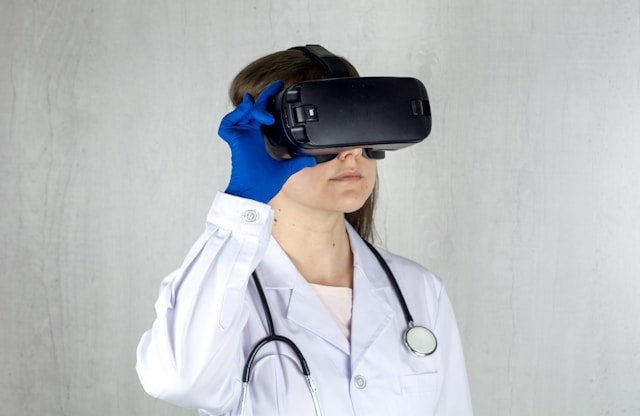
The landscape of technology is advancing at an astonishing pace. From self-driving vehicles to robotic vacuum cleaners, these innovations are transforming our lives. However, it is in the realm of healthcare that technology truly shines, positively affecting both medical professionals and individual health decisions.
Telehealth allows for remote consultations with healthcare providers, while smartphones and smartwatches enable you to keep tabs on your health without leaving home. Gone are the days when “tracking health” meant manually logging your metrics on paper each week; now, monitoring crucial health indicators has never been easier thanks to convenient, wearable technology.
Health and fitness trackers come in various formats—ranging from clip-on gadgets to smartwatches, earbuds, and even fashionable accessories. It’s estimated that around 20% of Americans own at least one such device.
The Role of AI in Enhancing Patient Care
The evolution of Artificial Intelligence (AI) since the early 2010s has been remarkable. We have transitioned from rudimentary virtual assistants to sophisticated conversational AI systems. Today, healthcare innovators leverage AI to accelerate drug development and streamline medical processes beyond the capabilities of human professionals.
For example, Atomwise harnessed AI to combat the Ebola virus, while Google created an AI that outperformed human radiologists by 11.5% in analyzing breast cancer data.
AI empowers individuals to track, assess, and optimize their health in unprecedented ways, offering personalized advice and immediate feedback to help meet health objectives.
Leveraging Technology to Track Health at Home
Smartphones are equipped with applications capable of collecting and displaying health data in an intuitive format. These sophisticated apps can track various metrics, including:
- Daily Steps – Visual graphs illustrate the number of steps you take each day and the distance covered.
- Caloric Burn – Monitor how many calories your body burns throughout the day.
- Distance Traveled – Keep tabs on both walking and running distances, as well as your speed.
- Sleep Patterns – Apps can analyze your sleeping habits, even noting how loudly you may snore.
These features are merely a glimpse of what built-in apps can accomplish. For more comprehensive health tracking, these applications often integrate with wearable technology, including smartwatches that can monitor aspects like heart rate and rhythm.
Making Informed Daily Choices with Technology
Technology offers numerous avenues to enhance our health management. For instance:
- Hydration Tracking Apps – Tools such as WaterMinder, HydroCoach, and My Water help track and manage your fluid intake with features such as reminders and tailored goals.
- Blood Glucose Monitoring Apps – Options like mySugr and Glucose Buddy keep tabs on glucose levels throughout the day. These can be linked with Continuous Glucose Monitors (CGM), providing immediate glucose trends and alerts for individuals managing diabetes.
- Fitness Applications – Platforms such as Nike Training Club, MyFitnessPal, and Fitbod offer guided workouts and performance metrics. They sync with fitness trackers to give insights into your exercise routines.
- Nutrition and Food Tracking Apps – Applications like Cronometer, Lose It!, and Nutrisense help users log meals, count calories, and glean insights for achieving their health goals.
- Sleep Improvement Apps – Tools like Sleep Cycle, Sleeptracker, and Sleep Monitor analyze your sleep quality, providing tips to enhance your sleep environment.
How Technology Enhances Safety and Streamlines Healthcare Workflows
Healthcare practitioners can utilize various digital medical devices to monitor their patients effectively. These devices transmit critical information regarding patients’ conditions, facilitating early intervention and potentially preventing complications.
According to Digital Authority Partners, utilizing big data in healthcare supports patient outcome monitoring, simplifying the identification of conditions that may be difficult to detect without advanced technology. Additionally, this approach can help lower costs for healthcare providers.
Harnessing Data for Better Choices Daily
The technological breakthroughs we see today are just the tip of the iceberg regarding what health data can accomplish. By harnessing the capabilities of technology and AI, we can revolutionize healthcare—from simple handwritten notes to AI-enhanced diagnostics and virtual assistant scheduling that minimizes wait times and improves accessibility.
As individuals utilize health data to monitor their well-being and evolution, they can make more informed daily decisions and adjust their lifestyles. This could be the start of a transformative era in health management, ensuring a bright future that begins right from the comfort of home.