

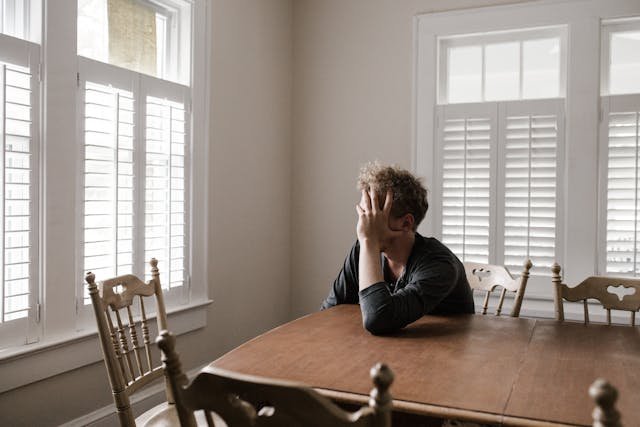
The experience of loneliness often creeps in quietly for many men, manifesting through subtle changes such as diminishing friendships, increased workload, or heightened tension at home. These shifts accumulate, and gradually, the disparity between a man’s internal feelings and external appearances widens. While he may continue to fulfill daily responsibilities, a sense of isolation lurks just below the surface.
This accumulated pressure frequently finds expression through anger. Although anger is commonly viewed as a behavioral issue, for many men it arises from emotional strain. Beneath the surface of irritability or a short temper lies a core of fatigue, disconnection, and the burden of facing challenges alone.
Societal expectations reinforce these dynamics. Men are often conditioned to portray strength, hesitate to burden others with their struggles, and keep emotional turmoil private. The scarcity of safe spaces for emotional expression contributes to growing tension. Practicing mindfulness is a valuable way to recognize internal processes before they manifest as explosive reactions.
Understanding Loneliness
Loneliness does not always equate to physical solitude. Numerous men experience feelings of loneliness within relationships, while parenting, or amongst colleagues. This sense of isolation generally manifests in three primary forms.
Social Isolation
As life becomes increasingly hectic, friendships may start to diminish. Regular meetups that once punctuated schedules often devolve into brief texts or hasty updates. Consequently, a man might find himself surrounded by people but lacking anyone with whom he can truly share his thoughts.
Emotional Isolation
Even when involved in daily activities or obligations, a man may neglect emotional discussions. The fear of seeming vulnerable keeps many feelings tucked away. This can lead individuals to feel invisible even in their closest relationships.
Relationship Tension
A breakdown in communication often leads to emotional distance. While withdrawing from interactions may appear as a coping mechanism, it only deepens the feelings of loneliness. Eventually, this results in a challenging cycle that becomes hard to escape.
The Link Between Loneliness and Anger
Anger often serves as a mask for more vulnerable emotions such as sadness, shame, and feeling overwhelmed, or the belief that one’s contributions go unnoticed.
A man in his forties might react sharply to minor annoyances, masking the deeper pain of an unresolved breakup. His reluctance to share this hurt stems from a fear of being judged.
A young father might display irritability in discussions due to feeling overwhelmed and invisible. Without expressing his sentiments openly, he releases pent-up pressure through frustration.
Mindfulness can empower men to identify these underlying feelings before they escalate to anger.
The Efficacy of Mindfulness
Mindfulness focuses not on emptying the mind but on cultivating awareness. It creates a vital space between feeling and reaction, allowing one to respond thoughtfully rather than impulsively.
- Recognizing early warning signs – Physical symptoms often manifest before anger surfaces, such as tension in the shoulders, rapid breathing, or a tight jaw. Mindfulness aids in acknowledging these early indicators.
- Moderating emotional escalation – Taking a moment to pause can avert needless confrontations. Posing the question, “What do I truly feel in this moment?” can often decrease intensity.
- Reconnecting with core values – Many men prioritize fairness, stability, and dependability. Mindfulness can aid in ensuring actions align with these principles rather than reacting impulsively to stress.
For structured mindfulness training, explore Mindfulness Space.
A Quick Practice: The 3-Breath Reset
- Identify areas of tension.
- Inhale deeply three times, elongating the exhale.
- Decide on a reaction that aligns with the person you aspire to be.
Implementing this exercise daily cultivates resilience for challenging times ahead.
Applying Mindfulness in Daily Situations
In Personal Relationships
A man feels frustration arise during a dialogue about household tasks. Rather than reacting instinctively, he notices his breath becoming shallow. He pauses and takes deep breaths, realizing he feels more overwhelmed than angry, prompting him to communicate this clearly and positively impacting the conversation.
In the Workplace
During a performance review, a man receives critical feedback and feels defensive. With his chest tightening and his mind racing, he pauses to take slow breaths, allowing himself to remain present and absorb the feedback constructively instead of shutting down.
Understanding Male Loneliness
Various elements, including upbringing, societal norms, and workplace culture, contribute to loneliness among men.
Messages advocating toughness and self-reliance often lead men to stifle their emotions. Friendships frequently lean on shared activities rather than deep conversations, which can dwindle as life becomes busier. Work environments often emphasize emotional resilience, making it hard to acknowledge stress. In relationships, the fear of conflict can lead men to withdraw.
These behaviors are learned and are not inherent to men.
Strategies for Reconnection
Reestablish small connections. Consider reaching out to a friend via text or engaging in a new group or hobby. Consistent, small interactions can regenerate social links more effectively than grand gestures.
- Safe emotional environments – Engaging in therapy, participating in men’s support groups, or confiding in a reliable friend can provide safe avenues for emotional expression.
- Challenge existing beliefs – Mindfulness facilitates the examination of limiting thoughts such as “I must deal with this alone” or “I shouldn’t feel this way,” thus promoting emotional wellbeing.
- Explore the roots of anger – Inquiring, “What is my anger shielding?” can deepen self-awareness and lead to calmer responses.
When Professional Help is Needed
While mindfulness is beneficial, certain situations might necessitate additional support. Consider seeking counseling if:
- Your anger is impacting relationships or work.
- You feel consistently disconnected or hopeless.
- You rely on substances to cope with emotions.
- You’ve attempted various strategies with no success.
- You feel uncertain about how to initiate change.
For counseling or coaching, explore Paul Jozsef Counselling & Coaching.
Progressing Ahead
Men grappling with loneliness or anger often carry more than their fair share alone. Mindfulness cultivates the space to respond thoughtfully rather than reactively. With dedicated practice, connections can strengthen, anger can be alleviated, and emotional balance can be achieved.
There’s no need for a flawless strategy—taking the first step is what truly matters.
About the Author
Paul Jozsef is a therapist and mindfulness instructor dedicated to assisting men in navigating their emotional health, relationships, and personal development. Based in Montreal, he combines mindfulness-centered strategies with practical tools to facilitate lasting change through his private practice and Mindfulness Space.