

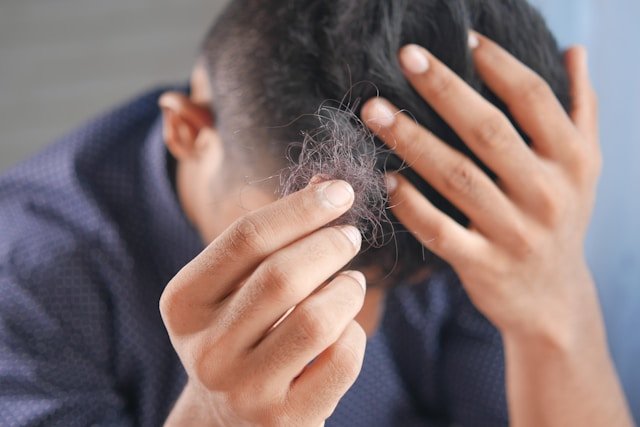
Male androgenetic alopecia (MAA), widely recognized as male pattern baldness, is the leading cause of hair loss among men. This condition typically progresses at varying speeds, impacting the individual’s self-esteem and mental well-being. Consequently, many are on the lookout for effective treatment solutions.
There are three primary treatments available for those experiencing male pattern baldness. The choice of treatment will depend on the desired results. Fortunately, this article provides an overview of these three options.
Aesthetic Solutions
While not the most permanent fix, aesthetic solutions to cover hair loss have gained popularity over the years. Various choices are available, including hairpieces, specific hairstyles, and wigs, which can effectively manage baldness, thinning, or receding hairlines. Though temporary, these methods are favored for their convenience and the quick results they can provide.
Hairpieces and related options are inexpensive and readily obtainable, making them a suitable choice for immediate improvement. Some individuals opt to dye their hair, creating the illusion of a thicker mane. These aesthetic solutions can be combined with hair transplants or medications, which will be described later in this article, especially beneficial for those just starting other treatments.
Hair Transplantation
If a more lasting solution is what you seek, hair transplantation may be the ideal choice. This procedure involves harvesting hair follicles from the back of the scalp and implanting them in balding areas. The transplanted hair is expected to grow naturally without falling out or thinning, allowing for normal hair care practices post-procedure.
The professional community recognizes three primary techniques for hair transplantation. The Physician’s Hair Restoration Center (PHRC) identifies these methods as follicular unit excision (FUE), follicular regeneration micrografting, and follicular unit transplantation (FUT).
Regardless of the technique suggested, it’s crucial to consult a qualified expert. Dr. Carlos Puig, the founder of PHRC, is regarded as a leading specialist, having performed over 20,000 hair transplants throughout his 45+ years in the field. This level of expertise is essential when considering hair transplant options.
Medications
The third available treatment option for male pattern baldness involves medication. Various medications are authorized for this condition, most notably finasteride and minoxidil. Finasteride is a prescription oral drug, while minoxidil can be found in foams, lotions, and other topical forms. Both are primarily aimed at halting or slowing hair loss.
As with any medication, consulting a healthcare professional, such as a dermatologist, before starting treatment is advisable. This consultation is crucial to understand potential side effects associated with these drugs. For example, while generally tolerated, finasteride may lead to a decrease in libido.
In summary, if you are dealing with male pattern baldness, it’s essential to seek advice from professionals. You might start with aesthetic solutions like wigs, but for medications and hair transplants, a medical expert’s guidance is indispensable.