

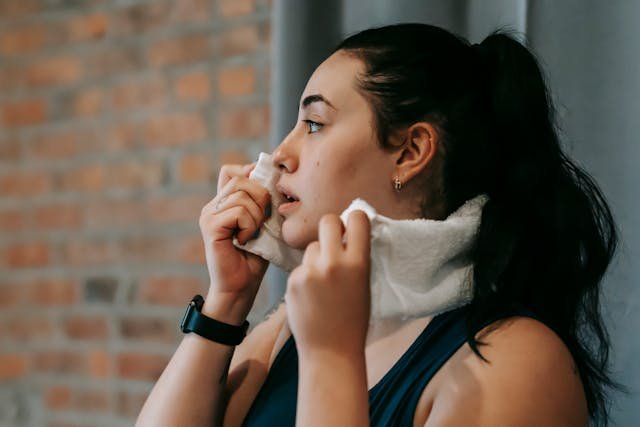
You’re hitting your stride at the gym when suddenly, you realize your clothes are drenched in sweat. Some individuals find that it doesn’t take long for them to start sweating more than their peers. Understanding the factors behind your perspiration during workouts can help you gain insight into your body and regain a sense of control.
The Science Behind Sweating During Exercise
Sweating occurs during physical activity as a natural response for body temperature regulation. Engaging in exercise or being in warm conditions prompts your sweat glands to activate, releasing moisture that evaporates from your skin. This evaporation process cools your body down and is responsible for approximately 22% of total body heat loss while your body naturally regulates its temperature.
Factors That Might Cause Increased Sweating
If you notice that you often seem to sweat more than others around you, it may be due to several reasons. You might simply be participating in more strenuous workouts, leading to a higher body temperature compared to your fellow gym-goers.
Another potential cause could be a condition known as hyperhidrosis, which leads to excessive sweating even when not exerting yourself or in warm conditions. It’s estimated to affect about 5% of the U.S. population and may be linked to undiagnosed illnesses such as endocrine disorders. If you experience excessive sweating with no identifiable cause, consulting a healthcare professional is advisable.
You may also notice increased perspiration if your heart rate escalates. Some medications can induce a rise in heart rate, thus leading to sweating. If you suspect your medication may be influencing your sweating, discuss this with your healthcare provider for personalized insights.
4 Strategies to Manage Excessive Sweating
While sweating is essential for maintaining your body’s temperature, there are strategies to reduce its impact during workouts and beyond.
1. Opt for a Combination Antiperspirant and Deodorant
Not all deodorants are created equal; they serve specific functions. Seek out a product that merges both deodorant and antiperspirant properties. Antiperspirants function by blocking sweat production where applied, while deodorants neutralize odor. If your primary concern is excessive underarm sweating during workouts, this dual-action product may offer noticeable relief.
2. Review Your Medications
If you are on any medications, it’s wise to investigate their side effects, as they could contribute to your sweating. Consulting your physician about alternatives that won’t affect your perspiration can lead to effective solutions.
3. Choose Moisture-Wicking Fabrics
Examine the fabric of your workout attire. If it consists primarily of thick cotton, consider switching to moisture-wicking materials. These fabrics are designed to draw sweat away from the skin to the surface of the garment, keeping you feeling drier and more comfortable during exercise. Nevertheless, do not mistake reduced stickiness for less need for hydration; maintaining fluid intake is vital for optimal brain and muscle function, regardless of how you manage sweat.
4. Seek Medical Advice
If excessive sweating is a concern for you, don’t hesitate to approach your doctor for potential treatment options. Simple interventions such as Botox injections may be effective for managing underarm sweat, depending on where your sweat glands are most active.
Another possible procedure is iontophoresis, where individuals submerge their hands or feet in shallow water while a low electrical current is passed through their skin. This treatment is generally advised for those without metallic implants or pacemakers.
Gain Deeper Insights into Your Body
Experiencing significant sweating during workouts is not unusual. Multiple factors may contribute to your increased perspiration, and various treatments exist to help. Reach out to your healthcare provider to explore your options and discover effective solutions that enhance your comfort and confidence.