

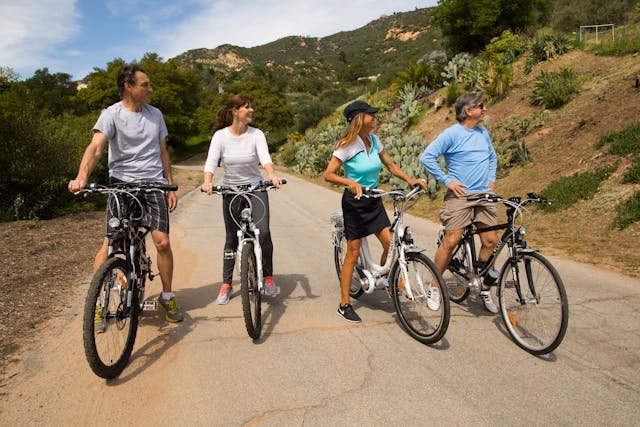
Electric bicycles, commonly referred to as ebikes, have gained significant traction in recent years for various compelling reasons. They offer an energy-efficient, environmentally friendly, and enjoyable mode of transportation. Ebikes help lower the barriers that might deter some individuals from using traditional bicycles while encouraging experienced cyclists to ride longer distances with less fatigue. In addition to providing a practical means of transport, the growth in ebike usage contributes positively to public health, environmental sustainability, and the future of urban development.
Categories of E-Bikes
Although all electric bikes are powered by batteries, different categories cater to specific rider preferences:
Pedal-Assist E-Bikes
These bikes allow riders to pedal normally while integrated motors provide additional speed and power once certain pedaling thresholds or heart rates are achieved, significantly reducing effort, especially on hills. Ideal for both commuting and recreational use.
Throttle-Controlled E-Bikes
These models enable rapid acceleration without the need to pedal, allowing riders to rest while the motor propels them forward. They are particularly suited for those with physical challenges as well as for anyone needing a breather mid-ride.
Speed Pedelecs
Designed for performance, these bikes can reach speeds of up to 28 mph, making them increasingly popular among amateur racers, especially in Europe.
Cargo E-Bikes
These sturdy ebikes come equipped with extended rear racks and baskets for transporting children, pets, shopping, or commercial goods, making them invaluable for busy parents and small businesses.
The flexibility and convenience that ebikes provide make them a wise investment. However, the advantages extend well beyond mere transportation, from improved health outcomes to benefits for the environment.
Advantages of E-Bikes
Ebikes enhance the cycling experience with numerous benefits, including:
Boosted Cardiovascular Fitness
Riding an ebike encourages longer periods of elevated heart rates, leading to enhanced cardiovascular fitness, improved blood circulation, and greater stamina.
Increased Muscle Strength & Endurance
The added power enables frequent pedaling at faster speeds over greater distances, which helps build muscle strength and stamina, especially for those who might struggle with joint pain or limited mobility.
Weight Management & Caloric Expenditure
Research indicates that cycling on an ebike burns over 50% more calories than walking alone. The customizable assist levels mean less fatigue and make achieving fitness goals easier, without overexerting oneself.
Mental Well-Being & Stress Alleviation
Engaging with the outdoors through cycling promotes reduced anxiety and depression while boosting mood through the natural endorphin rush associated with physical activity.
Cost Efficiency & Convenience
Using ebikes instead of cars can save on gas, insurance, parking fees, and the frustrations of congestion, freeing up finances for leisure activities or savings.
Eco-Friendly Transportation Options
Ebikes generate no greenhouse gas emissions, significantly reducing community carbon footprints and contributing to cleaner air. This shift fosters long-term commitments to sustainable transportation.
Greater Inclusivity & Access
Various power assist options accommodate a wider range of fitness levels and age groups, making cycling more accessible compared to traditional, more physically demanding bicycles.
The cumulative benefits of ebikes can significantly enhance the quality of life for individuals and communities alike, creating better mobility solutions integrated into daily transportation.
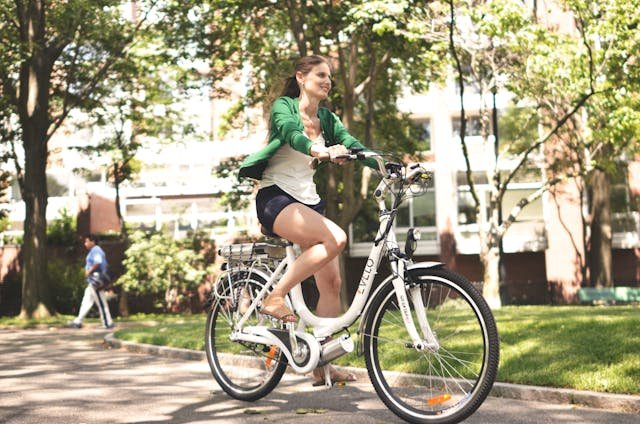
E-Bikes for Commuting
Opting for lightweight electric bicycles over cars is transforming the commuting experience, especially in densely populated urban areas.
Speedy Commuting
In congested city traffic, ebikes can navigate more efficiently, allowing riders to bypass gridlock and swiftly maneuver through narrow roads that would challenge cars.
Public Transport Integration
Many public transport systems permit passengers to bring ebikes onboard, providing a seamless way to connect from suburbs to city centers while avoiding parking challenges.
Healthier Commuting Options
Cardiovascular specialists advocate for substituting driving with cycling, as regular bicycle commuting can significantly lower risks related to hypertension and other health issues, as supported by extensive research.
Safety Guidelines for E-Bike Riders
Adhering to basic safety practices is essential for protecting both the rider and the bike:
Use Protective Gear
Wearing bright, reflective clothing along with protective pads and utilizing lights can greatly enhance visibility, offering vital safety compared to the protection cars provide.
Utilize Designated Bike Routes
Abide by traffic rules by sticking to marked bike lanes and bike-friendly trails, and avoid areas with heavy vehicle traffic where the risk of accidents is higher.
Keep Up with Maintenance
Regularly check tire pressure, lubricate chains, inspect belts, and ensure brake components are in working order, just as one would for any other motorized vehicle.
Practice Defensive Riding
Always anticipate that drivers might not see you; signal your intentions clearly, avoid sudden moves, and be cautious when passing to minimize the risk of accidents.
E-Bikes and Their Environmental Impact
Apart from individual benefits, the widespread adoption of ebikes contributes to environmental improvement through:
Reduced Carbon Footprints for Communities
By replacing half of car trips with electric bikes, American suburbs could eliminate over 40 million tons of CO2 emissions annually, contributing to climate mitigation efforts.
Infrastructure for Sustainable Mobility
Developing bike-friendly infrastructure encourages residents to adopt greener commuting habits and promotes denser urban planning that prioritizes walkability and cycling.
Encouraging Green Commuting Culture
The successful integration of ebikes encourages a shift toward environmentally friendly commuting options without needing to enforce harsh restrictions on vehicle use.
The multiple benefits of sustainable transport systems enrich communities in ways that may not be immediately apparent. When searching for “electric bike stores near me,” exploring options helps ensure you choose the best ebike for your needs.

Maintenance and Upkeep for E-Bikes
Preserve the functionality of your investment through regular maintenance practices like:
Battery Care
It’s best to charge the battery fully rather than opting for quick, partial charges. Store the bike indoors to avoid temperature extremes that could diminish battery performance.
Regular Cleaning
Gently clean the bike frame and chain with mild cleaners, avoiding high-pressure washing to prevent water damage to components. Regular lubrication of the drivetrain also helps extend the life of the bike.
Tire Pressure Checks
Incorrect tire inflation can lead to excessive wear; ensure tires are inflated to the specifications noted on the sidewalls for optimal performance and safety.
Brake Pad Maintenance
Inspect brake pads at least twice a year for wear, replacing them as needed to avoid damaging rotors and to ensure safe braking efficiency.
The Future of E-Bikes
Future advancements in electric bicycles will likely include:
Technological Innovations
Enhancements in durability, power, and microprocessor integration promise to continue evolving bike design for greater efficiency and control, thereby attracting more users.
Growing Popularity
As more individuals witness the joy and benefits experienced by early adopters, ebikes become more mainstream, increasing familiarity and acceptance within communities.
Shifts in Urban Development Focus
Recognizing the importance of reducing emissions, urban planners are prioritizing bike infrastructure and promoting residential development that encourages non-motorized transport systems.
With predictions suggesting that the e-bike market could reach $70 billion by 2030, it is clear that cities can readily implement human-centered commuting projects that prioritize cycling and ebikes.
Conclusion
Ebikes offer an array of benefits tied to health, environmental sustainability, and practical utility, reinforcing their role in fostering better urban planning in the long term. Their unique advantages can enhance fitness and accessibility, welcoming diverse demographic participation in healthy, active lifestyles. By choosing the right ebike through local specialty stores, individuals can optimize their riding experience and enjoy the full range of advantages these electrified bicycles have to offer.