

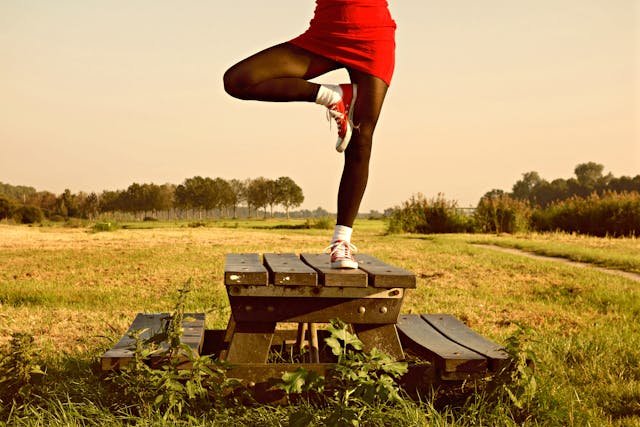
Proprioception, frequently referred to as the “sixth sense,” is vital for everyday movements and athletic endeavors, enabling individuals to perceive the position and motion of their muscles and limbs without relying on sight. This bodily awareness is essential for maintaining stability and coordinating intricate movements. As a core element of human movement, proprioception can be improved through targeted exercises aimed at challenging both the body and the mind-muscle connection, resulting in enhanced balance and coordination.
Incorporating proprioceptive exercises into a daily regimen can greatly benefit athletes, dancers, or anyone interested in refining their body control and stability. These exercises typically involve movements that demand concentration, awareness of the body, and controlled adaptations, such as balancing on unstable surfaces or engaging in dynamic motions that reflect daily activities. The proprioceptive activities guide from Soundsory provides structured strategies to enhance proprioception across various contexts, including developmental programs for children. Please note that this information is intended for informational purposes only, and for more comprehensive guidance, consulting a healthcare professional is advisable.
Key Takeaways
- Proprioception is crucial for balance and coordination.
- Exercise can improve the connection between mind and muscle, enhancing body control.
- Structured activities facilitate the development of proprioceptive skills.
Exploring Proprioception and Its Influence on Balance and Coordination
Proprioception, often called the “sixth sense,” is integral to movement, balance, and coordination. It entails the intricate interaction between the nervous system and specialized receptors in muscles and joints.
The Mechanisms of Proprioception
Proprioception allows the body to sense its movements, actions, and positioning without visual input. This internal awareness is facilitated by proprioceptors located within connective tissues of joints and muscles. These receptors transmit signals via the nervous system to the brain, aiding individuals in understanding the spatial location of their limbs. This feedback mechanism is vital for executing precise movements and maintaining posture.
The Significance of Balance and Coordination
Balance and coordination are essential for executing everyday tasks and minimizing fall risks. The vestibular system, which comprises components in the inner ear and brain, plays a key role in maintaining balance by detecting changes in head position and movement. Together with proprioceptive and visual inputs, it allows individuals to sustain equilibrium during complex motions. An efficient proprioceptive system enhances coordination, enabling quick responses to environmental changes.
Impact of Aging on Proprioception and Balance
Proprioception effectiveness often declines with age, which can pose difficulties in balance and coordination, increasing the likelihood of fall-related injuries. Engaging in specific exercises, particularly those that enhance balance and kinesthetic awareness, can significantly bolster proprioceptive abilities. Regular proprioceptive training can help offset age-related deterioration in the musculoskeletal and nervous systems, fostering improved balance and coordination in seniors.
Proprioception Exercises for Improved Stability and Performance
Exercises aimed at enhancing proprioception are designed to bolster balance, coordination, and an individual’s ability to sense bodily positioning. These activities not only assist in injury prevention but also elevate athletic performance by focusing on the muscle groups and nervous system that govern spatial awareness.
Balance Training
Improving balance entails engaging in both static and dynamic exercises. A primary exercise is the single-leg stance, where one maintains stability on one leg for a predetermined period. Progressions can include yoga poses like the tree pose, which introduces new limb positioning challenges. For athletes or those aiming to enhance functional fitness, utilizing a balance board can replicate real-world balance scenarios.
Strength and Flexibility Training
Effective proprioceptive function hinges on strong muscles and flexible joints. Incorporating exercises like squats develops strength in the leg muscles around the knees, improving stability. Combining strength workouts with flexibility exercises, such as Tai Chi, can foster joint mobility and diminish the risk of falls and sprains. Physical therapists often suggest the bird dog exercise to engage core muscles while focusing on stability and coordination.
Dynamic Movements to Enhance Coordination
Edit dynamic and sport-relevant movements enhance proprioceptive capabilities across various motion ranges. Athletes often engage in drills that reflect the demands of their particular sports, including speed changes, directional shifts, and uneven surfaces. For general fitness, activities like hopping, skipping, or agility ladder drills challenge the body’s coordination and responsiveness to different stimuli. Developing such abilities can be especially advantageous in injury rehabilitation or to counteract the effects of aging on activity and stability.
Conclusion
Incorporating proprioception exercises into routine fitness practices can yield marked improvements in balance and coordination. These movements enhance bodily awareness, helping to minimize injury risks. By practicing techniques like single-leg stances and utilizing balance tools, individuals can significantly refine their proprioceptive senses. It is beneficial to include a variety of these exercises to effectively challenge and develop the body’s sense of positioning and movement.