

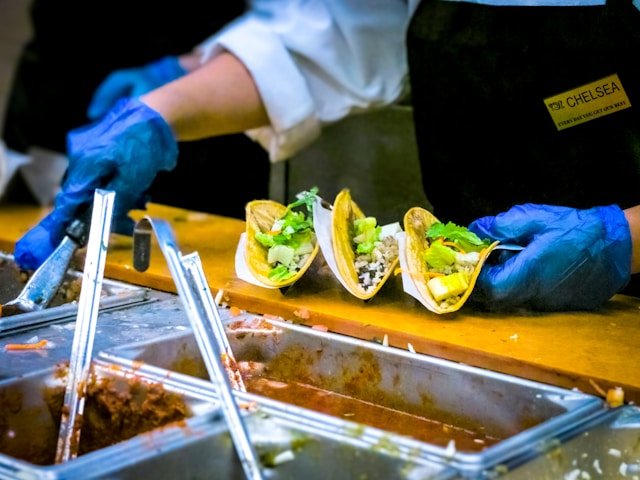
Maintaining exemplary standards in food hygiene is crucial, as any lapse in this area can lead to over 200 different health issues, ranging from minor ailments like diarrhea to serious concerns such as viral infections and even cancer risks. Our mission is to enhance the community’s awareness of the critical importance of food hygiene practices.
By creating a culture of awareness, we can more effectively prevent, identify, and combat the transmission and effects of foodborne pathogens. To assist you in safeguarding the quality and safety of your meals, we are excited to present five straightforward food safety strategies:
Cleanliness
Regularly ensure that food preparation surfaces and cooking appliances are kept spotless. Use appropriate food sanitizers or clean water to wash fruits and vegetables. It is crucial to wash hands with warm, soapy water for at least 20 seconds, especially after handling food items.
Utilize hot water to disinfect chopping boards, plates, utensils, and kitchen counters after handling different types of food. When cleaning produce, gently rinse it while avoiding rinsing raw meats, poultry, fish, or eggs, as this could spread bacteria through sink water droplets. Always sanitize the tops of canned goods before opening them.
Proper Management, Storage, and Transportation
Implement food safety protocols during the handling, storage, and transportation of food. This is relevant for both receiving deliveries and distributing products to consumers. It’s important to accurately weigh food items as well.
Some foods pose higher risks than others, particularly cooked rice or raw fish dishes. During these critical processes, various factors must be closely managed to prevent food contamination. These factors include:
- Maintaining the correct temperature, humidity, and cleanliness at operational sites, within vehicles, and in containers;
- Incorporating safety and risk management strategies during food packaging;
- Using digital tools for organizing, tracking, and controlling logistics.
The FDA has released guidance on the Sanitary Transportation of Food that is applicable across all sectors of the food industry. This resource provides a thorough overview of best practices for establishing controls to mitigate food safety risks during transportation.
Keep Raw and Cooked Food Apart
To ensure food safety, store raw meats distinctly from “ready-to-eat” foods such as fruits, vegetables, and pre-cooked meats. This separation is vital to prevent any possibility of bacterial contamination that cooking would typically eliminate.
Cooking raw foods effectively kills harmful bacteria. However, if these raw products come into contact with ready-to-eat foods, the bacteria can survive, posing health risks.
Defrosting, Freezing, and Refreezing
Keeping frozen meats and fish safe is simple, but it’s vital to freeze these items before their expiration dates to ensure optimal safety. Properly packaging raw meats and fish in freezer-safe bags or wrapping helps prevent freezer burn, retaining their quality and safety.
When cooking, ensure that meat and fish are thoroughly thawed. An efficient method is to contain any liquid released during thawing in a dish to prevent potential bacteria in the liquid from contaminating other items in your refrigerator.
Avoid re-freezing raw meats or fish once they’ve been thawed. These items should be cooked and consumed promptly after thawing. However, cooked meats can be re-frozen if they were cooled properly before being placed back in the freezer.
Manage Your Waste
Regular inspections of your inventory should be conducted to prevent outdated food from lingering in your kitchen, as it poses health hazards. Always keep waste separate from food by using a covered bin to deter pests and reduce food-related risks.
Conclusion
In conclusion, food safety is critical not only for enhancing health and securing food supplies but also for supporting livelihoods, promoting economic growth, facilitating trade, and improving the international standing of countries.