

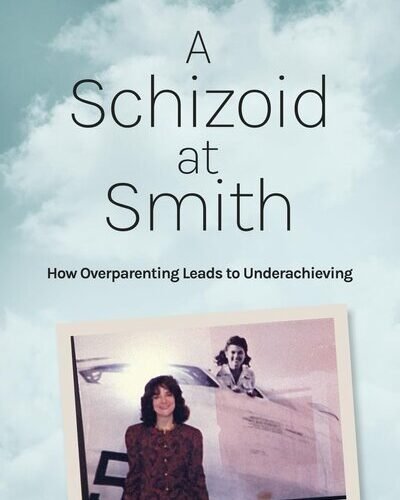
A review of Schizoid at Smith: How Overparenting Leads to Underachieving by Blair Sorrel.
Blair Sorrel’s memoir emerges as both an eye-opening exploration and a cautionary tale. In A Schizoid at Smith, she candidly shares her experiences living with schizoid personality disorder, a condition that often goes unaddressed, rendering its sufferers largely unnoticed in society. What sets this narrative apart from typical memoirs is Sorrel’s readiness to depict not her victories but her enduring struggles; she focuses on not reaching her potential despite being a student at the esteemed Smith College. The literary quality of her writing elevates her narrative from what might be dismissed as a clinical account to a profound exploration of loneliness, misunderstanding, and the path to self-awareness.
One of the most striking elements of the book delves into the origins of Sorrel’s condition, traced back to the extreme overparenting she endured. Her mother, a WAAC nurse during WWII, enforced strict, military-like regulations on daily life, which included meticulous hygiene practices, inflexible social expectations, and a scarcity of emotional warmth. This left young Blair ill-equipped for meaningful interpersonal relationships. Sorrel deftly reveals the detrimental impact of excessive parental control, regardless of its good intentions, on a child’s ability to engage socially in a typical manner. Early chapters resonate with psychological tension, as readers witness the gradual dismantling of a sensitive child’s healthy development at the hands of her caregiver.
This memoir holds particular significance due to its rarity. Schizoid personality disorder primarily affects men and those afflicted rarely pursue help, making Sorrel’s choice to “come out of the cupboard” a testament to her courage. She sheds light on the challenging internal landscape of emotional detachment, the relentless struggle to sustain employment, and the deep-seated loneliness of observing others’ lives unfold. Her diagnosis by clinician Selma Landisberg in 1988 marks a pivotal change, not towards a cure, but towards comprehension. Clinical terms such as “desire for solitude, difficulty in emotional expression, and job retention issues” suddenly provide clarity to years of perplexing difficulties.
Sorrel’s writing is infused with exceptional self-insight and literary finesse; she employs rich imagery and cultural references that elevate her account beyond confession. Her reflections on the 1960s-70s era at Smith College, societal expectations for educated women, and the dissonance between hope and reality resonate on multiple levels. The stark contrast between her prestigious Smith background and her eventual experience of “marginal subsistence” serves as a poignant reflection on the impartiality of mental illness to privilege and promise. Her narrative carries both humor and emotional depth, skillfully avoiding self-pity while acknowledging profound hardships.
This memoir resonates with various audiences: those grappling with their own social withdrawal, therapists aiming to grasp this elusive disorder, families dealing with the ramifications of overparenting, and anyone intrigued by the intricate dynamics between parenting and mental health. Sorrel successfully shines a light on a little-known condition, offering hope that while recovery may be elusive, understanding is achievable. A Schizoid at Smith stands as a significant contribution to mental illness literature, notable for its transparency, lucidity, and ultimately, a message of human resilience against unseen challenges.