
Each January, we find ourselves inundated with messages urging us to make drastic changes—quit certain habits, shed extra pounds, get fit, and adopt the cliché ‘new year, new you’ attitude. The pressure to transform into the best version of ourselves is overwhelming, especially when the goals proposed often seem unrealistic and require us to abandon our favorite things. January already presents its own challenges, from recovering from the festive period to dealing with gloomy, cold days and not to mention our depleted bank accounts. So personally, I’ve decided to take a different approach this year. I want to set intentions for 2024 that are practical, inspiring, achievable, and ultimately don’t leave me feeling defeated.
If it’s not obvious, I’m not particularly fond of new year’s resolutions. Nonetheless, I understand the allure of reflecting on life as a new year begins (though I believe self-reflection shouldn’t just be confined to January; it should happen at the start of each season). However, I don’t think we should be excessively hard on ourselves. Hence, I want to discuss the idea of setting intentions as a more positive and nurturing alternative to conventional resolutions.
How To Set Intentions And Stick To Them!
First, let’s examine the language we use because it significantly shapes our mindset. Resolutions suggest fixing a flaw or addressing a problem, which carries a negative implication. By framing our goals this way, we start off feeling inadequate. In contrast, intentions bring a positive vibe: “I plan to do this to achieve that.” This language encourages growth instead of focusing on what’s wrong.
This year, more than years past, I feel an urge to establish a routine and set clear intentions for January. I’m not advocating for a rigid ‘Dry January’ or the usual pressure of a gym membership; rather, I want to sit down and genuinely reflect on what I wish to achieve in 2024—identifying activities that bring me joy, ignite my passions, and truly make me feel alive.
It’s easy to come up with excuses, right? Life is filled with unavoidable tasks like work, family responsibilities, and household chores, which can easily push self-care and exercise to the back burner. I’ve neglected strength training, which used to be a regular part of my routine, and I can hardly remember the last time I picked up weights—or even did a sit-up, for that matter. Interestingly, I’ve retained my commitment to running, which conveniently doubles as dog walking, thus making it non-negotiable. Isn’t it curious how women tend to prioritize others over themselves, regarding personal self-care as lesser and less important?
However, we must acknowledge our own significance. It’s critical to carve out time for pursuits that bring us happiness and to foster an environment that teaches those around us—our children, partners, and loved ones—to value their own well-being.
To assist in formulating your intentions for 2024, I’m excited to share ten lessons that have helped me clarify my own goals, empowering me along the way.
1. Track Your Movement
For a significant period, I resisted using a smartwatch, preferring to run without tracking my progress. My hesitation stemmed from the fact that I often compared my performance to others and ended up feeling inadequate. So, what prompted my change? A realization struck—a simple yet profound one. I could track my own activities privately without comparing myself to anyone else. Although it’s not groundbreaking, it was an enlightening moment for me. Now, I’ve been using a smartwatch for about three weeks, and it’s a game-changer. It records my runs and walks, counts steps, tracks heart rates, monitors stress levels, and evaluates sleep patterns. This device seems to have me all figured out. Most importantly, it helps me maintain consistency, understand my progress, and offers insight into days when I may not be performing my best. It lets me adjust my activities accordingly, ensuring I listen to my body’s needs.
Tracking my movement has kept me consistent and helped me understand what my body requires. This awareness has allowed me to uphold my intentions instinctively, facilitated by the smartwatch’s insights.

2. Ignore The Gym Membership Offers
This viewpoint may spark controversy, especially as January brings gym membership promotions urging everyone to get fit. However, I ask: why invest in a gym membership when there are plenty of free ways to exercise at home or outdoors?
Gyms can feel overwhelming, particularly in January when they tend to be overcrowded, making it difficult to access equipment. Bright lights, noise, and mirrors everywhere aren’t exactly my ideal environment. Instead, I’d rather invest in a few essential pieces of home fitness equipment—think adjustable dumbbells, an exercise mat, or resistance bands. This approach is more cost-effective and allows you to work out on your own terms without worrying about travel time or scheduling around gym hours.
By setting intentions around movement that’s self-directed and free from external constraints, you’re more likely to remain consistent and enjoy the process without added stress.
3. Be Realistic
Many resolutions falter due to overly ambitious targets. By setting intentions, you have the flexibility to tone down expectations. Start by assessing your current fitness level, considering whether you’ve exercised recently or if this is all new territory for you. It’s best to begin gradually to make your goals more reachable and avoid injury. Instead of vowing to have a six-pack by summer, consider setting an intention to incorporate more movement into your routine.
Equally important is recognizing how much time you realistically have. If you’re not a morning person, don’t force yourself into morning workouts. Get creative with your timing, whether it’s incorporating a walk during lunch or exercising after dropping the kids off at school. Ensuring that your intentions fit seamlessly into your life can improve your chances of sticking with them. Start by committing to small, simple intentions each week, such as, “This week, I plan to increase my physical activity.”.

4. Figure Out Your Drive
Understanding what motivates you is essential when identifying your intentions. Some may thrive on competition and find progress by comparing performance with peers. Others are inspired by upcoming events, while some are motivated purely by the energy boost that exercise provides.
This year, I’ve resolved to prioritize strength training in preparation for a personal challenge later in the year. Previously, I may have set this as a rigid resolution and pushed myself too hard, leading to burnout that overshadowed my achievements. This time, I’m adopting a more intuitive approach. For instance, I had strength training scheduled today, but life got busy and I opted to listen to my body instead, allowing for flexibility. There’s no guilt in postponing my training; I know that the intention remains intact, and I’ll get to it when the time is right.
5. Do It For You
When establishing your intentions, they should primarily serve you—not anyone else. It’s easy to be swayed by social media influencers promoting the latest fitness trends. While their insights can be informative, your journeys are uniquely yours.
Just because someone else is achieving rapid progress doesn’t indicate your own path is any less valid. Your intentions should reflect your unique aspirations, rhythm, and personal values. Don’t let the pressure of January compel you into goals that don’t resonate with you. The timing has to feel right; trust your instincts.
6. Make Life Easy For Yourself
Embracing simplicity can significantly ease your journey towards achieving your intentions. While I believe in putting in hard work, it’s wise to explore ways to make your fitness objectives more manageable.
Consider these tips:
- Prepare Your Clothes – Planning an early morning run? Check the forecast and lay out your gear the night before. Heading to the gym? Have your bag packed and ready to go. Providing visual prompts can encourage you to take action.
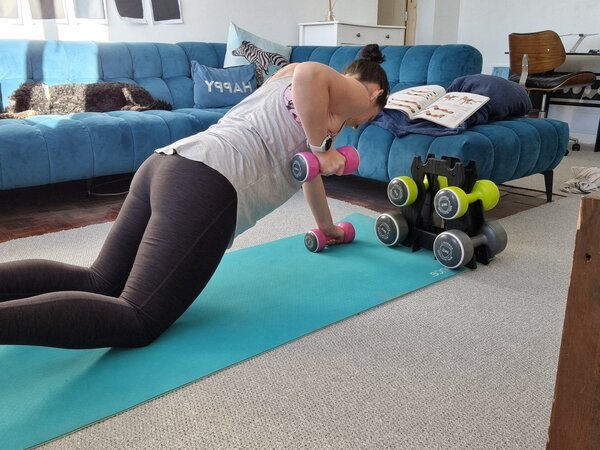
- Set Up Your Workout Space – If you intend to exercise at home, lay out your mat and equipment ahead of time, creating a ready-to-go workout environment.
- Have a Workout Plan – While spontaneity can be beneficial, a bit of structure never hurts. Determine in advance which types of exercise you want to incorporate during the week and find times that allow for flexibility.
- Find an Accountability Partner – Teaming up with someone for accountability can boost your motivation. Knowing a friend is counting on you can make it more challenging to skip that workout.
7. Planning Is Key
I thrive on organization, relying on list-making to keep me focused. From daily to-do lists to exercise plans, having a strategy in place sets me up for success. A solid plan can be crucial when you’re prone to procrastination.
Think about your goals for the coming months and identify potential obstacles. If you’re headed on vacation, don’t beat yourself up if it interferes with your exercise routine—be realistic and kinder to yourself. Remember, setting intentions should bring joy and improvement to your life rather than stress.

8. Rest
We must never undervalue the significance of rest days. My smartwatch has highlighted just how critical recovery is for performance; without it, we risk injury and burnout, preventing us from reaching our goals. When we set intentions, particularly fitness ones, it’s perfectly valid to intend to prioritize rest as much as it is to engage in activity.
Restful sleep is equally crucial. If you have trouble achieving quality rest, perhaps focus on intentions that support better sleep, like reducing screen time before bed or moderating caffeine intake. Feeling well-rested fosters energy and readiness, making it easier to pursue your goals.
9. Make It Fun
Engaging in enjoyable activities is essential. Forcing yourself into workouts you dislike will lead to resentment. If you detest early morning yoga or running in the rain, it’ll always feel like a chore.
When you set intentions around movement, remember that ‘movement’ can take many forms. Beyond traditional workouts, it can include gardening, dancing, or simply enjoying a walk. Find ways to make your activity enjoyable and something that genuinely brings joy. In fact, here’s an intention for you: “This year, I intend to have more fun!”

10. Failure Is Success
Failure often carries negative connotations, yet it’s a stepping stone toward success. Albert Einstein wisely said, “Failure is success in progress,” and this perspective resonates deeply. Through our missteps, we learn to adapt and grow, ultimately leading to greater success.
Setting intentions means acknowledging that you won’t be rigid or dogmatic with yourself; they are meant to be flexible. For instance, committing to walk more each day doesn’t set a stringent target. You can simply aim to integrate more steps into your day, whether it’s a stroll to the store or a weekend hike. And if you don’t achieve it one week, it’s perfectly okay. Learn from it, understand what barriers you faced, and figure out how to approach it differently next week. This mindset nurtures personal growth and resilience.
Final Thoughts
Taking time to set intentions is a valuable and fulfilling exercise. Reflect on what you hope to accomplish in the upcoming year, starting with “This year I intend to…” and listing out your goals. If you prefer a visual approach, consider crafting a vision board with magazine clippings, personal photos, or your own artwork that embodies your intentions.
Here are a few of my own intentions to inspire you:
This year I intend to…
- Step outside my comfort zone and face my fears.
- Believe more in my abilities.
- Reduce comparisons with others.
- Trust in my body’s capabilities.
- Write for pleasure, not just for work.
- Maintain my sobriety.
- Embrace my creativity and prioritize action over perfection.
- Seize spontaneous fun moments.
- Exercise for joy, not obligation, knowing that all movement is beneficial.
- Deepen my knowledge about my passions—language, nature, walking.
- Make time for reading.
The list can extend further, but the key difference between intentions and resolutions is that I won’t stress over them. They aren’t strictly defined and don’t come with penalties for non-compliance. Rather, they exist as gentle reminders of what I care to pursue. They are simply intentions, open to evolution and adaptation throughout the year.