

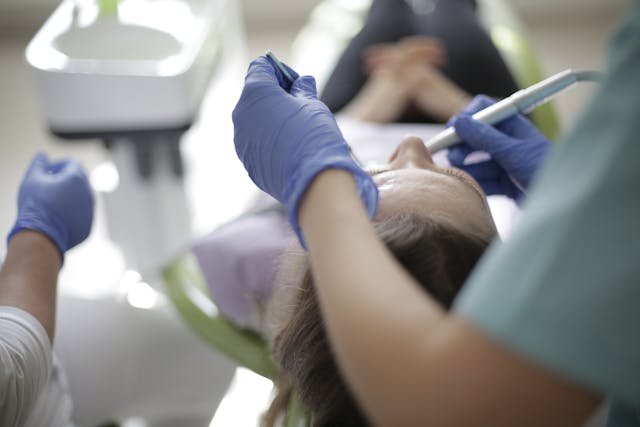
Achieving a perfectly aligned and healthy smile significantly enhances overall dental aesthetics, functionality in chewing, self-esteem, and lasting oral health. Orthodontic treatments utilize personalized and gentle pressure to gradually reposition teeth, effectively addressing issues like spacing, protrusion, and bite alignment. For further insights into orthodontics, continue reading:
Understanding the Role of an Orthodontist
Orthodontists complete additional specialized training beyond their general dentistry education, focusing specifically on diagnosing and remedying misalignment of teeth and jaws. Their key responsibilities encompass:
- Comprehensive Evaluations and Diagnoses: Utilize x-rays, photographs, dental impressions, and visual assessments to identify bite and alignment discrepancies tailored to individual patient needs.
- Treatment Planning: Develop detailed mechanotherapy plans that define the optimal rate and direction for moving each tooth to correct structural issues identified during examinations.
- Placement and Adjustment of Appliances: Apply fixed braces or fit removable clear aligners through calibrated pressure against teeth, coupled with regular appointments to adjust wires or trays and guide tooth movement.
- Monitoring Progress: Regularly check tooth movement consistency with the initial treatment plan through comparative x-rays and bite evaluations during adjustment visits.
- Retention Measures: After treatment completion, provide retainers to help maintain teeth in their new positions until jaws and supporting tissues fully stabilize.
Frequent Orthodontic Concerns
Various dental irregularities can benefit from targeted orthodontic interventions, including:
- Crowding: Limited space in dental arches results in twisted and overlapping teeth, correctable by spacing adjustments.
- Spacing Issues: Gaps between teeth can compromise aesthetic appeal and long-term structural integrity. Closing these spaces aligns bites, enhancing durability and force distribution.
- Overbites: When upper front teeth excessively overlap lower teeth, it can disrupt proper bite functionality, necessitating careful vertical adjustment.
- Underbites: When lower teeth protrude beyond upper teeth, smooth jaw movement is affected, requiring intentional repositioning.
- Crossbites: This condition arises when upper and lower teeth misalign, affecting their biting surfaces. Strategic adjustments can rectify this misalignment.
- Open Bites: A gap between upper and lower teeth when back teeth come into contact can hinder effective chewing and articulation, needing correction through closure.
Advantages of Orthodontic Treatment
In addition to enhancing smiles, orthodontics provides several benefits:
- Enhanced Oral Health: Properly aligned teeth are easier to clean and less prone to decay compared to misaligned teeth that trap food debris.
- Improved Chewing and Speech: Correcting positional flaws optimizes biting mechanics essential for chewing and clear speech.
- Boosted Self-Confidence: Refining smile aesthetics improves self-esteem, positively impacting social interactions and professional engagements.
- Long-Term Dental Health: With uniform support from well-aligned teeth, stress on individual teeth is reduced, minimizing the risk of damage and extending oral health lifespan.
Varieties of Orthodontic Appliances
Orthodontic appliances work by applying specific pressures to align teeth effectively:
- Braces: Fixed brackets adhered to teeth surfaces use archwires to exert light forces gradually shifting teeth into place, providing precise control during treatment.
- Clear Aligners: These BPA-free plastic trays fit snugly over teeth and are changed weekly, facilitating gradual movement through a series of sequenced adjustments.
- Retainers: Removable plastic appliances are designed to keep teeth in position after braces or aligners, ensuring stability until soft tissues confirm the permanence of the new arrangement.
The Orthodontic Treatment Journey
The general sequence for orthodontic correction involves:
- Initial Consultation: The orthodontist conducts an evaluation based on patient-reported issues, photographic records, and x-ray analysis to assess treatment goals. Collaborating with a qualified orthodontist can yield a personalized treatment plan.
- Diagnostic Records Collection: Detailed imaging and impressions are taken to analyze anatomical specifics, informing the final treatment strategy while directing the necessary force for each tooth.
- Treatment Strategy Formulation: The choice of appliance—whether braces or aligners—is determined, establishing a roadmap for tooth movement to address identified irregularities.
- Placement of Appliances: Braces are affixed, or aligners are provided along with usage guidelines to monitor progress at regular adjustment sessions.
- Consistent Adjustments: New wires or aligners are introduced in subsequent visits to facilitate ongoing tooth shifts through controlled incremental forces.
- Ongoing Progress Evaluation: Each visit includes checks of tooth movement against established plans to ensure the desired adjustments align with treatment objectives.
- Retention Phase: After achieving alignment, retainers are applied to maintain positions, preventing unwanted shifts until bone density stabilizes.
Selecting an Appropriate Orthodontist
Choosing a qualified and experienced orthodontist is critical for a successful treatment experience:
- Credentials and Experience: Look for orthodontic specialists with formal accreditation and a history of successful cases to ensure proficient decision-making.
- Diverse Treatment Options: A range of solutions like various clear aligner systems, acceleration tools, and lingual braces can better accommodate individual patient needs and budgets.
- Technology and Facilities: Utilization of digital tools, advanced imaging, and in-house labs speeds up diagnostics, planning, and appliance manufacturing, enhancing overall treatment efficiency.
- Emphasis on Patient Care: A compassionate approach ensures a comfortable experience, as specialists prioritize patient concerns with clear communication and tailored attention.
- Accessibility: Convenient office locations allow for easy consultations and timely interventions, minimizing disruptions in care.
Life Post-Orthodontic Treatment
While achieving a straight smile is gratifying, maintaining these results requires diligent care:
- Retainer Use: Orthodontists recommend wearables to stabilize teeth, often after completing treatment, allowing bone and gum tissues to securely adapt to the new position.
- Maintaining Oral Hygiene: Brushing and flossing are crucial, as newly aligned teeth may be more susceptible to decay until bone structure solidifies. Regular dental cleanings help monitor oral health.
- Follow-Up Appointments: Regular check-ups ensure teeth remain correctly aligned, allowing for early intervention in case minor shifts occur that could lead to significant misalignments.
For exceptional patient support and beautiful smile enhancements, consider scheduling a complimentary consultation with the team at RI Orthodontist, who remain dedicated to convenience.
Innovation in Orthodontics
Technological advancements continue to enhance treatment capabilities:
- 3D Impressions: Enhanced accuracy in capturing tooth anatomy eliminates the need for traditional impressions, enabling precise customization of appliances.
- 3D Printing: Computer modeling expedites the production of dental devices and aligners, promoting efficiency in treatment progression.
- Virtual Treatment Planning: Simulated future outcomes allow orthodontists and patients to visualize expected changes, increasing confidence in appliance options.
- Remote Monitoring Tools: Mobile applications provide orthodontists with the means to track patients’ progress remotely, facilitating timely interventions and maintaining momentum in treatment.
Exploring Alternatives to Traditional Orthodontics
Beyond conventional braces and aligners, numerous expandable options exist:
- Palatal Expanders: Devices designed to widen the upper palate systematically help in managing severe crowding, minimizing the need for invasive surgical interventions later.
- Headgear: External appliances provide directional forces to align jaw growth more favorably during developmental stages.
- Surgical Orthodontics: For extreme cases, sequential orthodontic adjustments may precede surgical alterations to the jawline, ensuring optimal balance and aesthetics.
- Guidance for Jaw Growth: Early interventions in young patients leverage their bone flexibility, addressing underdevelopment effectively and reducing lifelong imbalances.
- Avoiding Tooth Extractions: Recent approaches emphasize utilizing available space for tooth alignment rather than extracting molars, benefitting patients long-term.
Orthodontics and Overall Health
Improving alignment of teeth not only enhances confidence and function but can also remedy a range of health concerns:
- Sleep Apnea: Misaligned bites can obstruct airways, leading to sleep disturbances that orthodontic correction can alleviate by restoring proper jaw alignment.
- TMD Disorders: Alleviating strain on muscles and joints through orthodontic treatment reduces discomfort associated with temporomandibular dysfunction.
- Digestive Function: Proper alignment enhances chewing efficiency, facilitating better food breakdown and aiding overall digestion.
- Speech Development: Correct alignment supports the accurate formation of sounds, benefiting language acquisition and communication skills.
Conclusion
Investing in orthodontic care is a valuable choice for anyone looking to enhance their smile or address functional issues stemming from misaligned teeth. With advancements in technology, treatments are now more accessible and effective, offering opportunities for meaningful improvements in both aesthetic and health outcomes. Reach out to a local orthodontist for personalized solutions that encourage brighter smiles and enhanced quality of life.