

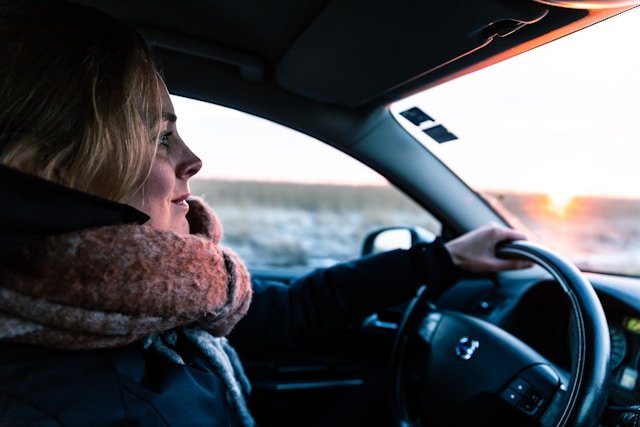
While winter transforms our surroundings into a stunning landscape, it also presents hazardous driving conditions. From nearly impervious ice to substantial snowfall, every journey can challenge your driving abilities.
In order to ensure the safety of yourself and your passengers, preparation is key. Implement these guidelines to navigate winter conditions with confidence.
Step 1: Complete Essential Vehicle Maintenance
Just as you wouldn’t prepare for a marathon without the right footwear, you shouldn’t hit the road in winter without adequately preparing your vehicle. Follow these maintenance tips to ensure your car is fit for the severe winter weather.
Enhance Your Visibility
Winter often brings reduced visibility due to snow accumulation and heavy snowfall. The longer nights and shorter days result in increased driving in dim light. Consider these approaches to improve your visibility:
- Ensure your headlights, taillights, and brake lights are functioning properly and kept clean.
- Verify that your high beams illuminate at least 350 feet ahead and your low beams reach a minimum of 200 feet.
- Replace old wiper blades and use winter-grade washer fluid that won’t freeze.
- Clear snow or ice from your entire vehicle to prevent it from flying off and obstructing the view of drivers behind you.
Evaluate Your Battery and Electrical System
Your car battery operates through a chemical reaction that is hindered by cold temperatures, reducing its power at a time when it’s needed the most.
Have your battery professionally tested to assess its condition and charging capacity. Also, take weekly drives of at least 30 minutes to keep it fully charged. Prior to starting your vehicle, switch off the headlights, heater, and radio to minimize initial battery load.
Examine Your Tires for Adequate Traction
Before departing, make sure to check the following aspects:
- Tread depth: Utilize a penny placed upside down in a tread groove; if all of Lincoln’s head is visible, your tires are worn and should be replaced with ones that have deeper treads.
- Tire pressure: Cold weather can lower tire pressure, which adversely affects traction. Confirm that your tires are inflated to the recommended PSI found on the sticker inside the driver’s side door.
- Tire type: If necessary, consider switching to winter tires, which provide better traction in slippery conditions, thus reducing the likelihood of skidding.
Assess Your Brakes for Optimal Performance
Reliable braking is crucial when driving on icy roads where traction is compromised. Ensure your brakes are in excellent working order all winter long. Maintain brake fluid within recommended levels and conduct periodic inspections. Test your brakes in a safe area before undertaking longer trips and be alert for signs of trouble, like scraping noises, a “soft” brake pedal, or uneven brake pad wear.
Step 2: Focus on Your Health and Attention
Fatigue plays a role in 21% of all fatal traffic collisions and contributes to 13% of accidents leading to hospital visits. This risk escalates in winter, when shorter days can disrupt sleep habits and heighten fatigue. If you feel drowsy—such as having heavy eyelids, frequent yawning, or drifting from your lane—find a safe place to rest.
Before setting off, program your GPS and silence your phone. Keep an eye out for black ice and watch for indicators from other vehicles, such as brake lights and exhaust emissions.
Step 3: Hone Your Winter Driving Techniques
Around 24% of weather-related accidents occur on slippery roads, leading to over 1,300 fatalities and 116,800 injuries. In 2023 alone, conditions contributed to an estimated 320 deadly crashes and 22,290 injuries. Adapt your driving style to stay safe this season.
- Drive at reduced speeds and with heightened caution.
- Increase your following distance from the usual three to four seconds to eight to ten seconds.
- Gently accelerate to avoid spinning wheels.
- Begin braking well in advance of stopping.
- Always look and steer in the direction you want to travel.
- Make turns slowly, using gentle, deliberate motions with the steering wheel.
- Don’t let improved visibility trick you into driving too fast; always maintain a cautious pace.
Step 4: Prepare an Emergency Kit
Have an emergency kit in your vehicle stocked with essential items to manage unexpected situations and keep warm while waiting for assistance:
- Durable ice scraper and snow brush
- Shovel for clearing snow
- Sand or cat litter for improving traction
- Jumper cables
- Flashlights with spare batteries
- Road flares or reflective warning triangles
- Warm blankets, along with extra hats, gloves, and socks
- Portable charger
- High-energy non-perishable snacks
- Water bottles
Drive Securely and with Assurance this Winter
A properly maintained vehicle, an alert driver, cautious driving practices, and a well-stocked emergency kit are all vital for safe winter driving. These elements help safeguard not only those in your car but also everyone else on the road.
 Author Bio
Oscar Collins serves as the editor-in-chief at Modded, where he focuses on health and fitness topics. Follow him on Twitter @TModded for updates on his work and subscribe to Modded Minute for more insights!