

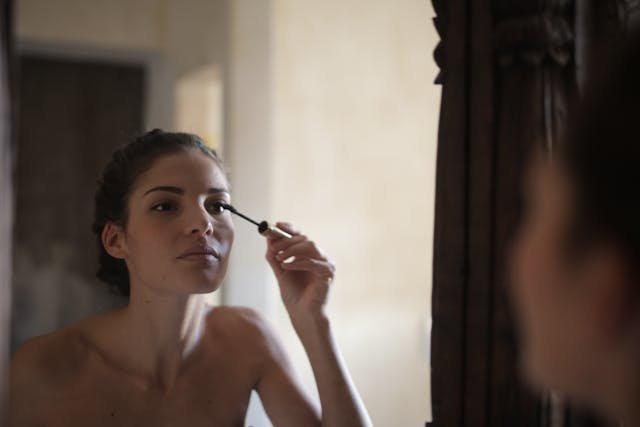
Every day, countless women enhance their lashes with mascara, often overlooking the impact on their eye health.
Mascara ranks among the most popular cosmetics globally, yet the discussions about its effects on eye health—including aspects like the eyelid microbiome, meibomian glands, tear film, and the delicate barrier that protects your eyes from discomfort and infections—are surprisingly scarce. This article is not meant to criticize beauty routines but to raise awareness. Once you understand how small everyday choices can accumulate over time, the solutions become straightforward, and your eyes will express their gratitude.
Understanding Your Eyelid Microbiome
Your eyelashes and eyelids harbor beneficial microbes that serve as a defense against infections and inflammation. The use of harsh preservatives, heavily fragranced removers, and aggressive cleaning methods can disrupt this delicate ecosystem, similar to how antibacterial soap can harm skin flora. When the lash line is excessively cleaned or irritated, it may lead to increased inflammation and an influx of opportunistic organisms, like demodex mites, invading the hair follicles. This can result in sore, red, and tired eyes, contributing to the rising prevalence of dry eye conditions across various age groups.
The Importance of the Oil System
The small pores along your lash line (meibomian glands) produce the oily layer of your tears. This oil prevents the watery component from evaporating. Thick, waterproof mascaras, outdated products, and accumulated residue can obstruct these glands. Coupled with prolonged screen exposure (leading to less blinking) and the habit of “sleeping in mascara,” this can trigger symptoms of evaporative dry eye, such as burning sensations and light sensitivity, all while one may mistakenly believe that the answer lies in using more potent eye drops.
What Ingredients Are in Your Mascara?
Not all mascara formulas are created equal. Be wary of common indicators that may signal potential issues:
- Claims of long-lasting wear or “waterproof forever” often involve stronger film-forming agents that necessitate more vigorous removal (and potentially more irritation).
- Certain preservatives and solvents (like specific parabens, phenoxyethanol, and formaldehyde releasers) may cause irritation to the sensitive skin of the eyelids.
- Colorants such as carbon black and those derived from coal tar can trigger allergic reactions in some individuals.
- PFAS substances (indicated as PTFE or “fluoro-” ingredients) can be used in some mascaras for enhanced slip and water resistance, yet they are known to persist in both the human body and the environment.
While these exposures might seem minor individually, the cumulative effect over years, especially on a sensitive mucosal surface, warrants a cautious approach.
The Role of Hygiene in Eye Health
Many eye-related issues stemming from mascara use are less about one specific “bad” ingredient and more about general hygiene practices, proper removal techniques, and timely replacements.
To help protect your eyes, consider these adjustments to your mascara routine:
- Replace your mascara every 3 months – The warm, moist environment inside the tube is ideal for microbial growth. If you notice an unusual smell or clumping, dispose of it sooner.
- Do not share your mascara – Bacterial and fungal infections don’t discriminate, even among friends.
- Avoid pumping the wand – This action introduces air and potential contaminants into the tube.
- Gently remove mascara every night – Skip vigorous scrubbing. Use a gentle remover with minimal ingredients, followed by a rinse with lukewarm water, and pat dry without rubbing.
- Clean the lash line cautiously – A gentle mist of hypochlorous-acid eyelid cleanser on closed eyelids followed by a soft swipe along the lashes helps manage microbial load without disrupting your microbiome.
- Take breaks from mascara – Having days without mascara allows your glands to recover and your tear film to regain balance.
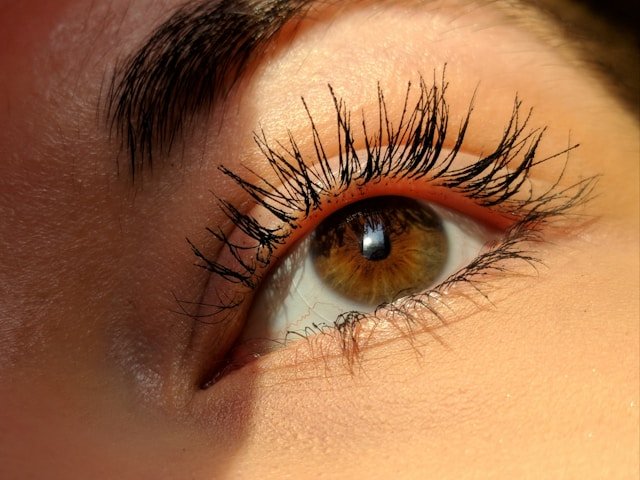
“But My Eyes Always Feel Dry…”
Experiencing dry eyes is rarely just an issue of “not enough drops.” Consider the underlying causes and potential remedies:
- Meibomian gland function – If oil isn’t reaching your tear film, the moisture evaporates quickly. Applying gentle warm compresses (ensuring they’re clean and not excessively hot) followed by soft lid massages can help express oil.
- Blink efficiency – Increased screen time diminishes both the frequency and effectiveness of our blinks. Adopting the “20-20-20” rule (every 20 minutes, look at something 20 feet away for 20 seconds) and making a conscious effort for full blinks can be beneficial.
- Overall health factors – Issues such as dehydration, mouth-breathing, lack of sleep, low intake of omega-3s, and high indoor temperature or air conditioning can negatively impact your tear film. Focus on holistic health.
- Opt for safer cosmetics – Select “tubing” mascaras or easy-to-dissolve formulas that rinse off with warm water. These formulas reduce friction and the need for harsh removers.
- Prefer shorter ingredient lists – Avoid PFAS, fragrance, and formaldehyde-releasing preservatives when possible.
- Use fresh, non-fibrous applicators – Fibrous wands can shed and cause irritation.
- If wearing contact lenses – Only apply mascara to the tips of your lashes and remove your lenses before cleansing.
- If suffering from chronic blepharitis, styes, or meibomian gland dysfunction – Consider saving mascara for special occasions while you work on improving lid health.
Beauty That Enhances Biology
Healthy eyelashes stem from a well-rounded diet: sufficient protein, essential minerals (notably zinc), vitamin A, collagen or gelatin-rich foods, and omega 3 fatty acids all contribute to the health of hair follicles and meibomian function. Exposure to natural light in the morning (without lenses obscuring your view of the sky) supports your circadian rhythm, enhancing tear production and repair during sleep. Effective stress management and prioritizing quality sleep are crucial since the body’s best antioxidant system is activated while you rest.
In conclusion
Mascara shouldn’t be seen as the enemy; rather, it’s ignorance of eye health that poses a risk. By neglecting factors like the eyelid microbiome and meibomian glands, individuals may sacrifice long-term comfort for short-term aesthetics. Upgrading to better formulas, employing gentler removal techniques, and adhering to basic hygiene practices can enable individuals to maintain their desired look while restoring eye comfort.
Quick Eye Health Checklist for Mascara Users
- Replace every three months
- Avoid sharing; don’t pump the wand
- Gently remove nightly (no scrubbing)
- Use hypochlorous eyelid spray followed by a soft wipe
- Incorporate warm compresses and full blinks daily
- Opt for tubing or easy-to-remove formulas; steer clear of PFAS
- Take breaks from mascara during flare-ups
- Stay hydrated, nourish your body, and prioritize sleep
Author Bio
 Benjamin Smith is the Founder and CEO of Ultimate Health Model, which takes a revolutionary approach to addressing the root causes of health concerns. As a certified health coach, he is dedicated to spreading knowledge that empowers individuals to achieve wellness. His upcoming book, Why Are You Sick? How to Reclaim Your Health with the Ultimate Health Model (Pro Audio Voices, Inc., August 20, 2025), encourages readers not merely to survive, but to thrive. Discover more at ultimatehealthmodel.com, and access his free audiobook here.