

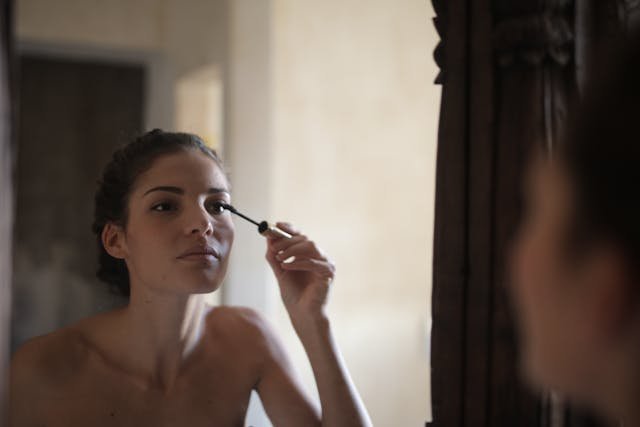
Every day, countless women enhance their lashes with mascara, often overlooking its effects on eye health.
Mascara ranks as one of the most widely used beauty products worldwide, yet discussions surrounding its impact on eye biology—such as the eyelid microbiome, meibomian glands, tear film integrity, and the delicate barrier that safeguards your eyes from irritation—are surprisingly scarce. This article aims to promote awareness rather than discourage beauty practices. Once you understand how seemingly benign daily routines accumulate, making adjustments becomes easy, and your eyes will be grateful for it.
Understanding Your Eyelid Microbiome
Your eyelashes and eyelids harbor a diverse community of microorganisms that play a vital role in protecting against harmful pathogens and inflammation. Factors such as harsh preservatives, scented makeup removers, and vigorous cleaning can disrupt this delicate ecosystem, similar to how antibacterial soap can harm the skin. When the lash line experiences irritation or excessive cleaning, it often leads to increased inflammation and an influx of opportunistic organisms (like demodex mites). This can result in red, gritty, and fatigued eyes and contributes to the rising incidence of dry eye symptoms across various age groups.
The Hidden Oil System
The tiny glands along your lash line, known as meibomian glands, are responsible for producing the lipid layer of your tears. This oily layer prevents the aqueous portion of your tears from evaporating. Waterproof mascaras, expired products, and persistent residue can clog these glands. When combined with prolonged screen time (which decreases blinking) and the habit of sleeping with mascara on, this situation can lead to evaporative dry eye, accompanied by burning sensations and light sensitivity—all while you might mistakenly think that the answer lies in using more potent eye drops.
Decoding the Ingredients in Mascara
Not all mascara formulations are equivalent; watch for these common red flags:
- Long-lasting or “waterproof forever” labels often indicate stronger agents that require vigorous removal, leading to more rubbing.
- Preservatives and solvents such as certain parabens, phenoxyethanol, and formaldehyde releasers can irritate the sensitive skin on your eyelids.
- Dyes like carbon black and certain coal tar-derived colorants can trigger allergic reactions.
- PFAS (polyfluoroalkyl substances) or “Teflon” ingredients, typically listed as PTFE or “fluoro-,” appear in some mascaras for their slick and water-resistant qualities, but these substances can persist in both the body and the environment.
While each exposure might seem minor, the cumulative effects over the years—especially on a mucosal surface—warrant caution.
Prioritizing Hygiene Over Hype
The majority of eye problems associated with mascara usage stem from lack of proper hygiene practices rather than a singular “bad” ingredient.
Here are some strategies to adjust your mascara routine to help safeguard your eyes:
- Replace your mascara every three months – The warm, moist, and oxygen-limited environment inside the tube can harbor microbes. If it develops an unusual odor or begins to clump, dispose of it sooner.
- Never share mascara – Bacteria present on the conjunctiva don’t care if the user is your best friend.
- Avoid pumping the wand – This process introduces air and potential contaminants into the tube.
- Remove mascara gently every night – Steer clear of scrubbing. Opt for a remover with minimal ingredients, followed by rinsing with lukewarm water, and pat dry without rubbing.
- Clean the lash line gently – A few spritzes of a hypochlorous-acid eyelid cleanser on closed lids followed by a soft wipe along the lashes can help minimize microbial burden while preserving the microbiome.
- Take breaks – Mascara-free days enable your glands to function optimally and allow the tear film to reset.
“But My Eyes Are Always Dry…”
Dry eye symptoms are seldom just a matter of needing more drops. Consider these contributing factors and their potential remedies:
- Meibomian function – Oil deficiency in your tear film leads to rapid evaporation. Gentle warm compresses (using clean, warm—not hot—water) paired with soft lid massages can assist in expressing oil.
- Blink quality – Screen use diminishes both the frequency and the completeness of our blinks. Implement the “20-20-20” rule (after every 20 minutes, look at something 20 feet away for 20 seconds) alongside conscious full blinks.
- Whole-body factors – Dehydration, mouth breathing, poor sleep, insufficient omega-3 intake, and excessive indoor heating or air conditioning can all thin the tear film. Healthy eyes begin with overall health.
- Simple safe-use strategies – Opt for “tubing” mascaras or those that dissolve easily with warm water, which require less rubbing and fewer harsh removers.
- Short ingredient lists are preferable – Whenever possible, avoid PFAS (PTFE, perfluoro-, polyfluoro-), synthetic fragrances, and formaldehyde-releasing preservatives.
- Use fresh, non-fibrous applicators or clean reusable wands – Fibers from applicators can break off and cause irritation.
- If you wear contacts – Apply mascara only to the tips of lashes, avoiding the roots, and remove your lenses before cleansing.
- If you have chronic blepharitis, styes, or meibomian gland dysfunction (MGD) – Consider limiting mascara usage to special occasions as you work on rehabilitating your eyelids.
Supporting Beauty Through Biological Health
Healthy lashes originate from within: ensure adequate intake of proteins, minerals (especially zinc), vitamin A, collagen-rich foods, and omega-3 fatty acids, all of which bolster follicle and meibomian gland health. Exposure to natural light in the morning (without glasses or lenses) supports your circadian rhythm, fostering improved tear production and overnight repair. Managing stress and prioritizing sufficient sleep are also essential, as your body’s most effective antioxidant system operates while you rest.
In summary
Mascara itself isn’t to blame; it’s our lack of awareness. Overlooking the importance of the eyelid microbiome and meibomian glands often results in trading short-lived beauty for long-term discomfort. By embracing more thoughtful product choices, gentle removal practices, and basic eyelid hygiene, you can maintain the look you adore while regaining the comfort you deserve.
Keep this Quick Eye Health Checklist Handy for Mascara Use
- Replace every three months
- Don’t share; avoid pumping the applicator
- Gently remove at night (no scrubbing)
- Use hypochlorous eyelid spray, followed by a soft wipe
- Implement warm compresses and full blinks daily
- Opt for tubing or easily removable formulas; avoid PFAS
- Take breaks from mascara during flare-ups
- Stay hydrated, nourish your body, and ensure proper sleep
Author’s Bio
 Benjamin Smith is the Founder and CEO of the Ultimate Health Model, a pioneering approach that addresses the underlying causes of health issues. As a certified health coach passionate about education, he seeks to empower individuals to improve their well-being. His upcoming book, Why Are You Sick? How to Reclaim Your Health with the Ultimate Health ModelTM (Pro Audio Voices, Inc., August 20, 2025), encourages readers to thrive instead of merely survive. Discover more at ultimatehealthmodel.com and access his free audiobook here.