

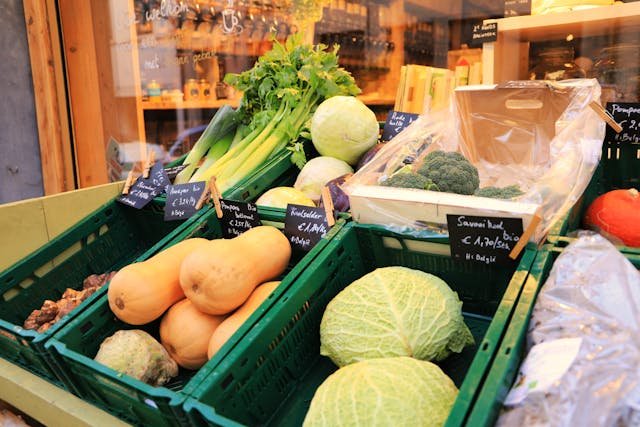
The year 2024 has proven to be quite eventful for both farmers and farm shops. A notable moment was the October budget announcement, which elicited strong feelings of disappointment and anger within the agricultural community.
Despite facing numerous obstacles throughout the year, farmers and farm shops are also encountering valuable opportunities. Let’s highlight a few of these potential advantages and explore strategies for overcoming challenges.
Opportunities
Increased Consumer Interest
There has been a continuous rise in demand for specific types of food, even amidst recent inflationary pressures and increased living costs. Modern consumers are more eager than ever to understand the origins and contents of their food, a level of transparency that farm shops can readily provide.
Variety in Offerings
Farm shops have the potential to do much more than sell locally sourced food. They can broaden their services to include classes, demonstrations, and guided tours of the farm. By diversifying their offerings, they can reduce the risk of being adversely impacted by market fluctuations.
Expansion into Online Sales
There’s no need for a farm shop to be confined to a physical location. Establishing an online presence allows for sales through various channels, ultimately boosting revenue and enhancing operational efficiency.
Local Community Involvement
A well-run farm is more than just a food production site; it should also cultivate connections within the local community and collaborate with nearby producers. Forming informal farmer networks can enhance stock diversity in the shop.
Commitment to Sustainability
Farm shops are in a strong position to meet the demand for sustainable products, thanks to their ability to significantly reduce food miles. Eco-conscious consumers prefer to purchase food that is aligned with their values, and farms can play a crucial role in meeting this need.
Challenges
Increasing Costs
The farming sector is inherently volatile, with variations in input costs putting pressure on profit margins. Creative solutions, such as operating a shop from a shipping container instead of a permanent structure, might alleviate some financial strain.
Intense Competition
The food retail landscape is highly competitive, with supermarkets offering similar products at reduced prices and greater convenience. To stand out, farm shops must emphasize the quality of their goods.
Shortage of Labor
Having adequate staffing is crucial for the success of a farm shop. However, rural areas often have a limited pool of potential employees. Implementing effective onboarding and training programs can help address this issue.
Seasonal Variability
The dynamics of a farm shop will fluctuate throughout the year, adapting to changing demands and supplies that come with the seasons. This ongoing evolution presents both exciting possibilities and considerable challenges.
Regulatory Compliance
Farm shops must navigate a complex set of regulations concerning food safety, environmental impact, and labor standards, which can elevate operational costs.
Strategic Focus
For success in 2024, farm shops should prioritize multiple strategic components.
Customer experience must be central to their approach; visitors need to feel they are obtaining something special to justify the trip.
Product selections should be unique and of sufficient quality to lure locals away from cheaper supermarket alternatives.
Effective marketing strategies should leverage both digital platforms and traditional methods, with word-of-mouth serving as a valuable tool for attracting customers.
Cost management is another key area to address; optimizing expenses will be crucial, especially during seasons of tight margins.
Lastly, embracing sustainability can enhance appeal. Today’s consumers increasingly seek out businesses that align with their eco-friendly values, and a visibly sustainable operation can attract this demographic.