


We all aspire to have vibrant, healthy hair, yet certain daily practices may inadvertently harm it. Thankfully, by becoming aware of these damaging habits, you can take steps toward healthier hair. Here’s a detailed examination of subtle factors harming your hair along with sound advice for maintaining strong, shiny locks.
Overlooking Scalp Health
Beautiful hair begins with a well-maintained scalp. Failing to care for your scalp, whether through infrequent washing or ignoring issues like dryness and dandruff, can compromise hair health.
Solution:
- Care for your scalp as you do your skin. Utilize gentle exfoliating scrubs to eliminate buildup and enhance blood flow.
- Select shampoos infused with nourishing elements such as tea tree oil, aloe vera, or hyaluronic acid to keep your scalp in optimal condition.
- If you observe noticeable hair thinning or loss, you might want to explore minoxidil, a topical treatment known for encouraging hair follicle activity. 1
Frequent Hair Washing
Washing your hair too often removes its natural oils, resulting in dryness, brittleness, and heightened breakage risk. This is especially true with harsh sulfated shampoos.
Solution:
- Identify your hair type. For dry or curly hair, washing every two to three days typically suffices. Fine or oily hair may require more frequent washing, but daily cleansing should still be avoided when possible.
- Use a mild shampoo. Choose sulfate-free products that clean effectively without stripping moisture.
- Try co-washing. Occasionally substitute conditioner for shampoo to refresh your hair while providing adequate hydration. 2
Using Excessively Hot Water
While a hot shower can feel heavenly, it can be detrimental to your hair. High temperatures can damage the hair cuticle, resulting in frizz and increased risk of breakage. 3
Solution:
- Cleanse your hair with lukewarm water. This temperature is effective for cleaning without causing damage.
- Gradually lower the temperature. If cooler showers seem intimidating, reduce the heat incrementally to help your hair stay healthy.
Harsh Towel Drying
Wiping your hair aggressively with a towel may seem expedient, but it can result in significant damage. The rough texture can roughen the hair cuticle, creating frizz, split ends, and breakage. 3
Solution:
- Switch to a microfiber towel or a soft old cotton T-shirt. Both options are gentler on your hair.
- Gently squeeze excess water from your hair. Pat dry instead of rubbing to minimize friction and prevent damage.

Omitting Heat Protection
Heat styling tools, including straighteners, curling irons, and blow dryers, can severely harm your hair if you don’t use protective measures. The heat damages the hair cuticle, leading to dryness, breakage, and split ends. 3
Solution:
- Always apply a heat protectant before using heat styling tools. These products form a barrier that minimizes heat damage.
- Reduce heat exposure. Employ the lowest heat setting necessary and limit the duration of the hot tool’s contact with your hair.
Tight Hairstyles
Though sleek buns, tight braids, and high ponytails might be fashionable, consistently wearing these hairstyles too tightly can lead to hair damage and conditions like traction alopecia, which results from constant pulling. 4
Solution:
- Choose looser hairstyles. Consider a relaxed braid or a low bun instead of a tight ponytail.
- Utilize snag-free hair ties such as scrunchies or coiled bands to minimize tension and avoid breakage.
- Vary your hairstyles regularly to prevent excessive strain on specific areas of your scalp.
Going to Bed with Wet Hair
It can be tempting to go to bed with damp hair after a long day, but this habit weakens hair strands, increasing the likelihood of breakage and tangling. Additionally, moist hair creates a favorable environment for bacteria on your pillow. 5
Solution:
- Shower earlier in the evening to let your hair air dry naturally.
- Opt for silk or satin pillowcases. These materials produce less friction than cotton, helping keep your hair sleek and healthy.
Applying Excessive Hair Products
Though styling products like mousses, gels, and sprays can achieve the desired look, too much can weigh down your hair and lead to buildup on your scalp.
Solution:
- Limit product usage. Start small and only add more if necessary.
- Integrate a clarifying shampoo into your hair care routine once a month to eliminate buildup and refresh your scalp.
- Opt for lightweight products suitable for your hair type; avoid those with heavy waxes or oils unless your hair is extremely dry.
Neglecting Regular Haircuts
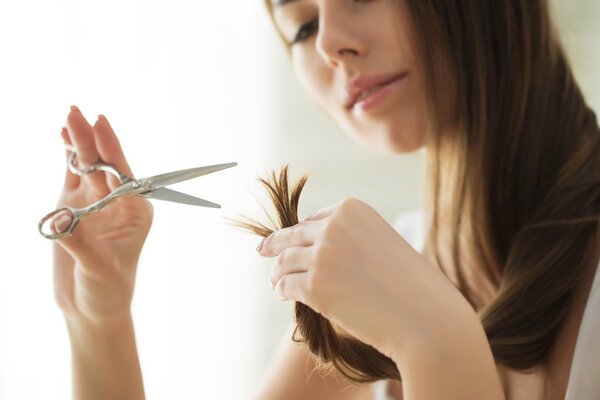
In the pursuit of longer hair, it’s common to forgo haircuts altogether. However, not getting regular trims can lead to split ends, ultimately making your hair appear thinner and less vibrant.
Solution:
- Schedule trims every few months. Even the slightest “dusting” of the ends can help mitigate further damage.
- Communicate your hair goals with your stylist to establish a trimming plan that accommodates your desired length.
Conclusion
Many individuals inadvertently harm their hair through daily routines, but minor adjustments can restore its vitality and health. By understanding the specific needs of your hair and implementing small changes, you can achieve significant improvements.
Healthy, radiant hair requires more than just the right hair products — it’s about establishing a regimen that addresses fundamental concerns. This may include washing your hair less frequently, opting for a silk pillowcase, or considering online options for targeted hair care solutions. Together, these small steps can lead to significant enhancements in your hair’s health and appearance.
References
- Regaine. (n.d.). How minoxidil works. https://www.regaine.co.uk/minoxidil/how-minoxidil-works
- HCA Florida. (2023, October 23). How many times a week should you wash your hair? https://www.hcafloridahealthcare.com/healthy-living/blog/how-many-times-a-week-should-you-wash-your-hair
- Lee, Y., Kim, Y.-D., Hyun, H.-J., Pi, L., Jin, X., & Lee, W.-S. (2011). Hair shaft damage from heat and drying time of hair dryer. Annals of Dermatology, 23(4), 455. https://doi.org/10.5021/ad.2011.23.4.455
- American Academy of Dermatology. (2024, November 6). Hairstyles that pull can lead to hair loss. https://www.aad.org/public/diseases/hair-loss/causes/hairstyles
- Sleep Foundation. (2024, March 11). Is it bad to sleep with wet hair? https://www.sleepfoundation.org/sleep-faqs/is-it-bad-to-sleep-with-wet-hair