

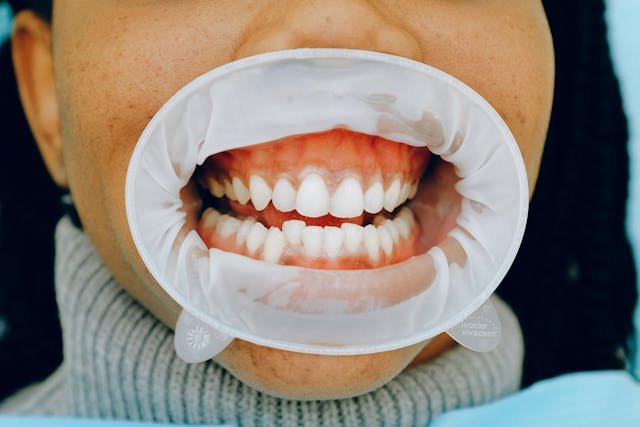
In Australia, one of the most sought-after cosmetic dental procedures is teeth whitening. However, if you are experiencing gum recession, you might be questioning the safety and feasibility of whitening your teeth. The good news is that it is indeed possible to whiten your teeth with gum recession, but it must be approached with caution and under the supervision of a dental professional.
Before embarking on any whitening regimen, it is crucial to have your gums evaluated by a qualified dental team, such as Clover Dental. Gum recession alters the structure of your teeth and exposes areas that may react differently to whitening products, making it essential to create a customized plan.
This article will explain what gum recession entails, the associated risks, and how to achieve a brighter smile safely.
Understanding Gum Recession
Gum recession is characterized by the retreat of gum tissue away from the tooth, which exposes more of the tooth surface and sometimes even the root. This condition can develop slowly and may go unnoticed initially. Common factors contributing to gum recession include:
- Gum disease (periodontitis)
- Brushing too aggressively
- Teeth grinding or clenching
- Aging
- Orthodontic treatments
- Hereditary predispositions
When gums recede, the protective enamel covering the visible tooth may no longer be intact, leaving the softer dentine layer exposed.
Impact of Gum Recession on the Whitening Process
Whitening treatments primarily target enamel. Professional whitening products use peroxide-based gels that penetrate the enamel to eliminate stains. However, the exposed roots behave differently. Here’s why:
- Root Surfaces React Differently – Roots are coated with cementum instead of enamel. Cementum is thinner and has a more porous texture, allowing whitening agents to absorb quickly but offering unpredictable lightening results. In some instances, they may not lighten at all.
- Heightened Sensitivity – Gum recession often heightens tooth sensitivity due to the dentine’s microscopic openings leading to the nerve. Whitening agents can temporarily exacerbate this sensitivity.
- Potential for Gum Irritation – If whitening gel contacts sensitive gum tissue, it could lead to irritation or pain, especially with generic kits that do not have custom fitting.
Is Teeth Whitening Safe with Gum Recession?
Generally, yes, provided you undergo a thorough dental check-up first. Key factors to consider include:
- Is the recession stable or progressing?
- Is there any active gum disease?
- What level of tooth sensitivity are you experiencing?
- How much of the roots are exposed?
If there is any active gum disease, it is advisable to delay whitening until the condition is addressed. Prioritizing gum health is essential for any cosmetic procedures. Your dentist may also suggest desensitizing treatments before proceeding with whitening to minimize discomfort.
Comparing Professional Whitening and At-Home Kits
If you have gum recession, opting for professional whitening is highly recommended over over-the-counter options.
Benefits of Professional Whitening
- Custom trays to limit gel contact with gums
- Controlled concentrations of whitening gel
- Supervised duration of the treatment
- Availability of desensitizing treatments
- Modifications based on sensitivity levels
Drawbacks of Over-the-Counter Kits
- Standardized trays that may not fit
- Higher likelihood of causing gum irritation
- Lack of professional oversight
- Risk of inconsistent results
In cases of gum recession, accuracy is vital. Ill-fitting trays can lead to excessive pooling of whitening gel around exposed roots and gum edges, heightening irritation and sensitivity.
Addressing Sensitivity During Whitening
- Using a desensitizing toothpaste for 2–4 weeks leading up to treatment
- Spacing out treatments
- Shortening whitening sessions
- Utilizing lower-concentration whitening gels
- Applying fluoride or remineralizing treatments
While temporary sensitivity can occur even in those without gum recession, effective planning can significantly alleviate discomfort.
What If Whitening Is Not Ideal?
In certain instances, whitening may not yield the results you desire, especially if the exposed roots are darker than the enamel. Other cosmetic alternatives to consider include:
- Composite Bonding – This involves applying a tooth-colored resin to the root surfaces for a more uniform look.
- Veneers – For more extensive cosmetic issues, veneers can ensure uniform color and coverage.
- Gum Grafting – In cases of significant recession, gum grafting may be recommended for both aesthetic and protective purposes before any whitening treatment.
A thorough consultation allows your dentist to guide you on the best approach aligned with your dental health and aesthetic aspirations.
When to Avoid Whitening
Teeth whitening should be avoided if you have:
- Active periodontal disease
- Severe unresolved sensitivity
- Extensively exposed roots
- Cracked enamel
- Persistent gum inflammation
Whitening should always be considered as the last step in a comprehensive oral health strategy.
Post-Whitening Care
If you choose to whiten your teeth, it is crucial to maintain results while safeguarding your gums:
- Utilize a soft-bristled toothbrush
- Avoid aggressive brushing techniques
- Schedule regular professional cleanings
- Consider a night guard to manage grinding if required
- Limit consumption of foods and drinks that can cause stains
Most importantly, keep a close eye on your gum health. Receding gums cannot naturally recover, making it essential to prevent further deterioration.
In Summary
It is indeed possible to brighten your smile even with gum recession, but it must be executed with care and professional oversight. Prioritizing gum health is imperative. A customized assessment will ensure that whitening is carried out safely and effectively, while also addressing any sensitivities and protecting the exposed root surfaces.
If you’re contemplating whitening and notice gum recession, it’s wise to schedule a consultation first. With the right strategy, you can achieve a brighter smile without compromising your long-term dental well-being.