

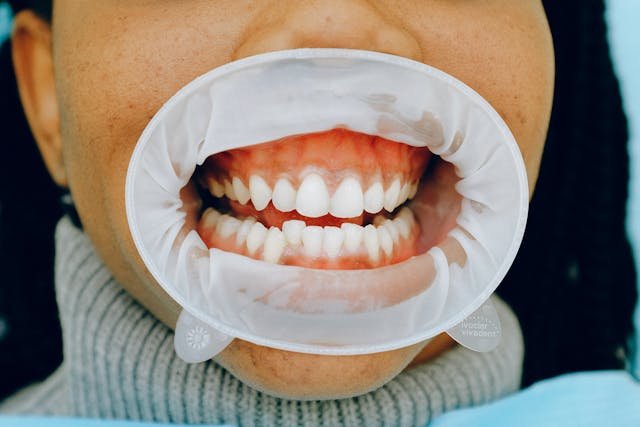
In Australia, one of the most popular requests for cosmetic dental services is achieving a brighter smile. However, if you suffer from gum recession, you may be concerned about the safety and feasibility of teeth whitening. The good news is that it is indeed possible to whiten your teeth with gum recession, but it must be handled with caution and under the care of a dental professional.
Before you embark on any whitening procedure, a thorough assessment of your gums by a qualified dental team, like those at Clover Dental, is crucial. Gum recession alters the tooth structure and reveals areas that react differently to whitening products, making a customized approach very important.
Let’s explore the implications of gum recession on the whitening process, the potential risks involved, and how to achieve a bright smile safely.
Understanding Gum Recession
Gum recession occurs when the gum tissue retracts from the tooth, leading to greater exposure of the tooth and, in some cases, the root. This process can develop gradually and may not be easily identifiable initially. Some of the common culprits include:
- Periodontal disease
- Aggressive brushing techniques
- Bruxism (grinding or clenching teeth)
- Age-related changes
- Dental braces movement
- Genetic predispositions
As gums recede, the protective enamel might not cover the entire visible part of the tooth. This could lead to exposure of the dentine, which lies beneath the enamel.
How Gum Recession Affects the Whitening Process
Teeth whitening treatments target the enamel. Professional whitening products are composed of peroxide-based agents that seep into the enamel to break down stains. However, the surfaces of exposed tooth roots behave differently. Here’s what you need to consider:
- Root Surfaces Have Different Whitening Properties – The roots are covered with cementum, which is thinner and more porous than enamel. This means they can absorb whitening agents more ravenously, but their bleaching response is less predictable, and they may not lighten as significantly as the enamel.
- Heightened Sensitivity – Gum recession can lead to heightened tooth sensitivity since dentine contains tiny tubules that connect directly to the nerve. Whitening treatments may temporarily exacerbate this sensitivity.
- Potential for Gum Irritation – If whitening gels come into contact with sensitive gum tissue, they can cause irritation or discomfort. This is especially true for over-the-counter products that often don’t include custom trays.
Is Whitening Safe With Gum Recession?
In general, the answer is yes, but only after a thorough dental examination. Key factors to consider include:
- Is the gum recession stable or progressing?
- Is there active gum disease present?
- What degree of tooth sensitivity are you experiencing?
- Are there large areas of exposed roots?
If you have active gum disease, it’s advisable to delay whitening until treatment is complete. Health of the gums should take precedence over cosmetic procedures. Dentists may also recommend desensitizing treatments prior to whitening to alleviate discomfort.
Comparing Professional Whitening to At-Home Kits
For those with gum recession, professional whitening is recommended over drugstore or online alternatives.
Benefits of Professional Whitening
- Custom trays reduce the contact of gel with gums.
- Controlled concentration of the whitening gel.
- Supervised duration of treatment.
- Options for desensitization available.
- Adjustments based on individual sensitivity.
Drawbacks of Over-the-Counter Kits
- Standardized trays that may not fit properly.
- Higher potential for gum irritation.
- No professional oversight.
- Risk of inconsistent results.
Precision is crucial when dealing with gum recession. Ill-fitting trays can cause whitening gel to gather around exposed roots, leading to increased irritation and sensitivity.
Dealing With Sensitivity During Whitening
If your dentist concludes that whitening is a viable option, they might suggest:
- Using desensitizing toothpaste for 2 to 4 weeks prior.
- Spacing out whitening treatments.
- Shortening the duration of whitening sessions.
- Using a lower concentration whitening gel.
- Applying fluoride or remineralizing agents.
While temporary sensitivity is common, even among those without gum recession, appropriate planning can significantly mitigate discomfort.
Alternatives When Whitening Isn’t Ideal
Sometimes, whitening might not yield the desired effect, particularly if the exposed roots are noticeably darker than the enamel. In such cases, other cosmetic options to consider include:
- Composite Bonding – Dental resin can be applied to the root surfaces for a more even appearance.
- Veneers – For more significant cosmetic issues, veneers offer consistent color and coverage.
- Gum Grafting – In cases of severe recession, a gum graft may be recommended for both aesthetic and protective reasons before any whitening treatment is pursued.
An in-depth consultation will allow your dentist to guide you on the most suitable approach tailored to your dental health and cosmetic aims.
When To Avoid Whitening
It’s advisable to refrain from teeth whitening if you are experiencing:
- Active periodontal disease.
- Significant untreated tooth sensitivity.
- Extensively exposed roots.
- Cracked enamel.
- Ongoing gum inflammation.
Whitening should always be the final step in a comprehensive oral health strategy, rather than the first.
Long-Term Care Following Whitening
If you opt for whitening, it’s crucial to uphold results while safeguarding your gums:
- Use a soft-bristled toothbrush.
- Avoid vigorous brushing techniques.
- Schedule regular professional cleanings.
- Utilize a night guard if teeth grinding is an issue.
- Limit consumption of foods and beverages that cause staining.
Above all, continue to monitor your gum health. Gum recession can’t reverse itself naturally, making the prevention of further progression essential.
In Conclusion
Yes, it is possible to whiten teeth despite having gum recession; however, it must be approached with care and under the supervision of a professional. Prioritizing gum health is crucial. A customized evaluation guarantees that the whitening process is both safe and effective while minimizing sensitivity and protecting exposed roots.
If you’re considering whitening and have observed gum recession, schedule a consultation first. With the right strategy, achieving a brighter smile while preserving your long-term dental health is entirely feasible.