

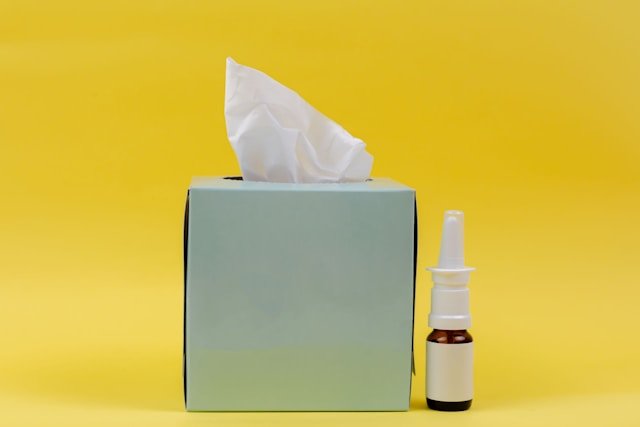
When striving for a healthier lifestyle, many individuals prioritize their diet and exercise routines, often neglecting an essential aspect: indoor air quality. The air within our homes can contain unseen allergens that provoke various symptoms, disrupt sleep, and impede overall health. Gaining insight into this often-overlooked relationship enables individuals to enhance their living spaces and support their health aspirations.
The Impact of Poor Air Quality on Allergic Reactions
The immune system reacts to airborne particles as if they were harmful invaders. Upon entering the respiratory tract, allergens stimulate the release of histamines and other substances, resulting in symptoms like sneezing, nasal congestion, and itchy eyes. Particles of about 10 micrometers in diameter tend to settle within the upper airways, whereas smaller particles can penetrate deeper into the lungs.
Continual exposure to these irritants can lead to chronic inflammation, which many individuals might confuse with a persistent cold. As the body becomes more sensitive, conditions such as allergic rhinitis and asthma may arise, leading to poorer sleep quality, diminished workout performance, and decreased energy levels during the day.
Common Allergens Found Indoors
Any household can contain airborne irritants originating from various sources. Recognizing these prevalent allergens can help individuals identify factors that may impact their comfort and breathing.
Dust Mites and Animal Dander
Dust mites thrive in warm and humid conditions, feeding on flakes of shed skin. They often inhabit bedding, carpets, upholstered furniture, and curtains, with people reacting to proteins found in mite waste and decomposed bodies rather than the mites themselves. Research indicates that nearly 80% of homes in the U.S. show evidence of dust mites in at least one bed.
Similarly, pets with fur or feathers contribute to the presence of pet dander, which comprises minuscule skin particles that can remain airborne for extended periods. Residual dander can persist in homes even after pets are no longer present.

Mold Spores and Excess Humidity
Mold proliferates in damp areas, releasing spores that can instigate allergic responses. Common locations for mold growth, such as bathrooms, kitchens, and basements, provide ideal conditions. Spores can easily disperse through air currents and ventilation systems, impacting areas far from the original site.
Pollen Intruding Indoors
Outdoor allergens can readily infiltrate homes through open doors and windows or cling to clothing and pets. Studies show that between 10% and 30% of individuals suffer from allergies, making this a pressing issue. Once indoors, pollen accumulates on various surfaces, and even minor movements can reintroduce it into the air.
Factors such as climate change are exacerbating this problem, resulting in longer and more intense allergy seasons. This alters weather patterns, causing plants to produce higher amounts of pollen for extended durations, which may lead to increased indoor pollen levels alongside outdoor exposure.
Household Chemicals and Volatile Organic Compounds (VOCs)
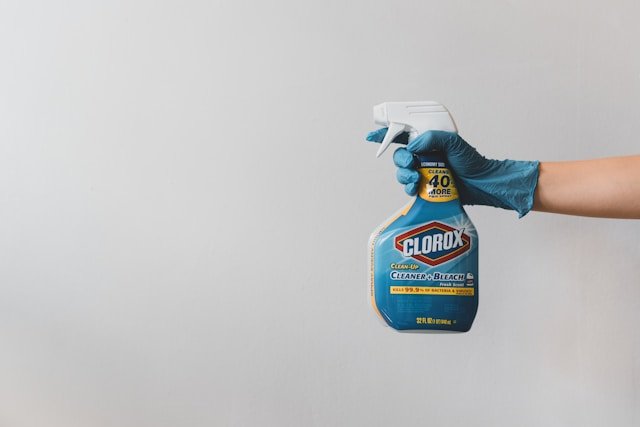
Products like cleaning agents, paints, air fresheners, and furniture emit VOCs that can pose significant risks to respiratory health. These chemicals can evaporate even at room temperature, accumulating within closed environments. Research shows that VOCs in commonly used cleaning products can lead to respiratory issues and inflammation in regular users.
Recognizing Signs of Poor Indoor Air Quality
Declining air quality in one’s living space often manifests through various symptoms. Persistent symptoms such as sneezing, coughing, or a runny nose that worsen indoors are indicative of allergen exposure, while persistent itchy, watery eyes and frequent throat irritation point to airborne irritants.
Additionally, unaccounted fatigue and concentration difficulties may arise from disrupted sleep caused by nighttime nasal congestion. Athletes in particular may experience diminished performance or prolonged recovery times due to compromised indoor air conditions.
Practical Strategies to Enhance Indoor Air Quality
Improving the quality of indoor air requires a combination of thoughtful actions. The following recommendations can help minimize allergen exposure and foster a healthier living atmosphere:
- Regulate Humidity: Keeping humidity below 50% can help control dust mites and prevent mold from developing.
- Use Effective Air Filters: High-efficiency particulate air (HEPA) filters can trap and eliminate 99.97% of fine airborne particles, significantly lowering allergen levels.
- Select Proper Purifiers: Choosing air purifiers that effectively filter both particles and gases ensures comprehensive air quality management.
- Maintain a Cleaning Routine: Regular vacuuming with HEPA filters and using damp cloths for dusting can limit allergens from becoming airborne during cleaning.
- Wash Bedding Frequently: Washing sheets, pillowcases, and blankets in hot water effectively removes dust mites and other allergens.
Houseplants: A Natural Solution for Indoor Air Purification
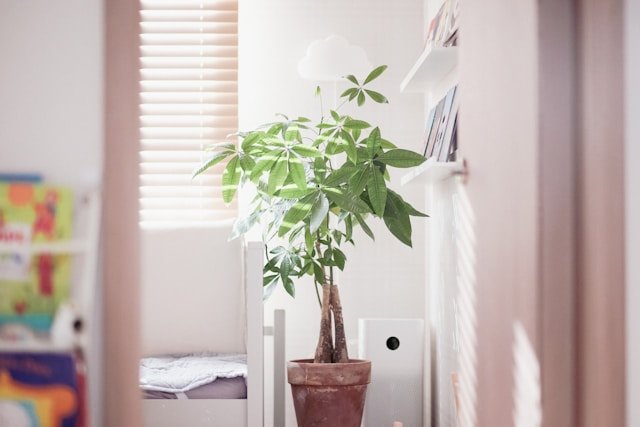
Considering that the average person spends around 90% of their time indoors, the quality of the indoor environment plays a crucial role in overall health. Houseplants provide an organic means of improving air quality while also enhancing the aesthetic of your space.
Plants naturally absorb harmful substances through their foliage, which is important given that indoor pollutant levels are generally five to ten times higher than those found outdoors. In newly renovated areas, the concentration of unhealthy air can be up to one hundred times greater than outside, highlighting the value of plants in these settings.
While individual plants might only create modest improvements, integrating a variety of them across different rooms can lead to significant enhancements in air quality over time.
Fostering a Healthier Home for Enhanced Well-being
Improving indoor air quality leads to better health and performance. Reduced allergen exposure results in more restful sleep, easier respiration, and quicker recovery for those engaged in physical activities. By implementing these straightforward recommendations, any home can transform into a haven of wellness.