


Increasingly, consumers are gravitating towards eco-friendly beauty products, striving for a more responsible shopping experience. These everyday items, particularly cosmetics that touch the skin, are crafted with an emphasis on sustainable ingredients, ethical sourcing, and eco-conscious packaging. Understanding their unique attributes can empower wellness enthusiasts to shop with assurance.
Defining “Eco-Conscious” Cosmetics
While the terms “eco-conscious” and “clean beauty” are often perceived as synonymous, they do not necessarily represent the same concepts. Generally speaking, eco-friendly cosmetics are designed with both environmental and social considerations in mind. Key elements can include:
- Ethical sourcing of ingredients
- Formulations that prioritize safety
- Reduced packaging waste
- Environmentally sustainable production methods
In contrast, clean beauty products primarily emphasize ingredient safety, while eco-conscious items adopt a holistic approach toward their ecological impact.
The absence of a unified definition for these terms can create confusion among shoppers. Many brands utilize marketing buzzwords such as “natural,” “green,” or “clean,” despite not making significant advancements in their products or sustainable practices. This phenomenon, known as “greenwashing,” can mislead consumers and complicate their efforts to select items that reflect their values.
Despite the confusion, a significant majority of consumers—four out of five—express some level of importance regarding the cleanliness of products they purchase, indicating a rising demand for healthier and more sustainable beauty options.
Additionally, consumers are seeking authenticity from brands. A recent survey revealed that 40% of beauty shoppers want insight into how their preferred brands actively work toward minimizing their environmental impact. A critical first step in selecting eco-friendly cosmetics is to distinguish between mere marketing jargon and real sustainability efforts.
Fundamental Attributes of a Green Product
To discern whether a cosmetic is genuinely eco-friendly, it is essential to look beyond promotional claims and examine the elements that most significantly contribute to sustainability.
Ethical Ingredient Sourcing
The origin of a product’s ingredients is a vital component of its eco-conscious status. Sustainable sourcing involves acquiring materials in a manner that respects the environment and promotes ethical labor practices. This might include organic farming methods, fair trade collaborations, and cruelty-free production processes, all of which can help to minimize pollution, preserve natural resources, and enhance supply chain transparency.
Certifications assist consumers in identifying products that meet established criteria. Labels such as Fair Trade, USDA Organic, and Leaping Bunny offer added assurance that companies uphold responsible sourcing standards. Although there isn’t a flawless certification system, these labels can serve as valuable tools for comparing products.
Consumer interest in sustainability is on the rise. According to a 2023 NielsenIQ report, 62% of respondents indicated that sustainability had become more significant to them over the past two years. Consequently, an increasing number of beauty companies are concentrating on ingredient sourcing and transparency to meet evolving consumer expectations.
Breakthroughs in Sustainable Materials
Innovations in material science are allowing cosmetic brands to create products that are both efficacious and environmentally responsible. One notable advancement includes biodegradable nonwoven fabrics, often utilized in products like sheet masks and cleansing wipes. Unlike conventional materials, these biodegradable options are designed to break down more easily after disposal.
These materials can also enhance performance. For instance, some advanced nonwoven fabrics can absorb and retain liquid up to ten times their weight, allowing products like sheet masks to effectively deliver skincare benefits while contributing to sustainability objectives. With more brands exploring eco-friendly materials, consumers can anticipate a wider array of products that balance effectiveness with environmental responsibility.
Sustainable Packaging Solutions
Packaging is another crucial consideration when seeking eco-friendly cosmetics. Conventional packaging often consists of single-use plastics that take years to decompose in natural settings. The accumulation of packaging waste is a significant concern, as cosmetic products are frequently bought and replaced.
This issue is notable; approximately 280 million tons of plastic packaging waste is generated globally each year. In response, numerous beauty brands are exploring alternatives that minimize waste and enhance recyclability.
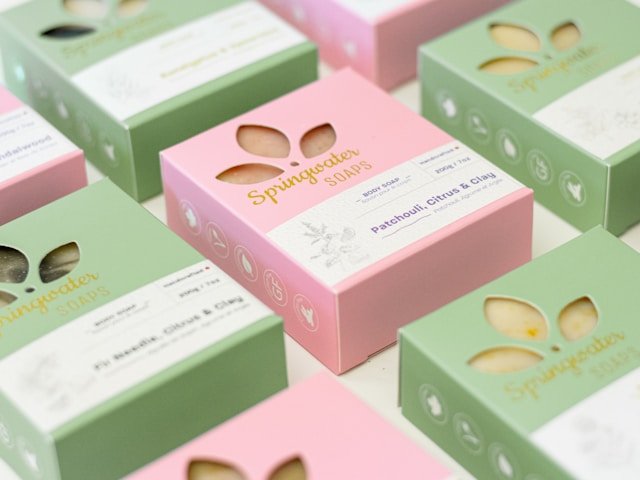
Shoppers can look for packaging features such as refillable containers, materials made from post-consumer recycled content, glass packaging, and, where available, options that eliminate packaging entirely. These choices can help reduce the necessity for new plastic production, fostering a more sustainable approach to beauty and personal care.
Navigating Eco-Conscious Shopping
Making eco-friendly cosmetic choices can be straightforward by keeping several key factors in mind:
- Seek third-party certifications: Certifications can provide valuable insights into a product’s sourcing, safety, and ethical standards.
- Emphasize transparency: Brands that are open about their ingredients, sourcing, and manufacturing processes are typically easier to assess than those that rely heavily on vague marketing terms.
- Opt for sustainable packaging: Refillable containers and minimalistic packaging can curtail waste. Consumer demand for better packaging options is robust, with 81% of shoppers advocating for brands to reduce plastic usage continuously.
- Examine labels thoroughly: Terms such as “natural” and “green” can be misleading without supporting details. Reviewing ingredient lists and sustainability practices can provide greater clarity regarding a product’s environmental impact.
Embracing Sustainable Beauty Practices
Opting for eco-friendly cosmetics empowers consumers to promote personal wellness and environmental stewardship with their daily choices. By focusing on ingredient quality, packaging sustainability, and brand transparency, shoppers can make more informed selections and feel more aligned with their values in their beauty routines.