

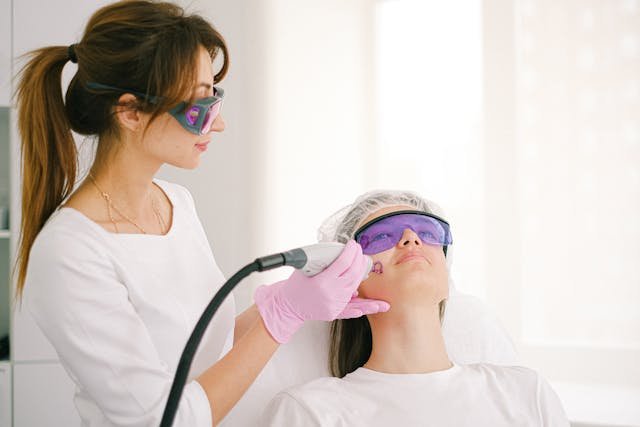
In recent years, skin treatments have transitioned from a luxury mainly enjoyed by celebrities to a mainstream phenomenon. Strolling through any urban clinic, you’ll likely encounter busy schedules, waiting lists for in-demand procedures, and clients of various ages seeking skin enhancements without resorting to surgical options.
A significant factor in this change is the shift in attitudes towards skincare. Nowadays, individuals are prioritizing preventative measures over corrective treatments, aiming for healthier skin rather than attempting to undo years of damage later. While social media has played a significant role in this shift, the increasing desire for effective treatments with minimal recovery time has also been a major influence.
Moreover, the aesthetics industry is experiencing unprecedented growth. Recent reports indicate that the aesthetics market in the UK is valued in the billions and continues to expand, especially in the sectors of non-surgical and injectable treatments. What once was a niche category is now an integral aspect of modern beauty and wellness culture.
So, what procedures are gaining traction among consumers?
The Enduring Popularity of HydraFacial
Among the various treatments available, HydraFacial stands out as a universally acknowledged option.
Clinics nationwide consistently promote HydraFacial as the leading choice for achieving brighter, cleaner, and more hydrated skin—and it’s not hard to understand its appeal. This treatment integrates cleansing, exfoliation, extraction, and hydration within a single session, making it particularly attractive for those who seek visible results without delay.
The reason for HydraFacial’s sustained popularity lies in its accessibility. There’s no daunting recovery period, no excessive peeling, and no requirement to stay indoors for days afterward. Many clients opt for it during their lunch breaks and return to work looking revitalized.
It has also become a go-to choice for special occasions like weddings and vacations, as it provides that instant glow many desire. Further, it is suitable for a variety of skin types, making it a versatile option.
Interestingly, online discussions signal that an increasing number of people are integrating HydraFacial into a broader skincare regimen rather than viewing it as an occasional indulgence. It often complements other treatments like microneedling, LED therapy, or laser resurfacing as part of a comprehensive skincare strategy.
Microneedling: More Than Just a Fad
While microneedling has existed for quite some time, its popularity has surged, especially among those interested in enhancing collagen production and refining skin texture.
The concept is rather straightforward: tiny controlled injuries are inflicted on the skin, prompting the body to heal itself and stimulate collagen production. The outcome is a smoother complexion, softened acne scars, minimized pores, and an overall rejuvenated appearance over time.
Radiofrequency microneedling, commonly referred to as RF microneedling, advances this method by combining traditional microneedling with heat energy, effectively targeting skin tightening and deeper rejuvenation simultaneously.
Notably, the demographics seeking these treatments have broadened. It’s not solely individuals aiming to counteract visible aging; younger clients are increasingly opting for collagen-stimulating therapies early on as a preventative strategy, seeking to maintain skin quality over time.
Treatments such as Morpheus8 have gained significant traction in the UK, as they offer noticeable effects without the commitment and recovery typically associated with surgical options.
Botox Remains a Staple
Despite a continuous influx of new treatments, Botox continues to be a cornerstone in the UK aesthetics scene.
This likely comes as no surprise. Anti-wrinkle injections rank among the most frequently scheduled cosmetic procedures, with hundreds of thousands performed annually. Nonetheless, people’s approach to Botox has evolved considerably.
The previously favored “frozen” appearance associated with cosmetic injectables is becoming less desirable. Today’s clients generally seek natural-looking results that allow for subtle movement and softer lines, leaving onlookers uncertain of any enhancements.
This is where Baby Botox enters the scene. Smaller, targeted doses aim to soften expressions rather than eliminate them entirely. It has gained significant popularity, especially among younger adults who view injectables as a proactive measure rather than a corrective one.
Forehead lines and crow’s feet are consistently the most requested areas, although there has been a noticeable rise in demand for jawline slimming and masseter Botox as well.
Concurrently, discussions surrounding safety and regulatory measures have amplified. As the industry expands, concerns about unregulated practitioners and counterfeit products are increasing. Clients are becoming more discerning about whom they trust with their injectable treatments, and rightfully so.
Regenerative Treatments Are on the Rise
One of the most rapidly growing segments in aesthetics is regenerative skin treatments.
Skin boosters, collagen enhancers, and polynucleotides have surged in popularity. Clinics are aggressively promoting them, beauty influencers are raving about them, and search interest across the UK has increased significantly in the past year.
The appeal of these treatments lies in their focus on improving skin quality rather than altering facial structure. Rather than adding volume as fillers do, these therapies enhance hydration, elasticity, and overall skin health gradually.
This softer, more refreshed appearance has become highly sought after as beauty trends shift away from overly sculpted features towards a preference for healthy, natural skin.
Polynucleotides, in particular, are a hot topic in the industry. Many clinics branding them as regenerative solutions that aid in deep skin repair and rejuvenation align well with the glass skin trend that’s currently influencing global skincare practices.
Additionally, treatments like Profhilo and Sculptra are experiencing substantial growth, particularly among clients seeking subtle rejuvenation without overt cosmetic alterations.
Laser Treatments Gain Mainstream Acceptance
For a long time, laser treatments were perceived as intimidating. That perception has shifted dramatically.
Technological advances have made modern laser procedures more efficient, precise, and easier to recover from, making them more accessible to the general public.
Common reasons individuals seek laser treatments in UK clinics include pigmentation, acne scars, redness, uneven texture, and sun damage. Increasingly, patients are employing laser treatments as a preventative skincare measure, maintaining their skin quality proactively.
This trend is mirrored in the clinical landscape. According to Adsum Aesthetics, a medically guided skin clinic in Buckinghamshire, laser treatments have surged by 24% this year—a clear indication that the demand for non-invasive skin-enhancing procedures is on the rise throughout the UK.
Another factor contributing to their appeal is that laser treatments often yield results that accumulate progressively over time. Instead of providing a quick fix, these procedures enhance the skin gradually, aligning beautifully with the modern preference for more natural enhancements.
Many clinics are now offering tailored treatment plans that incorporate laser resurfacing alongside injectables, facials, and collagen-stimulating options, rather than relying on standalone treatments alone.
Growing Interest in Non-Invasive Tightening Techniques
Recognizing that not everyone desires injectables or surgical options, clinics are catering to this demand.
This is one reason modalities like LED therapy, radiofrequency tightening, and HIFU have rapidly gained popularity. They attract individuals seeking firmer, healthier skin without the use of needles, extensive downtime, or drastic cosmetic alterations.
LED light therapy, in particular, has gained visibility thanks to social media and various celebrity skincare regimens. Devices for red light therapy are now commonplace in clinics and home beauty routines.
HIFU and radiofrequency techniques are also appealing to those interested in preventative measures, aiming to slow visible aging before it becomes evident.
Perhaps the most significant trend uniting the entire industry is the focus on prevention.
A Shift Towards Natural Aesthetic Results
Historically, the aesthetics industry has been linked with dramatic alterations—think larger lips, defined cheekbones, and frozen expressions that blatantly signaled cosmetic interventions.
That trend has begun to wane.
Present-day clients typically seek healthier skin, refreshed features, and refined adaptations that retain their natural appearance. The objective now centers on looking rejuvenated, healthy, and genuine rather than striving for a conventional notion of perfection.
This evolution has shaped nearly all treatment trends across the UK. Clinics are increasingly emphasizing skin quality, collagen enhancement, and long-term maintenance instead of overt enhancements.
Interestingly, social media has played a part in this transition. The same platforms that once promoted heavily filtered ideals are now fostering a desire for more authentic results.
As treatments advance and become more widely accessible, the industry is likely to continue on this path—focusing less on radical transformations and more on sustaining healthy skin for as long as possible.
Given the current levels of interest, this new direction appears to be a lasting trend.