

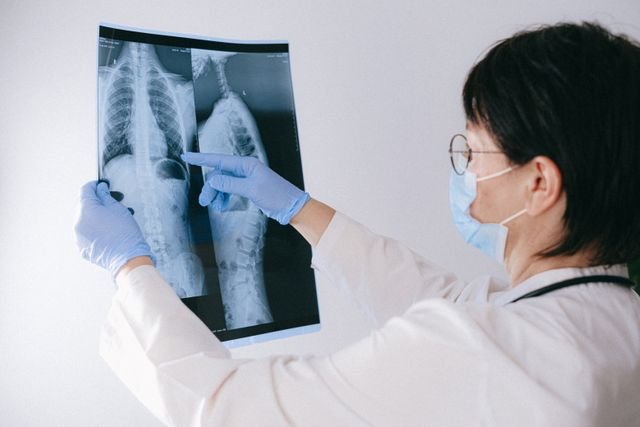
Receiving a lung cancer diagnosis can be daunting, but many individuals derive solace from creating a comprehensive wellness strategy that nurtures both their physical and mental health. In conjunction with conventional medical treatment, the importance of nutrition, regular physical activity, stress management, and complementary therapies has become increasingly recognized for their potential to sustain strength, enhance quality of life, and actively involve individuals in their healing process. An effective holistic approach typically emphasizes reducing inflammation, bolstering immune function, and empowering patients throughout their treatment journey.
Prioritize Nutrition to Aid Recovery
Nutrition serves as one of the most vital assets when facing health challenges. A diet rich in nutrients can bolster energy levels, help maintain muscle mass, and supply essential vitamins and minerals during treatment. Many individuals focus on incorporating vibrant fruits and vegetables, healthy fats from sources such as avocados and olive oil, high-quality proteins, and fiber-rich foods that enhance digestive health.
Additionally, some people investigate specialized nutritional strategies that reduce processed foods while enhancing whole-food intake. Each individual’s response may vary, but ensuring adequate nutrition can help the body remain strong and better equipped to manage physical demands. Consulting with knowledgeable healthcare professionals can facilitate the development of a tailored plan that aligns with personal needs and aspirations.
Investigate Integrative and Complementary Care Alternatives
Many individuals opt to supplement traditional care with various therapies aimed at fostering overall wellness. Options such as acupuncture, massage therapy, nutritional counseling, herbal remedies, and hyperthermia treatments have gained popularity among those pursuing a comprehensive healing approach.
Some may even explore specialized wellness centers that provide integrative cancer support programs. For instance, alternative lung cancer treatments in Tijuana have attracted attention, featuring clinics that merge nutrition, detox protocols, immune-enhancing therapies, and individualized wellness strategies. These programs often focus on treating the entire person rather than merely addressing the illness.
The allure of integrative care often stems from its holistic perspective. Rather than examining health through a singular lens, these methods frequently consider lifestyle, emotional health, nutrition, physical activity, and environmental aspects as interconnected parts of the recovery process.
Incorporate Stress Reduction and Mind-Body Techniques for Wellbeing
A cancer diagnosis affects more than just physical health; the emotional toll can be substantial. This is why many individuals integrate relaxation methods into their daily habits. Techniques such as meditation, guided imagery, breathing exercises, yoga, and prayer can foster a greater sense of peace and control.
The rising popularity of mind-body practices indicates a collective desire to address emotional and spiritual health alongside physical attention. Many individuals report that these strategies help them stay centered during medical appointments, treatments, and unpredictable times.
Even simple activities like spending time outdoors, journaling, listening to music, or joining support groups can provide significant emotional support. Establishing a daily routine that includes elements of reflection and relaxation might enhance overall balance throughout the treatment experience.
Maintain Physical Activity When Feasible
Staying physically active is crucial for preserving strength and mobility. While energy levels may fluctuate, gentle exercise can support circulation, muscle functioning, flexibility, and overall wellness.
Walking is often one of the most accessible forms of exercise. Others may find joy in swimming, stretching routines, tai chi, or low-impact fitness classes tailored for those facing health difficulties. The objective is not necessarily intense exercise but rather consistent movement that feels manageable and sustainable.
Engaging in physical activity can also yield emotional advantages. A brief walk, time spent in nature, or a gentle stretching session can uplift mood and foster a sense of achievement. Over time, these modest efforts can contribute to sustaining independence and building self-confidence.
Establish a Robust Support Network
No one should navigate a significant health challenge alone. Family, friends, support groups, faith communities, and wellness practitioners can all play crucial roles throughout treatment. Having companions to talk to, request assistance from, or simply enjoy time with can make a substantial impact.
Support networks also provide practical help, such as transportation to medical appointments, meal preparation, household chores, and emotional encouragement, which can alleviate stress and enable individuals to concentrate more on their health and recovery.
Many find solace in connecting with others who have undergone similar experiences. This shared understanding can cultivate a sense of community that is often hard to find elsewhere.
Confronting lung cancer entails more than just a singular treatment plan. A comprehensive strategy that incorporates nutrition, physical activity, integrative therapies, emotional health, and strong social support can together foster resilience, strength, and an enhanced quality of life.