

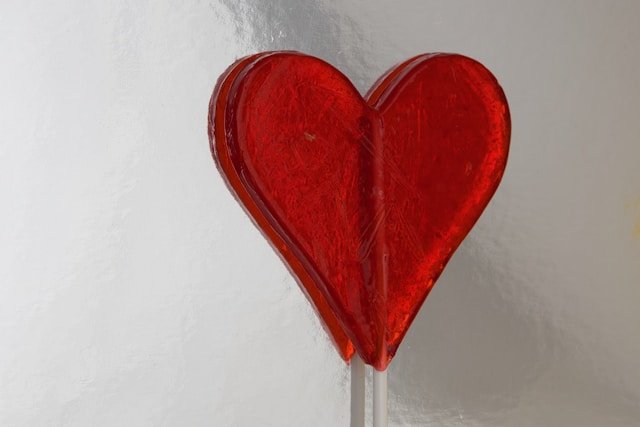
Synthetic food colorings, such as red dye 40, are frequently employed to enhance the visual appeal of various products. However, this popular additive has sparked health debates, primarily rooted in older studies. Learn more about what red dye 40 is and the concerns tied to its use.
What Is Red Dye 40?
Red dye 40 is a synthetic food coloring derived from petroleum, resulting from a reaction involving sulphonic acids. The FDA mandates that any item containing this ingredient must disclose it on the label, which can also be recognized by several other names:
- Red 40
- Red 40 lake
- FD&C red No. 40 aluminum lake
- FD&C red No. 40
- Allura red AC
- CI food red 17
- Artificial color added
- Color added
- Artificial colors
Similar to other artificial dyes, its primary function is to provide a consistent and attractive color in processed foods, which correlates with its vibrancy levels. You’ll often find red dye 40 in an array of items, including:
- Chips
- Jell-O
- Cereals
- Candy
- Cakes
- Flavored dairy products
- Sports drinks
- Soda
- Energy drinks
What Are The Risks Of Red Dye 40?
The general consensus is that Red 40 is safe for consumption, yet its safety has been a hotly debated subject, particularly regarding hyperactivity concerns in children. The differing standards among countries can create confusion. For instance, both the FDA in the United States and the European Food Safety Authority (EFSA) have differing stances on synthetic dyes.
Although the FDA considers red dye 40 safe for public consumption, EFSA has prohibited its use due to potential negative impacts on concentration and an increase in hyperactivity in children. Historical studies have also indicated that this dye contains substances like p-credine and benzidine, which have links to cancer.
Moreover, there are ongoing concerns regarding potential side effects, including migraines and allergic reactions. Although red dye 40 is among the four food dyes known to elicit allergic responses, such incidents are uncommon and typically mild.
What Are Alternatives To Red Dye 40?
There are several natural alternatives that can liven up your food without the risks associated with synthetic dyes. Here are some healthy substitutes for red dye 40:
Beet Juice
This all-natural dye offers a vibrant ruby-red color that enhances desserts like red velvet cake or ice cream. It has a subtle flavor that complements sweetness without overpowering it. Additionally, beet juice is packed with antioxidants that may help mitigate oxidative stress and boost cognitive health.
Hibiscus
Dried hibiscus flowers not only make delicious tea but also serve as a natural pigment. Rich in anthocyanin, a beneficial food coloring, hibiscus may help with liver function, alleviate diarrhea, and combat common colds.
Tomatoes
This commonly available ingredient provides an excellent alternative for food dye. Tomatoes contain lycopene, an antioxidant that protects the skin from sun damage and nourishes it from inside. Tomato sauce or paste can effortlessly add a red tint to sauces and soups.
Strawberries
With their natural sweetness, strawberries make a perfect option for coloring desserts. They yield an intense red hue that can be used in food as well as dye for fabrics. Like hibiscus, strawberries are rich in anthocyanins and also contain malic acid, which has properties that may help remove teeth stains.
Consume Red Dye 40 In Moderation
The debate around red 40 is ongoing. While the FDA deems it safe for use, some studies suggest otherwise, predominantly dating back several decades. Further research is essential to conclusively address the health risks associated with this dye. For the time being, opting for natural alternatives can allow you to achieve similar visual results in your foods.