

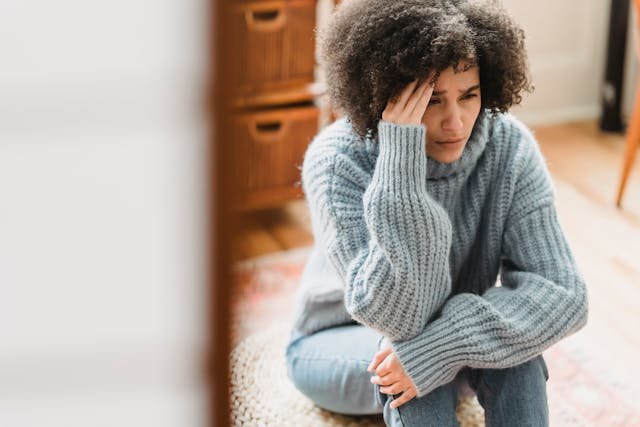
In contrast to typical headaches, menstrual migraines are influenced by hormonal fluctuations and often result in more intense, prolonged discomfort. While prescription options exist, many individuals choose to manage their menstrual migraine pain naturally within the comfort of their home.
Understanding Menstrual Migraines
Menstrual migraines are a specific type of headache that arise around the time of menstruation, typically occurring two days prior to the onset of your period or during the early days of bleeding. These migraines can be more severe and last longer than standard migraines, largely due to hormonal changes, especially the decline in estrogen right before menstruation begins.
Key triggers and exacerbating factors include:
- Rapid decline in estrogen levels
- Natural hormonal variations throughout the menstrual cycle
- Hormonal contraception or replacement therapies
- Irregular meal patterns
- Inadequate sleep during your menstrual cycle
- Stress or psychological strain
- Exposure to bright lights or loud sounds
- Insufficient hydration
- Withdrawal from caffeine
- Inconsistent sleep
- Consumption of certain foods like aged cheese or processed meats
- Alcohol intake
Effective Home Remedies for Menstrual Migraines
You don’t need to endure the pain alone or solely depend on pharmaceutical options. These home remedies can help alleviate discomfort, support your well-being, and provide relief.
CEFALY Connected Device
If chronic migraines plague you and you seek a non-drug solution, the Connected device from CEFALY is worth considering. This FDA-cleared wearable is crafted for both the prevention and acute treatment of migraines. It sends gentle electrical pulses through an electrode situated on the forehead, stimulating the trigeminal nerve associated with migraine pain. With a companion app, you can monitor your sessions and progress.
This innovative device can be a valuable addition to your migraine management toolkit. Plus, a 90-day risk-free trial allows you to evaluate its effectiveness. Its non-invasive and home-based approach makes CEFALY Connected an attractive option for those wanting consistent relief.
Magnesium Supplements
Research indicates that magnesium supplements are beneficial for preventing migraines, especially those linked to menstruation. Studies show women prone to hormone-induced migraines often exhibit lower magnesium levels.
To utilize magnesium effectively, consider taking magnesium glycinate or citrate in the suggested daily dosage about 7 to 10 days ahead of your period, continuing through the early days of menstruation. This mineral aids in regulating blood vessel function, easing muscle tension, and calming the nervous system—critical elements in avoiding migraines. If you prefer dietary sources, include foods rich in magnesium like leafy greens, nuts, seeds, or some dark chocolate in your diet.
Essential Oils
While essential oils are not a universal remedy, they can provide immediate relief when used correctly. Peppermint oil, rich in menthol, offers a cooling sensation that relaxes the muscles of the head and neck. Lavender oil is also popular due to its soothing and anti-inflammatory effects.
Combine a few drops of essential oil with a carrier oil, such as coconut or jojoba oil, and gently massage it onto your temples, forehead, or neck. Alternatively, you can diffuse the scent for calming effects. Many individuals find this simple home remedy effective during menstrual migraines.
Cold Compression
Applying a cold compress is a swift and non-drug method to alleviate pain. The cold therapy can constrict blood vessels and dull sensations, providing a break from intense pain.
Use an ice pack or a frozen vegetable bag on your forehead or the nape of your neck for several minutes. Repeat as necessary throughout the day, particularly during the onset or peak of the migraine when discomfort is most acute.
Moderate Caffeine Consumption
A moderate amount of caffeine may help alleviate migraine pain during its early stages. It is commonly found in certain over-the-counter migraine medications due to its ability to constrict blood vessels and enhance pain reliever absorption, such as ibuprofen.
However, excessive caffeine may worsen symptoms, so it’s wise to limit consumption to one small cup of coffee or black tea. If you regularly consume caffeine, avoid abrupt cessation, as withdrawal can trigger headaches.
Gentle Exercise and Yoga
While engaging in physical activity might seem daunting during a migraine, gentle movements can help reduce the frequency of migraines when included in your routine. Activities like yoga, pilates, light stretching, and walking can foster relaxation and enhance circulation.
Specific yoga postures—such as child’s pose, seated forward bend, or lying back with legs elevated against the wall—can relieve tension in the head, neck, and shoulders. Dedicating 15-20 minutes several times a week to gentle activity may result in fewer and less severe migraine occurrences. Incorporating low-key movement into your lifestyle can be an effective menstrual migraine strategy at home.
Herbal Teas
Herbal varieties such as ginger, feverfew, and chamomile are renowned for their headache-relieving properties. Ginger tea offers anti-inflammatory benefits and may alleviate migraine-associated nausea. Feverfew has been studied for its potential to prevent and alleviate migraine frequency, while chamomile aids relaxation and sleep—both crucial components in managing migraines.
Enjoy a warm cup of herbal tea at the first indication of a migraine or as a soothing evening ritual during your menstrual cycle. Pairing it with a few pieces of dark chocolate can create a delightful nighttime experience.
Staying Hydrated
Dehydration is a common and often underappreciated trigger for migraines. Hormonal changes during your cycle can influence fluid retention in the body, making adequate hydration essential. Aim to drink at least eight to ten cups of water daily, potentially more if you exercise or sweat excessively. Electrolyte-rich beverages like coconut water can also be beneficial, especially when you feel particularly worn out. This simple practice can have a notable impact on your well-being.
Over-the-Counter Pain Relief
In many cases, conventional solutions are both simple and effective. Non-steroidal anti-inflammatory medications (NSAIDs) such as Advil or Aleve can alleviate migraine pain and swelling. Ideally, these medications are most effective when taken at the first onset of discomfort.
To some, initiating NSAIDs preventively a day or two before their period begins and continuing for a few days during their cycle relieves menstrual migraines effectively. However, always adhere to recommended doses to prevent gastrointestinal issues, and consult with your healthcare provider if you’re on other medications or encounter unexpected reactions.
Relaxing Baths or Showers
While cold packs can mitigate head pain, warm water can relieve body tension and foster relaxation, particularly when associated with menstrual cramps or other discomforts. Consider soaking in a warm bath with Epsom salts, which contain magnesium sulfate. This combination can alleviate muscle stiffness and promote relaxation, potentially lessening migraine duration. A warm shower in a dimly lit, quiet space can also offer respite during painful episodes.
Acupressure Techniques
Acupressure is an ancient practice rooted in traditional Chinese medicine that involves applying pressure to specific body points to alleviate pain and alleviate tension.
A widely recognized pressure point for headache relief is L14 (also known as Hegu), located between the thumb and index finger. Pressing and gently massaging this area for a few minutes on each hand can lead to reduced migraine severity for some individuals.
Sleep Health
Hormonal migraines often arise when your body is stressed or out of equilibrium. Prioritizing good sleep hygiene is among the most effective long-term strategies for reducing migraines. Maintain a cool, quiet, and dark bedroom environment, and aim to sleep and wake up consistently every day.
Limiting screen exposure one hour before sleep and avoiding caffeine after midday can also be helpful. Addressing poor sleep habits may alleviate menstrual migraines, making a healthy sleep routine a beneficial at-home treatment.
Monitoring and Managing Symptoms
Tracking your symptoms can be a powerful ally in managing menstrual migraines. By understanding patterns related to your cycle and recognizing triggers, you can develop a more tailored approach to achieving relief.
Start documenting your migraines using a journal or an app, noting the following details:
- The onset and end dates and times of your migraine
- Your menstrual cycle day
- Pain intensity levels
- Any preliminary signs such as light sensitivity, changes in vision, nausea, or mood alterations
- Food and drink consumption
- Total hours of sleep
- Stress levels
- Measures taken and their effectiveness
Over time, this accumulated information can help identify trends and clarify what triggers your migraines, whether hormonal drops, missed meals, dehydration, or sleep deprivation. Understanding these patterns allows you to optimize the timing of home remedies, like magnesium or essential oils, for maximum impact.
Moreover, if medical intervention is required, well-documented notes enable your doctor to provide tailored treatments or preventive measures relevant to your body’s specific requirements.
Conquer Your Monthly Migraines
Each individual’s experience with migraines is unique, and what effectively alleviates symptoms for one may not work for another. The goal is to construct a diverse toolkit of strategies to rely on when menstruation arrives. Experiment with these at-home treatments for menstrual migraines to discover what provides you with the best relief.