

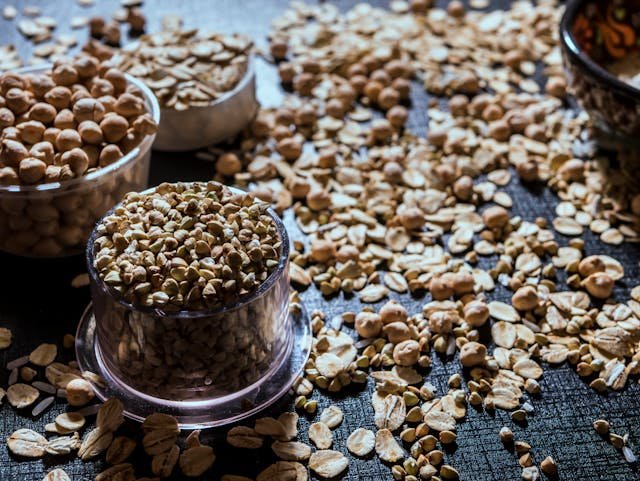
Ancient grains are garnering increasing attention, and it’s easy to see why! These grains, rich in nutrients and cultivated for millennia, provide a wealth of health advantages.
In contrast to contemporary grains that undergo extensive processing, ancient grains generally remain unmodified and preserve a greater amount of their vital nutrients, which are beneficial for your health.
Here are ten compelling reasons to seek out an ancient grains supplier and incorporate these grains into your meals!
1. Nutrient Richness
Ancient grains are incredibly rich in essential nutrients. They serve as excellent sources of vitamins, minerals, and antioxidants.
For example, quinoa boasts high levels of magnesium, iron, and vitamin B6, while farro provides ample zinc, niacin, and iron. These nutrients are vital for maintaining overall health, supporting immune function, and enhancing skin health and energy levels.
2. Abundant Fiber
A key characteristic of ancient grains is their outstanding fiber content. Grains such as barley, bulgur, and spelt are rich in dietary fiber, essential for digestive wellness.
Fiber aids in regulating bowel movements, preventing constipation, and sustaining a healthy gut microbiome. Furthermore, a fiber-rich diet is associated with a reduced risk of heart disease, type 2 diabetes, and several types of cancer.
3. High Protein Levels
Numerous ancient grains offer substantial plant-based protein, making them vital for vegans and vegetarians. Quinoa, for instance, is recognized as a complete protein since it includes all nine essential amino acids that the body cannot synthesize independently. By adding these grains to your diet, you assist in tissue repair, enzyme production, and overall muscle health.
4. Gluten-Free Alternatives
For individuals with celiac disease or gluten sensitivity, ancient grains such as quinoa, amaranth, and millet serve as excellent alternatives to wheat and other gluten-containing grains.
These grains provide similar nutritional value without the adverse reactions, making them safe and nutritious options for those avoiding gluten.
5. Antioxidant Rich
Ancient grains are loaded with antioxidants, which combat oxidative stress and help shield the body from chronic illnesses. Varieties like teff and sorghum are rich in compounds such as phenolic acids and flavonoids that can significantly lower inflammation and the risk of chronic conditions, including heart disease and cancer.
Incorporating these grains into your diet enhances your long-term health.
6. Eco-Friendly Farming
Ancient grains are frequently cultivated using traditional agricultural methods that are more sustainable and environmentally conscious compared to modern practices.
These grains generally require fewer resources like water and synthetic fertilizers, making them a greener option. By integrating ancient grains into your diet, you support agricultural diversity and endorse sustainable food production.
7. Culinary Flexibility
In addition to their health benefits, ancient grains are incredibly versatile in the kitchen. They can be featured in a wide array of dishes, ranging from salads and soups to main meals and desserts. This flexibility allows you to easily incorporate these grains into your diet in interesting and tasty ways.
8. Low Glycemic Index
Many ancient grains possess a low glycemic index (GI), meaning they have a gradual effect on blood sugar levels. This characteristic is especially advantageous for individuals with diabetes or those striving to regulate their blood sugar, as it helps to prevent spikes and dips, leading to sustained energy levels throughout the day.
Barley and quinoa are prime examples of low-GI ancient grains to consider integrating into your diet.
9. Promotes Heart Health
Integrating ancient grains into your meals can significantly benefit heart health. The high fiber content in grains like barley and oats contributes to reduced cholesterol levels, which is crucial for lowering the risk of heart disease.
The antioxidants and anti-inflammatory properties found in these grains also enhance cardiovascular wellbeing. Consistently including these grains in your diet can help sustain heart health and lower the risk of heart-related issues.
10. Aids in Weight Management
Ancient grains can be immensely beneficial for those on a weight management journey. Their high fiber and protein levels promote satiety, aiding in appetite control and potentially reducing overall calorie consumption.
Unlike refined grains that may cause quick fluctuations in blood sugar levels, ancient grains offer sustained energy and help prevent overeating. Including these grains in your meals can promote healthy weight loss or maintenance.
Integrating ancient grains into your diet provides a myriad of health benefits, including enhanced nutrient absorption, improved digestive health, cardiovascular benefits, and support for sustainable agricultural practices. With their versatility and delicious taste, they are simple to incorporate into your daily meals.
Whether you aim to manage high blood pressure, support weight goals, or simply enjoy a more balanced and varied diet, ancient grains are a wonderful addition!