


Maintaining a nutritious, well-rounded diet typically provides sufficient protein for a healthy lifestyle. However, for those focused on muscle development, achieving the necessary higher protein intake can become more complex. This is where protein powders come into play, serving as an easy and efficient method to enhance your protein consumption and help you reach your muscle-building aspirations.
Protein supplements serve as a concentrated source of high-quality protein, which is vital for muscle recovery and growth. After exercising, muscles require a significant amount of amino acids to heal and strengthen. Protein supplements offer these amino acids promptly and effectively, ensuring your muscles receive essential nutrients when they need them most. Additionally, using protein supplements can help you achieve your daily protein goals without the added calories and effort of ingesting larger servings of whole foods, thus simplifying the process of maintaining a balanced diet while pursuing your fitness ambitions.
Choosing the right protein supplement can be daunting given the numerous options available online. As you explore different protein powders, you’ll likely encounter a variety of products that can assist with various objectives, such as weight loss, muscle gain, post-exercise recovery, or meal replacements. Familiarizing yourself with the different types and their individual benefits will enable you to pick the most suitable protein powder tailored to your specific requirements.
Whey Protein
Extracted from cow’s milk, whey protein is a well-liked choice among protein supplements. Renowned for its rapid absorption and superior amino acid profile, it has earned a strong reputation. Whey protein contains all nine essential amino acids the body requires, qualifying it as a “complete” protein. It is particularly rich in leucine, an amino acid crucial for muscle growth and repair.
The nutritional content of whey varies based on its processing method. There are three primary forms: whey isolate, whey concentrate, and whey hydrolysate.
Whey Isolate
Whey isolate consists of as much as 90% protein. It undergoes extensive filtration to minimize fats and carbohydrates, resulting in a product with a higher protein concentration. However, this processing can strip away some macro- and micronutrients, leading to a loss of certain health benefits.
Whey Concentrate
Less processed than its isolate counterpart, whey concentrate tends to be more affordable and retains a greater nutritional profile. It naturally contains macro- and micronutrients, enhancing its overall health benefits, and is the densest in calories. While whey isolate has more protein, whey concentrate is often deemed healthier, aiding muscle recovery due to its rich nutritional content.
Whey Hydrolysate
Whey hydrolysate can be derived from protein isolates or concentrates and is subjected to heat, which can degrade some amino acids and enzymes. This alteration facilitates easier absorption in the stomach, promoting a quicker recovery for your muscles.
Casein Protein
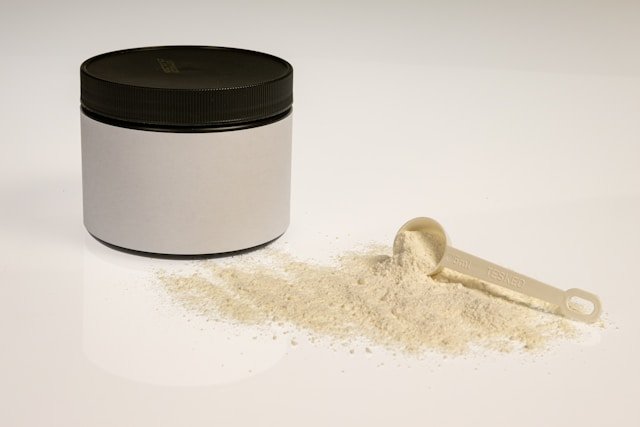
Also derived from cow’s milk, casein protein is characterized by its slow digestion, making it an ideal option for a prolonged release of amino acids. This slow absorption is particularly beneficial during fasting periods like overnight, and incorporating casein protein before bed can aid muscle repair throughout the night.
Plant-Based Protein
For those adhering to vegetarian or vegan diets, plant-based protein powders serve as excellent alternatives.
Pea Protein
Pea protein is a complete protein source, containing all essential amino acids. It is often suitable for individuals with dietary restrictions due to its easy absorption.
Rice Protein
Unlike its counterparts, rice protein does not boast a complete amino acid profile and is typically combined with other plant sources to enhance its effectiveness in promoting muscle growth and recovery.
Hemp Protein
A nutrient-rich option, hemp protein provides a complete amino acid profile. It has a distinct nutty flavor and is gentle on sensitive digestive systems.
Egg Protein
Derived from egg whites, egg protein offers a full protein source. It’s a suitable choice for those who are lactose intolerant or prefer a low-carb protein powder.
Soy Protein
Extracted from soybeans, soy protein is a common choice for vegetarians and vegans. It is a complete protein, providing all essential amino acids. Studies have investigated soy protein’s potential health benefits, including cholesterol reduction and enhanced heart health, along with being a rich source of plant-derived calcium and iron.
Rice-Pea Protein Blend
The combination of rice and pea proteins yields a complementary amino acid profile akin to that of animal protein sources. Many people find this mix to be easily digestible and a comprehensive protein source. This blend is particularly favorable among those seeking plant-based proteins due to its optimal balance of essential amino acids.

What to Consider?
When shopping for protein powder online, there are additional factors to keep in mind.
Minimal Ingredients
A product with fewer ingredients is often less likely to contain fillers, artificial additives, and unnecessary components, ensuring you receive a pure and high-quality protein source. Simple formulations are also usually easier to digest and absorb; overly complex blends may lead to digestive discomfort, including bloating or gas.
No Added Sugars
Incorporating protein powder into a fitness regimen can become counterproductive with added sugars, which provide rapid energy instead of the slow-release energy needed for sustained physical activity and recovery. Choosing protein powder without added sugars enables you to control the sweetness and flavor by adding natural sweeteners or fruits.
No Hydrogenated Oils
Hydrogenated oils often contain trans fats, which are known to elevate LDL (bad) cholesterol while lowering HDL (good) cholesterol levels. Such trans fats can increase the risk of heart disease and stroke. Additionally, they are linked to increased body and abdominal fat, which can hinder those aiming to maintain a healthy weight.
Higher Protein Content Per Serving
A protein powder with higher protein content per serving can lead to cost savings by helping you meet your protein needs with less product. Furthermore, protein is more satiating than carbohydrates and fats, so a protein-rich powder can aid in feeling full longer, helping to manage appetite and reduce the chances of overeating.