

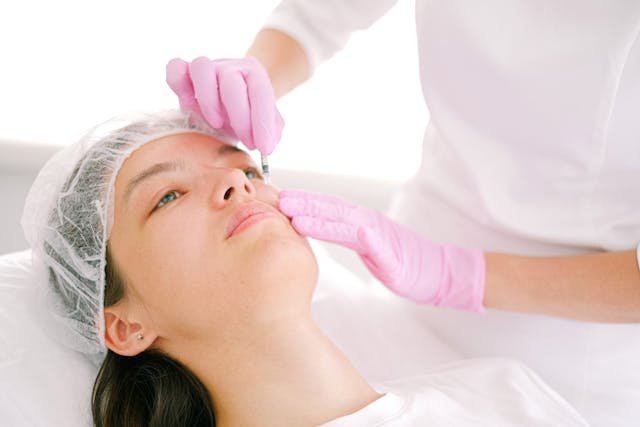
Although Botox is often associated with fewer wrinkles and smoother skin, the implications reach much deeper. An intricate relationship exists between how we perceive ourselves and our emotional health. The psychological effects of Botox contribute significantly to enhancing self-confidence and overall mental well-being, offering transformative benefits that go beyond mere aesthetics.
The Connection Between Mind and Body in Aesthetic Treatments
Extensive research has explored the ties between physical appearance and emotional health across the globe. Studies repeatedly illustrate that improved self-image correlates with heightened self-esteem, social confidence, and greater life satisfaction.
Insights from various medical journals indicate that cosmetic procedures yield substantial mental health benefits. A detailed study revealed that individuals who received aesthetic treatments, such as Botox, noted increased self-worth, diminished social anxiety, and an elevated quality of life. These outcomes imply that the advantages of such treatments reach beyond surface-level enhancements.
Understanding Botox’s Impact on Emotional Health
One intriguing element of Botox treatments is encapsulated in the “facial feedback hypothesis.” This concept posits that our facial expressions not only mirror our feelings but can also shape them.
When we frown, the signals sent to our brain from contracted facial muscles can exacerbate negative emotions. Botox alleviates this by relaxing these muscles in key areas, like the forehead and between the eyebrows. This relaxation may disrupt cycles of negative emotional feedback, possibly leading to better moods and reduced anxiety.
Recent findings from UC San Diego analyzed the experiences of nearly 40,000 Botox recipients. The data revealed a significant reduction in anxiety levels—by 22 to 72 percent—among those treated with Botox compared to others receiving different interventions, independent of the injection’s location. This suggests that the psychological benefits extend beyond merely appearing youthful.
Boosting Confidence Through Improved Self-Image
Many individuals notice a surge in confidence following Botox treatments, impacting various facets of their lives. When individuals feel content with their appearances, they are more inclined to partake in social engagements, embrace new opportunities, and present themselves assertively.
This positive transformation is especially impactful for professionals within competitive sectors, such as the Miami business landscape. Patients frequently express feeling more assured during impactful situations, like presentations or networking events, after their treatments. The psychological uplift from feeling rejuvenated can lead to tangible enhancements in personal and professional relationships.
Psychological Perspectives on Aging
Aging can pose considerable psychological hurdles, as individuals may struggle with the emergence of fine lines or feel anxious about how they are perceived by others.
Botox provides an effective means to proactively tackle these issues. By smoothing existing wrinkles and preventing new ones, patients often feel a greater sense of control over the aging process, an element crucial for maintaining confidence throughout life’s various stages.
The Social Advantages of Increased Confidence
Confidence significantly enriches social interactions. Individuals who feel more secure in their appearance are inclined to establish eye contact, smile authentically, and engage genuinely with those around them. Such behavioral shifts can cultivate positive dynamics within social frameworks.
Many patients recount being more open to activities they once shied away from—whether it involves beach outings in South Florida, professional photography, or social gatherings involving photographs. This heightened social involvement often leads to notable improvements in overall quality of life and mental wellness.
Mental Health Gains Beyond Aesthetic Appeal
Recent investigations into Botox have unveiled its potential role in addressing mental health issues. Studies have indicated that Botox can alleviate symptoms related to depression and anxiety, even among individuals not primarily pursuing cosmetic benefits.
One investigation highlighted that patients experiencing depression who received Botox injections reported substantial mood enhancements lasting several months post-treatment. The observation has encouraged researchers to consider Botox as a potential supplementary approach for certain psychological ailments.
Such outcomes imply that the psychological advantages stemming from Botox treatment may function through various mechanisms—improving self-image while also directly influencing neurobiological pathways related to mood stability.
Setting Realistic Expectations
Though Botox offers meaningful psychological advantages, achieving success is largely contingent upon having realistic expectations and collaborating with skilled medical professionals. Top providers in Miami emphasize that the best results come from subtle, naturally enhanced changes rather than extreme alterations in appearance.
Patients who derive the greatest psychological satisfaction from Botox often regard it as one aspect of their overall wellness journey rather than a singular solution to deeper self-esteem complications. When integrated with positive lifestyle choices and proactive self-care, Botox can act as an effective ally in supporting confidence and mental health.
Enduring Psychological Effects
The confidence enhancement from Botox often transcends the physical scope of treatment, with many patients reporting that their initial boost in self-image helps foster enduring positive thought patterns and behaviors long after the treatments fade.
This psychological momentum proves especially beneficial for those battling anxiety or self-consciousness related to appearance. Experiencing the feelings associated with confidence enables patients to uphold such a mindset even between treatments.

Fostering Positive Life Changes
The psychological transformation often accompanying Botox treatment serves as a catalyst for additional constructive changes in patients’ lives. Heightened confidence can spur individuals to explore new career paths, refine fitness regimens, refresh their wardrobes, or generally invest in personal growth.
This holistic approach illustrates the interconnectedness of physical appearance, mental health, and overall life satisfaction. As one facet improves, it typically generates momentum for further positive transformations.
Implications for Professional and Personal Relationships
The confidence gained from Botox treatments can considerably influence both professional and personal relationships. In a business environment, increased self-assurance may enhance communication, foster leadership opportunities, and bolster performance during high-pressure scenarios.
In personal interactions, this confidence boost often leads to more genuine connections and increased comfort in both intimate and social contexts. Many patients report feeling more engaged and attentive in relationships when they are not burdened by worries related to their appearance.
Self-Care and Its Role in Mental Health
Opting for Botox treatment can signify an important self-care decision that communicates the message that personal well-being is a priority. This psychological benefit is meaningful; taking proactive measures to address concerns surrounding aging or appearance can foster a sense of autonomy and self-worth.
Maintaining a routine of Botox treatments can complement a broader self-care framework that includes physical fitness, nutritious eating, stress management, and other wellness practices. Viewed in this light, the psychological gains extend beyond the procedure itself, fostering a comprehensive approach to personal wellness.
The psychological implications of Botox unveil a fascinating link between external appearance and mental health. While the primary visible effects may be a reduction in wrinkles and smoother skin, the psychological changes that many patients undergo can be equally impactful. From improved self-confidence and enhanced social interactions to potential mental health benefits and elevated life satisfaction, Botox presents a unique blend of aesthetic and psychological enhancements.
Recognizing these psychological dimensions clarifies the rising popularity of Botox as a treatment option for individuals aiming not merely to enhance their look but to enrich their overall self-perception. When conducted by skilled professionals within a framework of realistic expectations and proper aftercare, Botox can serve as an essential tool in supporting both physical appearance and psychological health.
For numerous patients, the choice to undergo Botox treatment reflects more than just a cosmetic decision; it represents an investment in their self-esteem, self-image, and overall life quality. The resulting psychological benefits can inspire meaningful changes extending well beyond the treatment setting, contributing to a richer, more self-assured approach to life.