

Should you invest in your health now or postpone it? Do you aspire to be an energetic and vibrant elder who can play with your grandchildren in the park or outpaddle them on the water? Or would you prefer to gradually decline into inactivity?
Your retirement years can be a hallmark of joy and fulfillment, and advancements in modern science are enabling us to extend our lifespan. Ultimately, your health span depends on the choices you make. What will the quality of your later years look like?
Defying the effects of aging is a significant challenge. So, what steps can you take? Embracing habits such as proper hydration, maintaining a growth mindset, practicing intermittent fasting to encourage autophagy and enhance metabolic flexibility, meditating, engaging in strength training, focusing on mobility, performing zone 2 cardio, receiving consistent chiropractic adjustments, taking high-quality nutritional supplements, and ensuring restful sleep can all contribute significantly to your longevity.
Movement Is Key to Health
Physical activity is essential for a thriving life, where mobility greatly contributes to survival. Many health professionals advocate for aerobic exercises 5-6 days a week as we age, which often translates into monotonous routines like walking, biking, or jogging without a clear goal. It’s crucial to incorporate strength training into your routine at least 2-3 times weekly, complemented by cardio exercises that push you into a zone 2 heart rate, keeping you sweaty while still being able to converse. Activities such as brisk walking, hiking, cycling, and rowing are perfect examples. Even a day of hard labor in your garden counts toward this target.
If you’ve been away from a consistent workout routine for some time, here’s how to ease back in:
- Start with light to moderate aerobic exercises like walking, hiking, jogging, swimming, or biking, aiming for 20-30 minutes every other day during the first week or two.
- Gradually increase to 30 minutes daily for 5-6 days a week; depending on your starting fitness level, this phase might last between 1-3 months.
- Incorporate strength training into your regimen.
- Focus on stability training at least 4-5 times weekly.
Consult your physician before embarking on a new exercise regime.
Prioritize Quality Sleep
Studies have demonstrated that few things impact health as profoundly as quality sleep. Lacking sufficient rest can elevate oxidative stress, instigating a chain reaction that harms neuronal health. Have you noticed mental fog when sleep-deprived? Research indicates that subpar sleep can lead to neuron degeneration and bodily dysfunction. Here are some tips for achieving restorative sleep:
- Avoid electronics an hour before bedtime when possible.
- Use a blue light filter app on your devices or wear blue light-blocking glasses.
- Keep your sleeping environment cool and dark.
- Optimal temperature? Aim for 67-68 degrees Fahrenheit.
- How dark? Ideally, as dark as a ship’s cabin at night.
Foster Your Social Network
Building strong relationships with positive individuals is another crucial element of longevity. Research shows that married individuals tend to enjoy longer lives. However, it isn’t merely about having a spouse; nurturing meaningful friendships and connections with colleagues, family, mentors, coaches, and neighbors can greatly enhance your lifespan.
Continuous Growth Is Essential
Are you clear on your purpose, mission, values, and aspirations? What activities bring you relaxation? To truly live, it is vital to continue learning and growing.
Stress as a Major Health Factor
You can’t push yourself to the limit indefinitely. How often do you allow yourself to recuperate? Is this a daily routine, a few times each week, or something you seldom do?
How many responsibilities are you juggling? Are you overextended, emotionally drained, or suffering from burnout? Is boredom creeping in? Do you struggle to concentrate on what’s truly important? Do you find it difficult to quiet your mind?
Are you reliant on cortisol and adrenaline, feeling pressured by time constraints? Does it feel as though the world is racing ahead while you lag behind? Are you exhausted and in need of a nap? Do you wake up feeling refreshed and ready to face the day?
To enjoy a lengthy healthspan, thoughtful prioritization, planning, and time management are essential.
Mind and Body Connection
Maintaining emotional balance and a positive outlook is crucial for sustaining good health. You can lead a vibrant and active lifestyle, enjoy nutritious meals, and stay fit, or choose a reckless path that leads to frequent visits to the doctor—it’s entirely up to you.
Author Bio

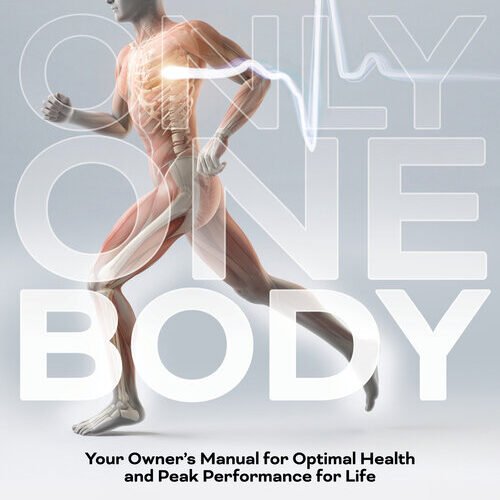
Dr. Matt Fontaine is an avid athlete with over 24 years of experience as a sports chiropractor. His practice in integrative physical medicine concentrates on precise diagnoses, swift recoveries, and optimizing performance. He has worked as a sports chiropractor in Major League Baseball and with the ART Ironman Triathlon Medical team. After completing his residency at the Texas Back Institute, he has dedicated over a decade to supporting the health of military personnel, veterans, and various governmental agencies. His upcoming book is titled “Only One Body” (Adjusted Inkworks, August 19, 2025). To learn more, visit Dr. Matt Fontaine.