

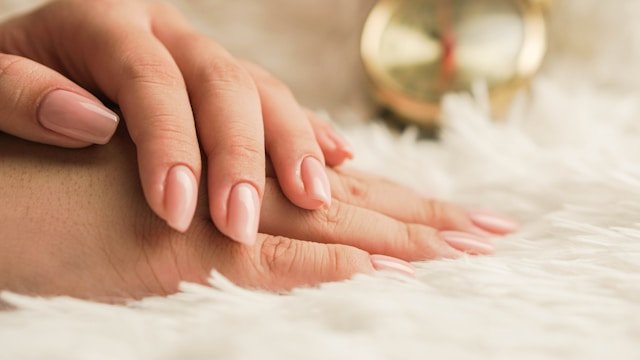
Nails play a crucial role beyond merely enhancing our aesthetic appeal. They serve as protectors for our fingertips, aid in daily tasks, and are indicative of our overall wellness. Despite their importance, nails are frequently neglected in our personal care regimens. Ensuring the health of your nails transcends mere looks; they are important indicators of hygiene and vitality. If you’re facing challenges like brittleness, discoloration, or persistent fungal infections, taking proactive measures can help maintain their robustness and health.
This article will delve into straightforward yet powerful strategies for promoting nail health, averting common concerns, and identifying when to seek specialized assistance.
The Importance of Nail Care
Nails, much like our skin and hair, provide insights into our wellness. Brittle nails may indicate nutritional deficiencies or dehydration, while discoloration might suggest an infection. Neglecting nail issues may seem insignificant, but some conditions can escalate over time, potentially leading to pain or complications that affect daily activities.
Key Nail Care Recommendations
1. Hydrate and Moisturize
Your nails require moisture just like your skin. Dry nails are more vulnerable to splitting and chipping, which can lead to infections. Apply hand cream or cuticle oil to ensure both your nails and surrounding skin remain supple and hydrated.
2. Regular Trimming and Filing
Maintaining trimmed nails helps avoid breakage and tears. Use a sharp clipper, cutting straight across to prevent ingrown nails. Employ a gentle nail file to smooth any rough edges and avoid splits.
3. Safeguard Your Nails
For day-to-day activities that may harm your nails—such as doing dishes or handling chemicals—wear gloves. These protective measures can minimize wear and keep your nails in optimal condition.
4. Emphasize a Nutritious Diet
The foundation for resilient nails lies in a well-rounded diet. Incorporate foods rich in biotin, zinc, and omega-3 fatty acids to promote healthy nail development. Eggs, nuts, and leafy greens are great options for naturally enhancing your nail health.
Preventing Nail Fungal Infections
Nail fungal infections, especially in toenails, rank among the most prevalent nail issues. Such infections thrive in warm and moist environments, making places like gyms, swimming pools, and shared showers high-risk areas. Symptoms might include thickened, discolored, or fragile nails.
Ways to Reduce Risk:
- Keep your feet clean and dry, particularly after sweating.
- Change your socks daily and opt for shoes constructed from breathable materials.
- Utilize antifungal sprays or powders in your footwear as a preventive measure.
- Avoid sharing nail clippers, files, or footwear with others.
Should you suspect an infection, prompt treatment is essential. Various antifungal products are available to help resolve the issue before it worsens.
Dispelling Nail Care Myths
With a plethora of advice circulating online, it’s easy to fall prey to misconceptions about nail care. Let’s clarify a few common misunderstandings:
- Myth 1: Gel and acrylic nails permanently damage your natural nails.
While prolonged usage can weaken your natural nails, correct application and removal by a professional can reduce damage. Allowing your nails time to recuperate between applications is beneficial. - Myth 2: You must cut your cuticles.
Cuticles serve as a barrier to bacteria. Instead of cutting them, gently push them back with a soft instrument and keep them moisturized for optimal health. - Myth 3: Nails require air to ‘breathe.’
Nails consist of keratin, a protein that doesn’t need oxygen. However, periodic breaks from nail polish can prevent staining and maintain moisture.
Dealing with Persistent Nail Issues
Despite diligent care, nail problems such as chronic brittleness, ongoing discoloration, or discomfort around the nail bed may still occur. It’s essential to consult a professional for these issues. Some symptoms could signal underlying health conditions such as diabetes or circulatory problems.
Persistent fungal infections that do not improve with over-the-counter options may require stronger antifungal treatments directed at the root cause of the infection, to restore natural nail health.
The Importance of Routine for Long-term Nail Wellness
Consistency is paramount in any self-care practice. Incorporate nail care into your regular regimen by dedicating time each week to trim, file, and moisturize. Regular, small efforts can greatly reduce the likelihood of problems and keep your nails in excellent shape.
If you enjoy painting your nails, consider using a protective base coat to prevent stains. Choose acetone-free removers over harsher options, as they are gentler on your nails over time.
When to Consult a Professional
While numerous nail concerns can typically be managed at home, certain conditions may necessitate expert intervention. For instance:
- Ongoing pain or swelling around the nail bed.
- A nail that is thickened, crumbly, or emits an unpleasant smell (often indicative of a fungal infection).
- Unusual streaks, spots, or discoloration that does not fade.
For these situations, consulting a dermatologist or podiatrist will ensure you receive appropriate treatment. They may suggest tailored antifungal remedies or other treatments to restore nail health.
Minor Adjustments for Significant Impact
Nail care doesn’t require exorbitant products or complex routines. It involves being attentive to their condition, making minor tweaks to your habits, and addressing issues promptly. Whether it’s choosing breathable footwear, opting for nutrient-dense snacks, or applying a gentle moisturizer nightly, these actions contribute to more robust and healthier nails.
By making nail care a priority in your overall self-care regimen, you will enhance not only the look of your hands and feet but also support your general health and wellbeing.