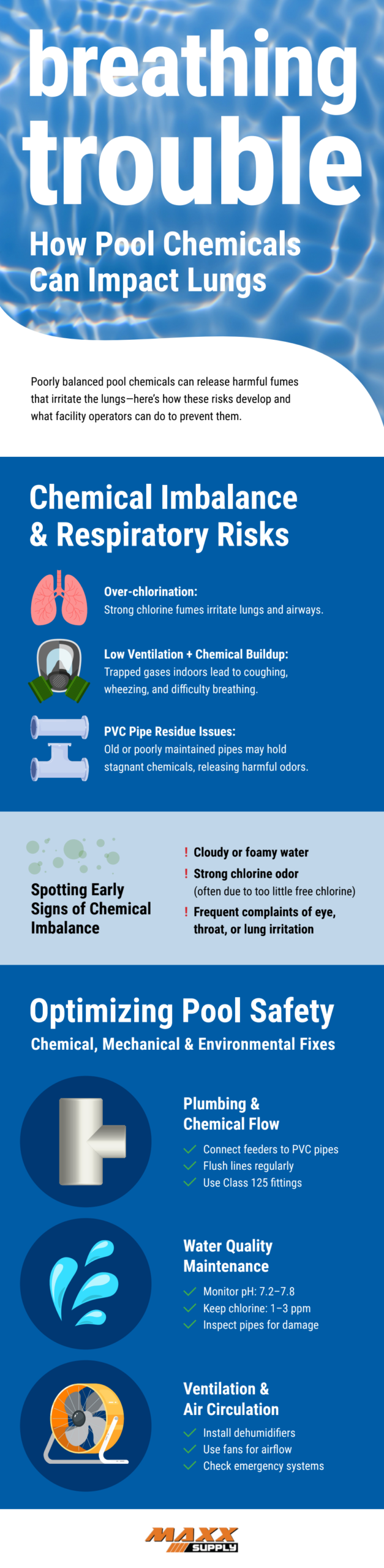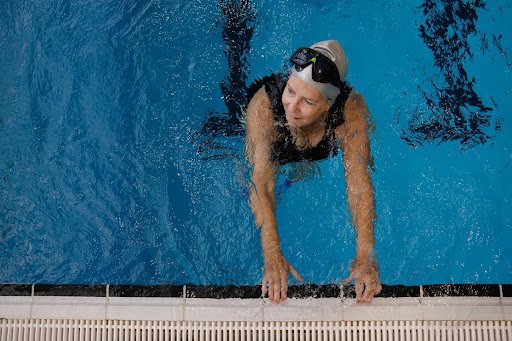
While swimming is often celebrated as a beneficial exercise, maintaining a pool involves chemical treatments that can endanger respiratory health, particularly in indoor or inadequately ventilated spaces. The agents utilized for pool sanitation may adversely affect the lung health of swimmers, pool personnel, and even onlookers. Understanding these potential hazards is crucial for minimizing exposure and safeguarding respiratory well-being.
Chlorine and Its Byproducts
Chlorine is among the most prevalent disinfectants used in pool water treatment. Although it is effective in eliminating harmful microorganisms, chlorine reacts with organic substances, including sweat, skin cells, and urine, resulting in the formation of chloramines. These byproducts are volatile and can evaporate from the water’s surface, causing irritation to the eyes, throat, and respiratory system upon inhalation.
Indoor swimming facilities are particularly prone to the accumulation of chloramines. In the absence of adequate air circulation, these compounds can build up, leading to a lingering chemical smell that is often misidentified as chlorine itself. Swimmers might experience symptoms like coughing, wheezing, or breathlessness during or following exposure, especially those with asthma or other chronic respiratory issues.
Long-Term Impacts and Vulnerable Groups
Regular exposure to pool chemicals has been linked to alterations in lung function, particularly among competitive swimmers and pool staff. Research indicates that routine interaction with chlorinated air and water can heighten the risk of conditions resembling asthma or worsen existing respiratory problems. Children are at greater risk due to their developing lung capacity and higher breathing rates, which may make them more susceptible to experiencing symptoms sooner.
Effective pool management is vital for mitigating these risks. This involves maintaining appropriate chemical levels, ensuring efficient filtration, and utilizing components like PVC gate valves that assist in regulating water flow and system upkeep. Additionally, encouraging swimmers to shower before entering the pool and taking bathroom breaks can help reduce the presence of organic matter, thereby limiting chemical reactions.
Ventilation and Prevention Strategies
Proper ventilation is essential, particularly for indoor pools. Air handling systems should effectively expel contaminated air while introducing fresh air to dilute airborne irritants. Regular checks and maintenance of these systems by facility operators are necessary to ensure optimal performance.
To protect lung health in pool environments, a combination of managing chemical exposure, ensuring appropriate infrastructure, and understanding individual sensitivities is crucial. These steps contribute to creating safer aquatic spaces for both leisure and competitive activities. For further details, please refer to the attached resource.