

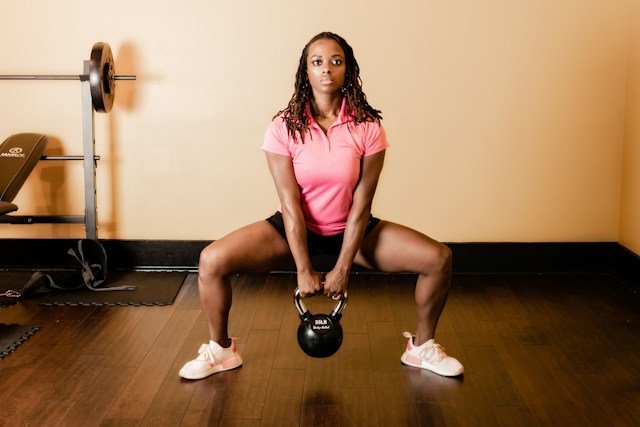
Sex hormones, including estrogen and testosterone, significantly influence physical fitness and exercise performance. Variations in these hormones that happen during puberty, across the menstrual cycle, with hormonal contraceptive use, in pregnancy, and as part of the aging process can affect everything from muscle development to injury susceptibility in both casual fitness enthusiasts and elite athletes.
Gaining insights into how these hormones affect the body can empower individuals to optimize their training efforts. This article will explore five ways estrogen and testosterone affect fitness and athletic performance.
Estrogen’s Role in Bone Health
Estrogen is vital for preserving optimal bone density, particularly for women as they age. After menopause, there is a substantial decline in estrogen levels, leading to rapid bone mass reduction, where women can lose up to 20% of their bone density within 5-7 years. This decrease elevates the risk of stress fractures and osteoporosis, which can hinder participation in high-impact and weight-bearing exercises. Engaging in weight training and potentially exploring short-term estrogen replacement therapy—with medical oversight—can be beneficial in maintaining bone health, ensuring that women remain active and can exercise safely over time.
Testosterone, Muscle Development, and Fat Metabolism
Testosterone plays a key role in developing lean muscle mass by enhancing muscle protein synthesis and signaling the body to repair and fortify muscles after strenuous resistance training. Insufficient testosterone levels can make it challenging to increase muscle size and strength. Some athletes and bodybuilders resort to the misuse of anabolic steroids or testosterone supplements to enhance muscle growth, but these substances come with health risks and should only be used under medical supervision. Elevated testosterone also encourages fat burning, while estrogen tends to promote fat accumulation, especially around the hips and thighs.
Estrogen and Soft Tissue Injury Risk
While estrogen blockers may assist in weight loss, estrogen itself has beneficial effects. It contributes to the strength and flexibility of ligaments and tendons, potentially lowering the risk of injuries. Female athletes are up to eight times more prone to ACL tears, especially those with irregular or absent menstrual cycles, which often indicate hormonal imbalances. By optimizing estrogen levels, the chances of sustaining joint and soft tissue injuries can be reduced. However, significant declines in estrogen levels during menopause can hinder muscle recovery post-exercise, increasing the risk of overuse injuries. Timing strength training sessions to coincide with elevated hormone levels can enhance both performance and recovery.
Testosterone, Energy, and Endurance
Having adequate testosterone levels is crucial for sustaining physical energy and mental clarity, essential during rigorous training and competitive events. Testosterone fosters the production of red blood cells, which enhance oxygen delivery and muscle endurance. Conversely, low testosterone levels can lead to a decline in endurance capabilities and aerobic potential, as well as heightened fatigue during intense workouts. Hormonal imbalances leading to low testosterone can compromise an athlete’s ability to maintain power and stamina in competition. Managing testosterone levels under medical guidance may provide a boost in energy and physical endurance.
Estrogen and Recovery After Exercise
While moderate levels of estrogen are necessary for strengthening bones and connective tissues, significant decreases can adversely affect muscle recovery after challenging training sessions, particularly during menopause. Lower estrogen levels can slow recovery times after workouts, which impedes the beneficial adaptations associated with exercise. Maintaining hormonal balance as women age is crucial for continuing active participation in exercise, as it can enhance recovery and decrease the likelihood of injuries due to muscle under-rebuilding. Regular assessments of bone density for osteoporosis risk and consultations with healthcare professionals specializing in hormonal and gynecological health are advisable.
Monitoring changes in estrogen and testosterone levels throughout life can provide essential insights into maximizing athletic performance and achieving fitness goals safely. Personalized plans that evaluate hormone balance through blood tests and consider strategic support for estrogen or testosterone under medical oversight are recommended where necessary.