

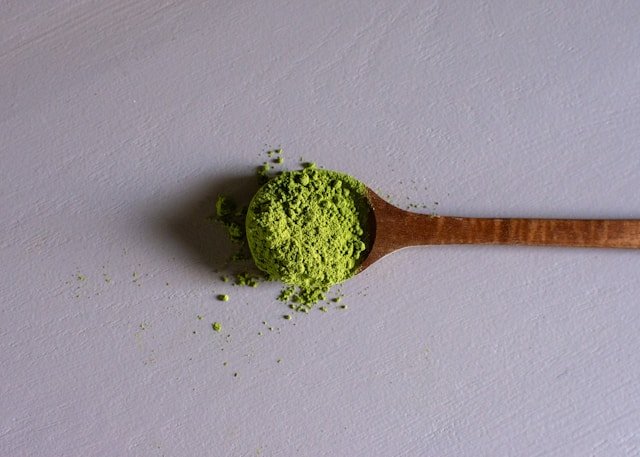
Step into any health food store or browse wellness content on social media, and you’ll soon encounter the trend surrounding greens powder. But what is it really, and does it live up to the hype? Greens powder is a nutritional supplement often composed of dried and powdered forms of various vegetables, fruits, grasses, seaweeds, and other plant materials. Ingredients can include kale, spinach, spirulina, chlorella, wheatgrass, and even green tea extract, all conveniently blended into a single scoopable powder.
This supplement aims to enhance your nutrient intake, particularly when your regular diet may fall short in fruits and vegetables. While no supplement should replace whole foods, greens powder is marketed as an efficient way to bridge nutritional gaps, enhance digestion, boost energy levels, and even promote healthier skin.
Some products go beyond just greens, incorporating additional components such as adaptogens, antioxidants, digestive enzymes, and probiotics—all geared toward enhancing stress management, gut health, and immune function.
The Rising Popularity of Greens Powder
Let’s face it: reaching the recommended five to seven servings of vegetables daily can be challenging. Whether it’s due to a busy work schedule, parenting duties, or simply not enjoying bitter greens, greens powder provides a no-hassle alternative. Just stir it into water, smoothies, or even your morning juice, and you’re set.
The convenience factor cannot be overstated. More individuals are gravitating towards daily supplements that easily integrate into their lifestyles, and greens powder fits the bill perfectly. Additionally, the popularity of holistic wellness has made superfoods increasingly mainstream.
Another significant factor in this trend is digestive health. Many greens powders contain probiotics, prebiotics, and digestive enzymes, which contribute to gut wellness, alleviate bloating, and promote regularity—all valuable benefits in today’s wellness culture.
And let’s not ignore those busy days or travel schedules where preparing a balanced meal seems impossible. In such scenarios, having a portable, nutrient-rich option like greens powder can significantly affect how you feel.
What People Praise—and the Evidence Behind It
Let’s clarify the benefits frequently associated with greens powder:
- Enhanced energy levels (without caffeine)
- Improved digestion
- Support for the immune system
- Better skin health
- Reduction in inflammation
Some of these claims have a research foundation… somewhat. Studies have indicated that specific components found in greens powders, like spirulina and wheatgrass, exhibit antioxidant and anti-inflammatory properties. Additionally, probiotics can help balance gut bacteria, which is essential for immune function and overall mood.
Nevertheless, not all greens powders are the same. Certain products may have more marketing buzz than actual benefits, especially if they contain fillers or lack clear labeling. Therefore, it’s vital to examine ingredient lists and prioritize products that have undergone third-party testing. If a product doesn’t specify the quantity of each ingredient, you might be getting just a pinch of spinach instead of a full serving.
Greens Powder versus Fresh Vegetables
A common question arises: If you’re consuming enough vegetables, is a greens powder really necessary?
The reality is that nothing compares to fresh, whole vegetables. They provide fiber, hydration, and a complex array of nutrients that powders can’t completely replicate. However, greens powders can still be advantageous, particularly if your diet lacks variety or if you find yourself in a particularly hectic life phase.
For individuals with food allergies, restrictive travel schedules, or picky eating habits, greens powders can act as a helpful supplementary option. Think of it as a nutritional backup rather than a cure-all. While it won’t remedy an unhealthy diet, it can complement a balanced one.
Selecting the Right Greens Powder
If you’re contemplating adding greens powder to your daily supplement regimen, consider the following tips for making an informed choice:
- Review the ingredient list: Seek out whole, recognizable plant sources while avoiding artificial sweeteners and unnecessary additives.
- Look for certifications: Third-party verification (such as NSF Certified or Informed Choice) ensures the product’s safety and quality.
- Be mindful of taste: Some greens powders have an unappealing flavor, while others can be surprisingly pleasant. Reading reviews can guide you accordingly.
- Monitor sugar levels: Some may contain fruit juice powders for flavor enhancement, leading to elevated sugar or carb content.
Additionally, pay attention to how your body reacts after consuming it. Improvements in energy, digestion, and mental clarity can be subtle indicators that it’s benefiting you—or not.
Who Can Benefit from It and Who Should Avoid It
Generally speaking, greens powder is safe for most individuals. Nevertheless, if you’re pregnant, nursing, on medications (especially blood thinners), or have underlying health conditions, it’s wise to consult with your healthcare professional before starting.
Some greens powders may be rich in vitamin K, which can interfere with certain medications. Additionally, some formulations might include adaptogens like ashwagandha or herbs like ginseng, which may not suit everyone.
For those with sensitive digestive systems, introducing a concentrated greens powder too quickly could lead to gas or discomfort. It’s advisable to start with a half scoop and gradually increase your intake.
Final Thoughts: Is Investing in Greens Powder Worth It?
If you find it difficult to incorporate enough greens into your diet or seek to streamline your wellness routine, greens powder could be a beneficial option. Although it’s not a panacea and should not substitute whole foods, it can make a sensible addition to your daily supplementation—especially when chosen thoughtfully.
Ultimately, maintaining good health is about consistency. If greens powder encourages you to adhere to a healthier routine, it might be a valuable addition to your next smoothie.
Just keep in mind that it serves as a supplement, not a replacement. However, in today’s fast-paced environment, even minor health improvements can accumulate significantly.