

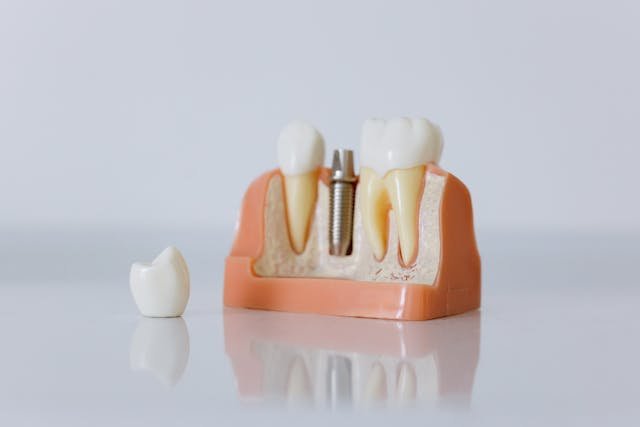
For individuals contemplating dental implants in the UK, grasping the various factors that influence their costs is crucial. From the specific type of implant selected to the qualifications of the dental professional, multiple aspects can affect the total price. By examining these considerations, patients can prepare financially and make enlightened choices regarding their oral health.
The expense associated with dental implants can differ widely across the UK, shaped by various determinants. For instance, dental implants in London may carry a different price tag compared to those in other areas due to regional differences in living expenses and the demand for dental services. This article highlights the main factors that contribute to the cost of dental implants, enabling prospective patients to have realistic expectations and manage their budget effectively.
Type Of Dental Implant
The specific kind of dental implant selected significantly impacts the overall cost. There are several varieties, including endosteal and subperiosteal implants, each associated with varying price ranges. Endosteal implants are the most commonly used and typically less expensive, as they are anchored directly into the jawbone. In contrast, subperiosteal implants, which sit beneath the gum line but above the jawbone, may incur higher costs due to the increased complexity involved in their placement.
The materials utilized for the implants also play a role in the cost equation. Titanium is frequently preferred for its strength and bone compatibility, often making it a more budget-friendly option. On the other hand, zirconia, while offering superior aesthetics, generally comes with a higher price point.
Experience And Expertise Of The Dental Surgeon
The qualifications and experience of the dental surgeon significantly affect the cost of dental implants. Surgeons with extensive expertise in implantology may demand higher fees for their services. Nevertheless, their advanced skills can provide reassurance and potentially mitigate the risk of complications, which might incur additional expenses.
Patients are encouraged to assess the credentials and success rates of the dental professional when considering costs. Choosing a qualified surgeon can be a beneficial investment, ensuring that the implant procedure is executed successfully and efficiently.
Location And Clinic Facilities
The location of the dental practice is another important factor influencing the cost of dental implants. Clinics situated in urban centers or high-cost areas like London often have higher fees compared to those in more rural locations. The facilities and technological advancements available at the clinic can also affect pricing. While modern equipment and superior facilities may elevate costs, they can also improve the quality of care and patient outcomes.
Patients should consider the trade-off between selecting a conveniently located clinic with advanced amenities and the possible cost benefits of seeking treatment in a more affordable area.
Additional Procedures And Aftercare
The overall cost of dental implants can be increased by any supplementary procedures required either prior to or following the surgery. For example, patients with inadequate bone density may need bone grafting or sinus lifts, which can elevate total expenses. It is also vital to factor in post-operative care, including follow-up appointments and maintenance, when budgeting for dental implants.
A clear understanding of these potential additional costs enables patients to manage their finances more effectively and avoid unanticipated expenses. Discussing the entire procedure and any necessary aftercare with the dental surgeon can offer a more comprehensive view of the financial commitment involved.