

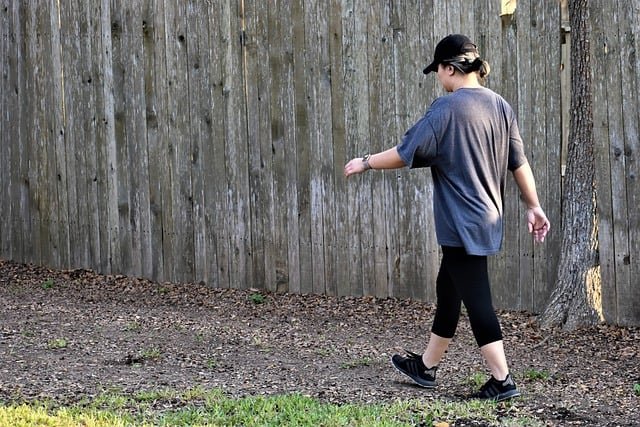
Embarking on a new routine can often induce anxiety, and initiating an exercise regimen can feel particularly overwhelming given the multitude of advice available. However, integrating physical activity into your life is crucial for overall health. Regular exercise can aid in reducing body fat and enhancing joint health, circulation, sleep quality, blood pressure, and mood levels. In this article, we provide a straightforward guide to kickstart your walking exercise journey.
It’s advisable to consult your healthcare provider before starting any new exercise program.
Getting Started
Defining your fitness objectives prior to launching into your workout routine is key for maintaining motivation and achieving a sense of fulfillment as you reach those targets. When setting goals, especially initially, ensure they’re attainable.
According to UC Berkeley, a good approach is to begin with a brisk walking pace of 3 to 3.5 miles per hour for 10 minutes each day for the initial three weeks. Gradually extend your walking time by 5 minutes per week until you reach 30 minutes daily. Ideally, aim to walk at this brisk pace for 30 minutes on six days of the week.
Walking Techniques
Employing the correct techniques as you commence your walking routine is crucial not only for maximizing the workout’s effectiveness but also for minimizing injury risks. Here are some recommendations from UC Berkeley regarding walking form:
- Posture – Maintain relaxed shoulders and keep your chin in a neutral alignment.
- Foot Placement – Ensure your feet are positioned in front of you as if you are walking along a designated path.
- Stride Length – There are various methods available online to assess your stride length. When you walk, ensure one foot remains grounded, making sure your heel strikes the ground first, rolls onto the ball of your foot, and then pushes off with your toes for a smooth transition.
- Arm Swing – Bend your elbows and swing your arms in sync with your steps, as this can enhance your caloric burn by an extra 5-10%.
Incorporating Walking into Your Day
If carving out 30 minutes for a walk seems challenging, look for alternative ways to fit walking into your daily routine. Use your lunch break for a 30-minute stroll around your workplace or the building’s corridors. If outside conditions aren’t favorable, consider taking a walk in a nearby mall. Additionally, think of familiar locations such as coffee shops or grocery stores, and opt for walking if they are conveniently located.
Safety Guidelines
Alongside proper form and technique, adhering to certain safety measures can enhance your walking experience. The right footwear is paramount; optimal walking shoes offer breathability, cushioning, and flexibility, especially in the heel-to-toe area. Wear loose-fitting and comfortable clothing. If you’re venturing outdoors, check weather conditions and dress accordingly. Utilize marked trails and sidewalks, and exercise caution when traversing busy roads, as pedestrian accidents are increasingly common in the United States. In Spokane, Washington, for instance, there were 127 pedestrian accidents reported in 2021, resulting in 8 fatalities. Stay vigilant and adhere to all traffic signals.
The key to a successful walking routine is consistency—by following these guidelines, you’ll be well-equipped to sustain your walking program!