

The communication between your gut and brain is more significant than most people realize, leading scientists to dub the gut the “second brain.” This complex interaction between your digestive health and mental state significantly influences your emotional wellbeing, thought processes, and healing capabilities, particularly during detoxification and recovery phases.
For those undergoing addiction recovery or simply striving to enhance emotional health, it’s essential to grasp the importance of the gut-brain connection. One effective method to nurture both the digestive and mental health systems is by incorporating probiotic-rich foods into your diet, which assist in detoxification and body rebalancing.
Understanding the Gut-Brain Axis
The gut-brain axis refers to the two-way communication network that links the gastrointestinal system with the brain. This complex system comprises:
- The vagus nerve, which connects the brainstem to the gastrointestinal tract
- The enteric nervous system, found within the gut’s lining
- Various hormones and neurotransmitters, including serotonin, dopamine, and GABA
Interestingly, approximately 90% of the body’s serotonin, a neurotransmitter associated with mood regulation, sleep, and anxiety management, is produced in the gut (Gershon, 1998). An imbalance in gut health can often lead to mental health issues.
Impact of Addiction on Gut Health
The usage of substances, particularly alcohol, opioids, and stimulants, can severely disrupt the digestive system:
- Harming the gut lining
- Disrupting gut flora (microbiome)
- Heightening inflammation
- Decreasing the absorption of nutrients
During the detox phase, the body aims to heal itself; however, if the gut is still compromised, mental health problems such as anxiety, depression, and mood fluctuations may continue.
A study published in 2021 in Frontiers in Neuroscience revealed that individuals with substance use disorders typically exhibit lower microbial diversity and fewer beneficial bacteria such as Lactobacillus and Bifidobacterium.
The Importance of Probiotics During Detox
Probiotics are beneficial live bacteria that contribute to maintaining a healthy microbiome. By incorporating these good bacteria into your diet, especially during detox, you can help your body:
- Rebuild a healthy gut lining
- Diminish systemic inflammation
- Enhance digestion and nutrient absorption
- Stabilize mood and improve cognitive clarity
- Bolster the immune system
This restorative process not only promotes physical healing but also enhances mental clarity and emotional resilience, which are crucial during recovery.
Essential Probiotic Foods for Detox
Incorporating foods rich in probiotics doesn’t necessitate tricky diets or supplements; many options are simple, natural, and can easily enhance daily meals.
1. Sauerkraut
Description:
Fermented cabbage abundant in Lactobacillus plantarum and other beneficial probiotics.
Advantages:
- Facilitates digestion
- Lowers gut inflammation
- Easily digestible even in small servings
Recommendation: Opt for raw, unpasteurized sauerkraut to maximize probiotic benefits.
2. Yogurt (with live cultures)
Description:
A cultured dairy product (or plant-based alternative) containing live bacteria like Lactobacillus acidophilus.
Advantages:
- Assists in restoring gut flora
- Offers calcium and protein
- Soothes inflammation in the digestive system
Research from Harvard Health indicates that probiotic yogurt can alleviate symptoms of anxiety and depression for some individuals.
3. Kombucha
Description:
A fermented tea beverage created with a symbiotic culture of bacteria and yeast (SCOBY).
Advantages:
- Aids in liver detoxification
- Rich in antioxidants
- Naturally provides probiotics like Gluconacetobacter
Note: Steer clear of high-sugar or unregulated varieties during detox.
4. Miso
Description:
A fermented soybean paste commonly used in soups and sauces.
Advantages:
- Contains Aspergillus oryzae, a valuable probiotic strain
- Promotes integrity of the gut lining
- Supplies plant-based protein and B vitamins
Tip: Mix miso into warm (not boiling) water to retain its probiotic properties.
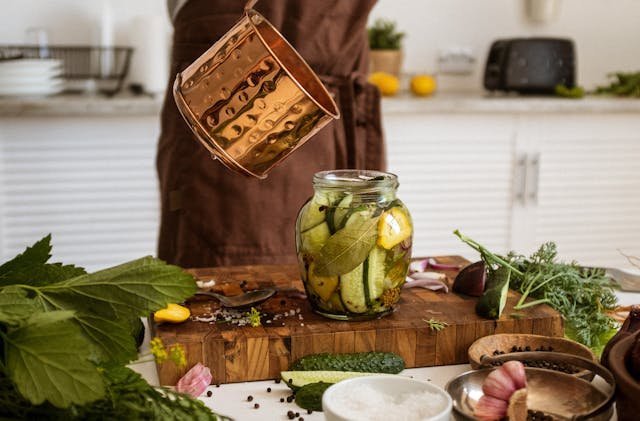
5. Fermented Pickles
Description:
Cucumbers that are fermented in salty brine instead of vinegar.
Advantages:
- Loaded with Lactobacillus
- Encourages digestion and regular bowel movements
- Provides a crunchy, savory addition to meals
Caution: Check labels, as many commercial pickles are vinegar-based and not truly fermented.
6. Kefir
Description:
A fermented milk drink containing various strains of probiotics.
Advantages:
- High in probiotics
- Packed with B vitamins, calcium, and protein
- May aid in sleep and mood regulation
Plant-based alternatives: Look for coconut or almond kefir with live cultures.
Creating a Gut-Healing Detox Plan
Probiotics are most effective when combined with prebiotic-rich foods, which nourish beneficial bacteria. Prebiotic foods include:
- Bananas
- Garlic
- Onions
- Leeks
- Asparagus
- Oats
Additionally, ensure you:
- Maintain proper hydration to help flush out toxins
- Limit processed and sugary foods that negatively affect gut health
- Practice mindful eating to enhance digestion
- Manage stress through relaxation techniques, quality sleep, and gentle exercise
Are Probiotic Supplements Necessary?
While whole foods are generally preferable, those with significantly compromised digestive health or inadequate intake of fermented foods may benefit from a high-quality probiotic supplement.
Look for supplements that contain:
- Multiple strains (ideally 5–10)
- At least 10 billion CFUs (colony-forming units)
- Third-party testing and free from artificial additives
If unsure, consult a healthcare professional, especially during early detoxification.
Emotional Benefits of Gut Restoration
As the gut microbiome stabilizes, you may experience positive changes beyond just physical health:
- Decreased brain fog and fatigue
- Reduced emotional reactivity
- Enhanced quality of sleep
- Improved mood stability
A 2017 study in Psychiatry Research found that probiotic supplementation led to decreased psychological distress, anxiety, and depression in healthy subjects.
This is because a balanced gut contributes to higher neurotransmitter production, modulates inflammation, and enhances nutrient absorption—all essential for brain and emotional stability.
Final Thoughts
Recovering from addiction involves more than just eliminating harmful substances; it’s about rebuilding the body, mind, and spirit. The gut plays a crucial role in this process, and incorporating probiotic-rich foods is a straightforward yet impactful way to facilitate both detox and emotional fortitude.
Start with small changes. Add some sauerkraut to your lunch, enjoy a glass of kefir for breakfast, or prepare a soothing miso broth in the evening. These simple adjustments can yield significant long-term benefits.
As you nourish your gut, your mind will find its way to healing too.
References
- Gershon, M. D. (1998). The Second Brain. HarperCollins.
- Rea, K., et al. (2021). The microbiome: A key regulator of stress and neuroinflammation. Frontiers in Neuroscience.
- Steenbergen, L., et al. (2017). A randomized controlled trial on the effects of a multispecies probiotic on cognitive reactivity to sad mood. Psychiatry Research, 255, 258–264.
- Harvard Health Publishing. (2020). Probiotics: What you need to know.