

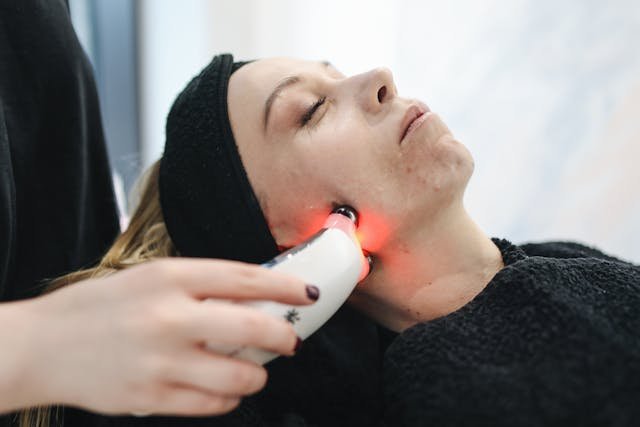
Laser therapy has risen in prominence within both medical and aesthetic sectors, owing to its effectiveness in resolving a wide array of skin issues, medical ailments, and for cosmetic enhancement. From skin rejuvenation and hair removal to vision correction and various medical applications, laser technology provides a minimally invasive alternative with precise outcomes.
Deciding to pursue laser treatment is a crucial choice that necessitates thorough contemplation. It is vital to comprehend the various types of laser services available, weigh potential risks alongside benefits, and choose a qualified provider to ensure a safe and successful experience.
Types of Laser Treatments Explained
Laser procedures are extensively utilized in fields such as dermatology, ophthalmology, and various other medical specializations. Each treatment employs specific technology designed to target distinct concerns.
In the realm of aesthetics, laser treatments aim to enhance the skin by addressing issues like acne scars, pigmentation irregularities, fine lines, wrinkles, and sun damage. Fractional lasers promote collagen synthesis, while ablative lasers effectively resurface the skin by eliminating damaged layers.
For those seeking efficient long-term solutions for unwanted hair, laser hair removal is an increasingly popular option. This method directs concentrated light energy at hair follicles, inhibiting future hair growth.
Beyond cosmetic benefits, laser treatments serve several medical purposes. Procedures like LASIK surgery alter the shape of the cornea to enhance vision, potentially removing the necessity for glasses or contacts. Laser therapy also treats conditions such as varicose veins, tumor removal, and accelerates tissue healing.
Choosing the appropriate laser procedure hinges on personal goals, skin type, and medical background. Consulting with an expert ensures the chosen treatment aligns well with individual expectations and needs.
Evaluating the Pros and Cons of Laser Treatments
Laser treatments come with numerous benefits, including their precision, reduced recovery time, and enduring results. Unlike many traditional surgical options, most laser procedures are either non-invasive or require minimal invasiveness, resulting in minimal downtime.
In terms of skin treatments, laser technology can significantly improve skin texture and tone, yielding noticeable enhancements with little discomfort involved. When applied in medical contexts, laser procedures often provide targeted solutions that can lead to quicker recovery times compared to conventional practices.
Nonetheless, every procedure carries inherent risks. Typical side effects may include temporary redness, swelling, or minor discomfort, while more serious issues, such as burns, changes in pigmentation, or scarring, can arise if executed improperly.
Choosing an experienced provider is essential for reducing the likelihood of negative effects. Understanding the potential risks and discussing them thoroughly with a qualified expert is important for making a well-informed decision.
Selecting a Competent and Skilled Provider
The outcome of a laser procedure is heavily influenced by the skill of the provider administering the treatment. A licensed and trained expert ensures not only safety but also optimal results.
It is crucial to investigate the qualifications, certifications, and experience of the provider. Board-certified dermatologists, plastic surgeons, and licensed medical professionals specializing in laser therapies possess the essential expertise to evaluate individual suitability for various procedures.
Analyzing before-and-after images, patient reviews, and clinic ratings offers insights into the provider’s reputation and track record. Arranging a consultation grants prospective patients the opportunity to ask questions, gain a detailed understanding of the procedure, and assess the clinic’s professionalism.
Preparing for Laser Treatment
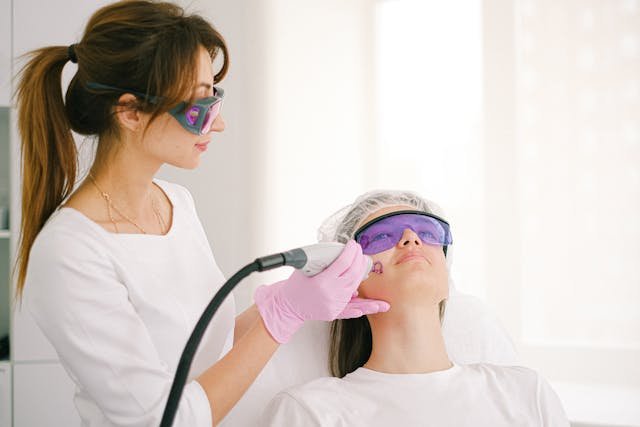
Thorough preparation is essential for achieving the best results. Patients should adhere to pre-treatment guidelines provided by their healthcare provider before undergoing laser therapy.
For skin-related procedures, steering clear of excessive sun exposure and tanning beds helps mitigate the risk of complications. Tanned or sunburned skin is particularly sensitive to laser energy, which can heighten the chance of adverse reactions.
Halting the use of certain skincare products, including retinoids, exfoliants, and acids, can help prevent irritation prior to the procedure. Some medical interventions may also necessitate avoiding blood-thinning medications to reduce the risk of bruising or bleeding.
During the consultation, discussing one’s medical history, current medications, and lifestyle habits is essential for tailoring the procedure to meet individual needs. Adhering to all pre-treatment recommendations enhances safety and maximizes the effectiveness of the treatment.
Investigating Minimally Invasive Treatment Options
These procedures harness lower-intensity laser energy to address specific areas without adversely affecting surrounding tissues. For those desiring gentle yet effective treatment options, minimally invasive laser therapies strike a favorable balance between results and recovery time. They are particularly suited for individuals aiming to enhance skin texture, alleviate fine lines, or address minor pigmentation errors without prolonged recovery periods. Additionally, these approaches present viable solutions for managing pain, healing muscle injuries, and minimizing scarring, all with less discomfort than traditional surgical interventions.
Opting for a minimally invasive method allows patients to achieve desired outcomes while reducing the risks and recovery times associated with more aggressive treatments. Consulting with a specialist guarantees that the procedure is aligned with individual goals and lifestyle requirements.
Deciding to pursue laser treatment is a personal journey that entails research, thoughtful planning, and professional advice. Gaining insight into the various types of laser therapies, examining associated risks and rewards, and selecting an experienced provider ensures a safe and effective treatment experience.
With the proper preparation, laser treatments can yield transformative results for aesthetic improvement, medical corrections, or overall health. Making an informed choice ultimately fosters enhanced confidence, better health, and sustained satisfaction with the selected treatment.