

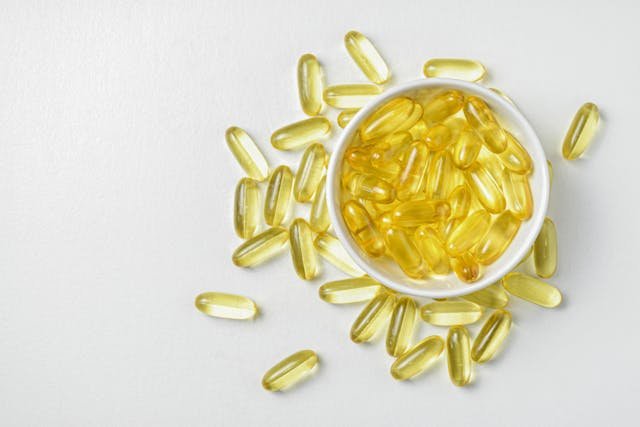
Starting on a path to better health often requires the establishment of small, but steady habits. For numerous Canadians, this journey includes thoughtfully considering the role of nutrients like Vitamin E supplements within a science-based wellness strategy, as opposed to simply following trends.
Across Canada, many individuals, particularly those aged 45 and over, frequently incorporate supplements into their routines as they strive to maintain their health, mental clarity, and cardiovascular wellbeing. Data from Statistics Canada reveals that a considerable number of Canadians, especially women and older adults, regularly use vitamins or mineral supplements.
Importantly, the focus should not be on using a multitude of products, but rather on making educated choices supported by trustworthy information. Knowing the benefits and carefully selecting items from reliable sources can distinguish a health-enhancing supplement regimen from one that merely contributes to clutter in your cabinet.
What Does It Mean To Use A Supplement Mindfully?
Mindful health involves making choices each day that align with desired long-term results, rather than merely responding to fleeting marketing pressures.
Before you decide to include a Vitamin E supplement in your daily regimen, consider a few thoughtful questions: What motivates your interest? Are you already consuming sufficient sources of vitamin E through your diet, such as nuts, seeds, and vegetable oils?
Health Canada categorizes vitamins and minerals as Natural Health Products, which must adhere to specific safety and labeling guidelines before they are available for sale. Although this regulatory framework ensures a baseline level of quality, understanding what you’re taking and the reasons behind it carries its own importance.
The Importance Of Vitamin E In A Comprehensive Routine
Vitamin E is a fat-soluble antioxidant that plays a role in safeguarding cells against oxidative stress. Oxidative stress is linked to aging and cell damage, and while the connection between antioxidants and disease prevention is intricate and ongoing, the National Institutes of Health’s Office of Dietary Supplements indicates that vitamin E is vital for immune function and cellular signaling.
In terms of skincare and haircare, Vitamin E is frequently recommended. It may assist in shielding skin cells from oxidative harm and is commonly included in products aimed at enhancing hair and nail health. While research is still developing, vitamin E serves as a sensible starting point for those seeking to support their appearance from the inside.
If you are a woman aged between 45 and 65, preserving antioxidant levels could be part of a larger health strategy that includes proper intake of healthy fats, a diet rich in fruits and vegetables, regular exercise, and suitable supplementation when dietary intake is insufficient. A Vitamin E supplement should not replace these essential components, but it might serve as a valuable addition when used judiciously.
Grasping Dosage Guidelines and Safety Limits
Due to the potential risk of bleeding at excessive doses, Vitamin E has a Tolerable Upper Intake Level. The NIH indicates that high levels of supplementation may pose increased risks in certain groups.
This presents an important consideration: while vitamin E could enhance antioxidant levels, high-dose use without medical oversight may not be ideal for everyone, especially those taking anticoagulant medications.
Being mindful of this tradeoff is crucial. Intentional usage necessitates paying attention to dosage, health history, and current medications. When in doubt, consulting a pharmacist before beginning is a sensible first step.
Understanding the Different Forms of Vitamin E
Vitamin E comes in several forms, including tocopherols and tocotrienols. Many supplements are primarily made up of alpha-tocopherol, but evidence suggests that formulations containing mixed tocopherols may offer enhanced antioxidant protection. Additionally, it’s vital to consider that sources from food, such as nuts, seeds, and vegetable oils, provide natural forms of vitamin E, necessitating a comprehensive view of total intake.
Natural Versus Synthetic: Interpreting Product Labels
When examining a supplement label, you may find two primary designations. d-alpha-tocopherol generally denotes the natural variant of vitamin E, whereas dl-alpha-tocopherol indicates a synthetic form. The differences in bioavailability between these types may affect the appropriate dosage. Being aware of what you are purchasing is key to making informed decisions at the store.
Safety Considerations with Aging
As individuals age, changes occur in nutrient absorption, medication usage, and cardiovascular risk profiles. Supplements that were once suitable might need reevaluation during the later years of life.
According to Harvard Health Publishing, extensive studies on antioxidants have not consistently demonstrated that high doses of vitamin E prevent chronic diseases. This underscores a vital principle: supplements should enhance your core health practices rather than replace them.
Before introducing a Vitamin E supplement, it’s advisable to review your current medications with a healthcare provider, ensure your dosage conforms to established recommendations, avoid inadvertently combining multiple antioxidant products, and opt for items from regulated, reputable Canadian sellers. Following these steps can minimize risks while maximizing potential benefits.
How to Select a Vitamin E Supplement in Canada
When evaluating Vitamin E supplements in Canada, consider the specific form of vitamin E, the amount per serving relative to your needs, and whether it features natural or synthetic tocopherols. Choosing from retailers that meet Health Canada’s Natural Health Product standards can serve as a reliable way to verify the accuracy of label claims.
If you’re uncertain where to begin, consulting with a pharmacist can be an excellent first step. They can assist in navigating the options based on your health background, dietary consumption, and any current medications.
Key Takeaways Regarding Vitamin E Supplements
When utilized deliberately, Vitamin E supplements can aid in maintaining an antioxidant balance as part of a comprehensive dietary and lifestyle plan. They are not a substitute for preventing disease, as their effectiveness is maximized when integrated with robust foundational habits: a nutrient-rich diet, regular physical activity, and proper rest.
In a marketplace filled with rapid claims and fleeting product trends, maintaining clarity as a consumer is paramount. The most sustainable strategy is founded on evidence, moderation, and reputable supply channels. Making informed, purposeful choices tends to foster better long-term outcomes than impulsively adding products with the hope of improvement.