

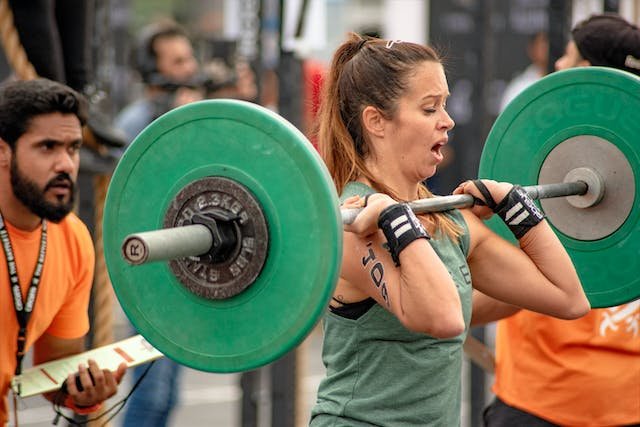
Engaging in competitive weightlifting stands as one of the most physically and psychologically challenging sports available, demanding not only immense strength but also refined technique and unwavering determination. While often linked to bodybuilding and powerlifting in pursuit of strength goals, the sport of weightlifting adheres to a strict set of rules and disciplines. Competitors must successfully lift predetermined weights overhead in two distinct attempts: the snatch and the clean and jerk, with the aim of lifting the most overall weight.
Through years of relentless training, meticulous nutritional planning, technical fine-tuning, and strategic goal-setting, elite weightlifters in the world transcend perceived limits, accomplishing lifts many deem impossible. This article delves into the sophisticated realm of competitive Olympic-style weightlifting, shedding light on the training regimens, distinctive personalities, strategies, victories, and hurdles faced by some of its most notable athletes on the international platform.
From Enthusiast to Competitor
The path to becoming a competitive weightlifter is anything but easy. It frequently begins with individuals drawn to the gym in search of strength, fitness, or aesthetic enhancement. As they progress and gain confidence through exercises like squats, deadlifts, and bench presses, many become intrigued by the techniques of Olympic-style weightlifting.
In weightlifting, the athlete must possess not only the physical strength to lift significant weights but also the coordination and control necessary for executing explosive movements. The snatch, clean, and jerk demand a combination of power, speed, balance, flexibility, and concentrated mental focus. Consequently, weightlifters dedicate endless hours to mastering these techniques and enhancing their form.
As their skills flourish, a number of lifters may choose to showcase their abilities by entering local competitions. These events are governed by strict regulations, which include pre-competition weigh-ins, three attempts per lift, and a set time frame to complete six lifts.
The Science of Lifting
Olympic-style weightlifting transcends mere heavy lifting; it is an art that requires a comprehensive grasp of biomechanics and physics. Athletes must meticulously consider their body positioning, the trajectory of the bar, timing, and velocity to effectively lift the heaviest weight possible.
In the snatch, the lifter executes a single fluid motion to elevate the bar from the ground to an overhead position, firmly catching it with locked arms and deeply bent knees. This maneuver demands substantial strength from the legs, core, back, and shoulders to generate ample force to lift the weight and swiftly position themselves beneath the bar.
In a similar vein, during the clean and jerk, an athlete must first perform the “clean” to raise the weight from the ground to shoulder level before executing the “jerk” to push it overhead. This lift necessitates fierce strength, explosive leg power, shoulder stability, and precise timing to properly lock out the arms and stabilize the lifted weight.
Training with Purpose
A successful weightlifter’s training regimen is characterized by intensity and focus, crucial for ongoing improvement and pushing limits. They adhere to structured programs that encompass various forms of strength and power training, technical drills, and mobility exercises tailored to the lifter’s unique strengths, weaknesses, competition objectives, and current physical state.
Beyond honing their physical capabilities, weightlifters must cultivate mental resilience to remain motivated and focused through lengthy training sessions filled with repetitive actions. Many utilize visualization techniques to mentally prepare for competitions, envisioning themselves executing each lift flawlessly.
Fueling Performance
To perform optimally, weightlifters adhere to a stringent nutritional plan that emphasizes the right balance of macronutrients (protein, carbohydrates, and fats) to support muscle development and recovery, alongside critical micronutrients (vitamins and minerals) for overall health and energy levels.
Moreover, many lifters follow specific dietary patterns that align with their training aspirations, such as Paleo or Keto diets, emphasizing whole, nutrient-dense foods while avoiding processed options to enhance performance and well-being.
For further insights, visit this link.
Mental Fortitude
Weightlifting extends beyond physical strain; it also necessitates robust mental resilience. The most accomplished lifters embody an unwavering resolve that empowers them to overcome pain, fatigue, and setbacks as they pursue their aspirations.
Additionally, many athletes employ techniques to improve their mental state during competitions. Methods like positive self-talk, mindfulness practices, and meditation play a vital role in fostering calmness and enhancing focus. These strategies help alleviate pre-competition anxiety and promote mental clarity, ultimately allowing lifters to excel in their performances. By integrating these tactics into their training regimens, competitors can elevate both their physical and mental game.
Preparing to Compete
In tandem with rigorous training and dietary habits, weightlifters must also carefully select and maintain their gear. This includes making informed choices about shoes, belts, wrist wraps, and knee sleeves that provide essential support and stability during lifts.
Designed with a raised heel, weightlifting shoes enable lifters to better engage their leg muscles during squats and cleans. Belts offer crucial abdominal support and assist in maintaining proper form during heavy lifts. Furthermore, wrist wraps and knee sleeves lend support to the joints, helping to maintain warmth and mitigate injury risks.
Competing Day
After countless hours of dedication and preparation, the day of the weightlifting competition finally arrives. Athletes participate in weigh-ins, engage in warm-up routines, and mentally gear up for their lifts. The atmosphere during the event is dynamic and electrifying, with competitors striving for their heaviest weights. Spectators cheer as athletes step onto the platform, achieving personal bests and breaking through barriers.
At the conclusion of the competition, medals are bestowed upon the top lifters across various weight classifications. Yet for many competitors, the true fulfillment lies in knowing they have given their all, showcasing their training and mental resilience to inspire those watching.