

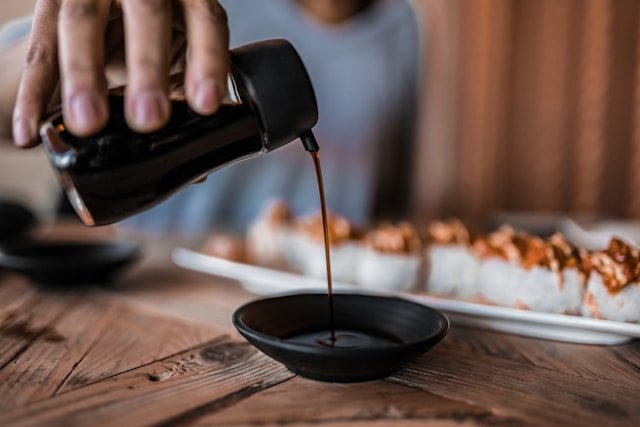
When preparing meals, it’s essential to enhance the flavors of your dishes as much as possible. Liquid seasonings like soy sauce can significantly boost the taste while also adding intricate notes. Discover which soy sauce options stand out and more about this beloved ingredient.
Tips for Choosing Soy Sauce
While soy sauce is a key component in Asian cooking, its popularity is steadily rising in the United States, with projections suggesting a market revenue of $5,541.1 million by 2025. Although condiments like ketchup and mayonnaise remain prevalent, interest in soy sauce is growing.
If you’re focused on health, there are a few important factors to consider before picking soy sauce. Generally, soy sauce contains more sodium than many other condiments, due to its salt, MSG, and additional ingredients. If you’re sensitive to salt, it’s advisable to check the nutritional information beforehand.
The production of soy sauce involves various components, such as soybeans and wheat, with some undergoing fermentation and others produced through chemical means. With countless styles available, don’t hesitate to taste different types to discover what suits your preferences.
Top Soy Sauce Brands
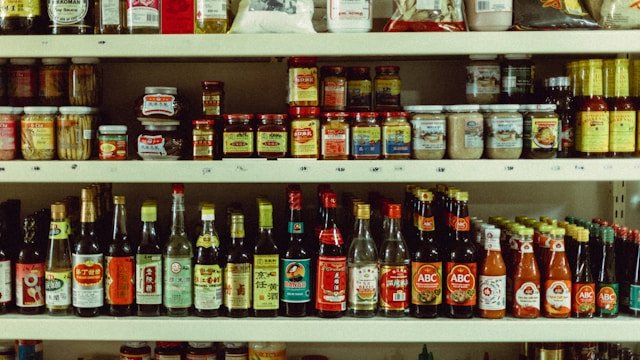
As you browse the aisles of your grocery store, you might wonder which soy sauce is the best choice for you. The answer is subjective and can depend on personal taste. Here’s a curated list of leading brands worth trying.
1. San-J
| Type | Tamari soy sauce |
| Origin | Japan |
| Ingredients | Water, soybean, salt, alcohol |
| Available sizes | 10, 20, and 64 fluid ounces |
San-J offers an authentic Japanese soy sauce that adheres closely to traditional fermentation processes. Its signature Tamari Soy Sauce stands out for its richness and lower salt content compared to standard soy sauces, and it is vegan as well as free from GMOs and gluten.
Another advantage of San-J is its wide range of options, including varieties with 28% or 50% less sodium, and some that use organic soybeans and alcohol, contributing to sustainability.
2. Lee Kum Kee
| Type | Dark soy sauce |
| Origin | China |
| Ingredients | Water, salt, soybeans, sugar, wheat flour, caramel coloring |
| Available sizes | 8.4, 59, and 64 fluid ounces |
Lee Kum Kee is well-regarded for its traditional brewing methods that enhance its umami flavor profile. The addition of sodium benzoate acts as a preservative, granting a longer shelf life.
This classic soy sauce is excellent for marinating and cooking, with alternatives like the Brown Braising Sauce specifically designed for Chinese braised dishes.
3. Kikkoman
| Type | Dark soy sauce |
| Origin | Japan |
| Ingredients | Water, soybean, wheat, salt |
| Available sizes | 5 fluid ounces, 40 fluid ounces, 2 quarts |
Kikkoman is a renowned name, originating from Japan before expanding in the U.S. It is made using traditional fermentation techniques resulting in a robust and deep flavor without additional preservatives.
For those looking for variations, Kikkoman offers organic and gluten-free options that still retain their signature colors, as well as a double-fermented soy sauce to amplify the umami taste.
4. American Garden
| Type | Dark soy sauce |
| Origin | U.S. |
| Ingredients | Distilled vinegar, hydrolyzed soy protein, salt, high fructose corn syrup, citric acid, caramel color |
| Available sizes | 295 milliliters |
American Garden is recognized for offering a diverse range of sauces, including their interpretation of soy sauce that caters to dairy-free and vegetarian diets. By using hydrolyzed soy protein, this variety maintains its umami flavor while including a hint of sweetness from corn syrup, bypassing traditional brewing processes for a distinct approach.
5. Silver Swan
| Type | Dark and light soy sauce |
| Origin | Philippines |
| Ingredients | Water, soybean protein, wheat flour, iodized salt, coloring agent |
| Available sizes | 34 and 128 fluid ounces |
Originating from Manila’s Chinatown, Silver Swan presents a soy sauce that can significantly transform the flavor profile of your dishes. Like many Filipino condiments, it tends to have a slightly sweeter taste but uses high-quality soybeans to balance the saltiness.
Silver Swan offers two distinct types—Regular Lauriat Chinese Soy Sauce, which is known for its thick consistency characteristic of dark soy sauces, and the Lauriat Chinese Light Soy Sauce, which is lighter in both texture and hue.
6. Kroger Soy Sauce
| Type | Dark and light soy sauce |
| Origin | U.S. |
| Ingredients | Water, hydrolyzed soy protein, salt, dextrose, caramel color |
| Available sizes | 10 fluid ounces |
Kroger Soy Sauce is a chemically produced variant that uses hydrolyzed soy protein. Available in original and lite options, it draws from traditional Chinese condiments, often noted for their stronger salinity than their Japanese counterparts.
This brand is offered in standard size and is certified Kosher, which meets specific dietary guidelines. For a more traditional taste, explore Private Selection, Kroger’s premium line that features a rich soy sauce aged for around 180 days to enrich its umami flavor.
The Private Selection soy sauce boasts a thicker consistency, ideal for dishes like stir-fried rice or noodles, and is often described as less salty, making it a good starting point for soy sauce newcomers.
7. Pearl River Bridge
| Type | Dark soy sauce |
| Origin | China |
| Ingredients | Water, soybeans, salt, sugar, wheat flour |
| Available sizes | 5, 150, 500, and 600 milliliters |
Pearl River Bridge is a well-known brand in the U.S., particularly famous for its Superior Dark Soy Sauce, which is meticulously fermented for over 100 days for a robust aroma and flavor that delivers a little goes a long way.
Additionally, Pearl River Bridge offers a Superior Light Soy Sauce that also uses high-quality soybeans and a gluten-free low-salt option for health-conscious consumers.
8. Bourbon Barrel Foods
| Type | Dark soy sauce |
| Origin | U.S. |
| Ingredients | Water, soybeans, wheat, sea salt, and yeast |
| Available sizes | 100 milliliters, 32 ounces |
Bourbon Barrel Foods proudly presents Bluegrass Soy Sauce, handcrafted in Kentucky and inspired by traditional Japanese soy sauce practices. They use Limestone-filtered spring water, locally grown non-GMO soybeans, and soft red winter wheat.
To enhance the flavor, solar-evaporated sea salt is blended into the sauce, and the Bourbon Smoked Soy Sauce version infuses a smoky character by aging it in bourbon barrels.
9. Sempio
| Type | Dark soy sauce |
| Origin | Korea |
| Ingredients | Water, defatted soybeans, wheat, salt, high fructose corn syrup, alcohol, yeast extract, licorice extract, sucralose |
| Available sizes | 150, 500, and 860 milliliters, and 1.7, 5, and 15 liters |
Having been around for about 70 years, Sempio is recognized as one of Korea’s most popular naturally brewed soy sauces. Although classified as a dark soy sauce, it is slightly lighter and less salty than other competitors.
The fermentation process lasts around 6 months and guarantees a fine taste profile. Sempio is also labeled as Kosher and SQF, making it suitable for those observing dietary regulations.
10. Shibanuma
| Type | Dark soy sauce |
| Origin | Japan |
| Ingredients | Defatted processed soybeans, wheat, table salt |
| Available sizes | 10.14 fluid ounces |
Shibanuma represents traditional artisanal soy sauce production in Japan, offering its classic Shiho soup that provides a smooth flavor. For sushi and sashimi lovers, the Ohitachi variant is fermented for over a year to enhance its umami taste.
Additionally, the Shiho-no-Shizuku offers an unheated pure soy sauce full of salty richness that’s ideal for marinating fish, meat, and vegetables, and can even substitute for regular table salt.
11. La Choy
| Type | Dark soy sauce |
| Origin | U.S. |
| Ingredients | Water, salt, hydrolyzed soy protein, corn syrup, caramel coloring, potassium sorbate |
| Available sizes | 10 and 15 ounces |
Since its inception in 1922, La Choy has been a trusted brand for Asian cooking staples, starting with canned bean sprouts before expanding to soy sauces. Now owned by Conagra, La Choy retains its cherished flavor that many people appreciate.
For those aiming to manage their salt intake, the smaller sizes of La Choy are ideal, along with a low-sodium version that helps meet health goals while still enjoying quality flavor.
Common Questions About Soy Sauce
Now that you know which soy sauce varieties might be the best for you, you may still have some questions regarding this well-known condiment. Here are answers to some frequently asked questions.
How Do You Choose the Right Soy Sauce?
Selecting soy sauce is primarily based on your individual taste. Do you prioritize larger bottles for frequent use or seek the best flavor for specific dishes? When deciding between light and dark soy sauce, consider their intended application; light soy sauce is primarily used for seasoning and marinating, while dark soy sauce adds depth of flavor and color.
What Are the Benefits of Soy Sauce?
Soy sauce can be a great way to add seasoning while allowing for a gradual increase in salt intake, and it contains antioxidants known to help combat cell damage from free radicals, though more research is necessary to substantiate these claims. Moderation is key when incorporating it into recipes.
How Much Soy Sauce Is Too Much?
Due to its high sodium content, just one tablespoon of soy sauce can meet over a third of the daily recommended sodium intake. When preparing a single portion of food, it’s best to limit yourself to this amount. However, if you are making multiple servings or marinating, you can adjust the quantity to your liking.
How Long Can You Store Soy Sauce?
Soy sauce has a long shelf life, particularly when unopened and stored away. The fermentation and preservatives help it last longer, with its peak freshness typically lasting three to six months once opened. To prolong its longevity, refrigeration is recommended.
Ways to Use Soy Sauce
Once you’ve selected your soy sauce, it’s time to experiment with various recipes. Here are some ideas to kick-start your culinary adventure.
Dipping Sauce
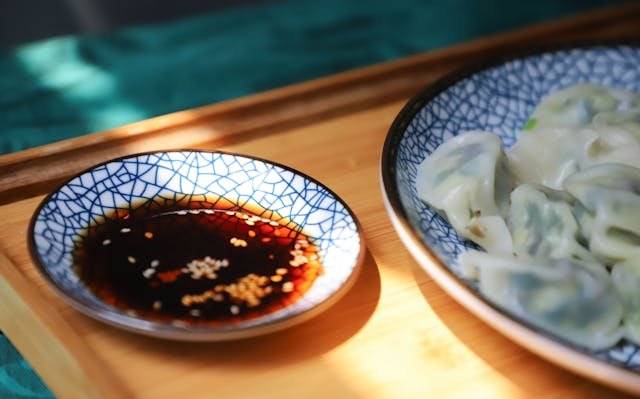
A simple yet classic use for soy sauce is as a dipping sauce. It pairs well with boiled chicken, fresh vegetables, or dumplings. Mix your preferred brand with sesame oil, rice wine vinegar, and a touch of pepper. Add cilantro for an herby twist, and be sure to save any leftovers for your next meal.
Stir-Fry Sauce
Create a quick stir-fry sauce to liven up leftover rice or noodles, shrimp, tofu, and an array of vegetables. Start with vegetable stock, then mix in soy sauce, sesame oil, rice vinegar, minced garlic, ginger, and sugar. Use cornstarch for thickening, and add red pepper flakes for a kick of spice.
Salad Dressing
Upgrade your standard salad with a homemade Asian ginger dressing. Mince fresh garlic and ginger for the best flavor, then blend it with olive oil, soy sauce, rice vinegar, and honey. You can dilute it with water and adjust to your taste preferences.
Soup Stock
Soy sauce is perfect for enriching soups, particularly in the popular shoyu ramen, which requires mastery among Japanese chefs. Prepare the broth with soy sauce, sesame oil, ginger, garlic, chicken stock, dashi, and sake, with sugar and salt added to taste.
Discovering the Best Soy Sauce for You
Determining the best soy sauce can be subjective due to the variety of choices available. Utilize this guide to narrow down your options and taste some of the top selections. Always prioritize your personal preferences and health considerations when selecting condiments.