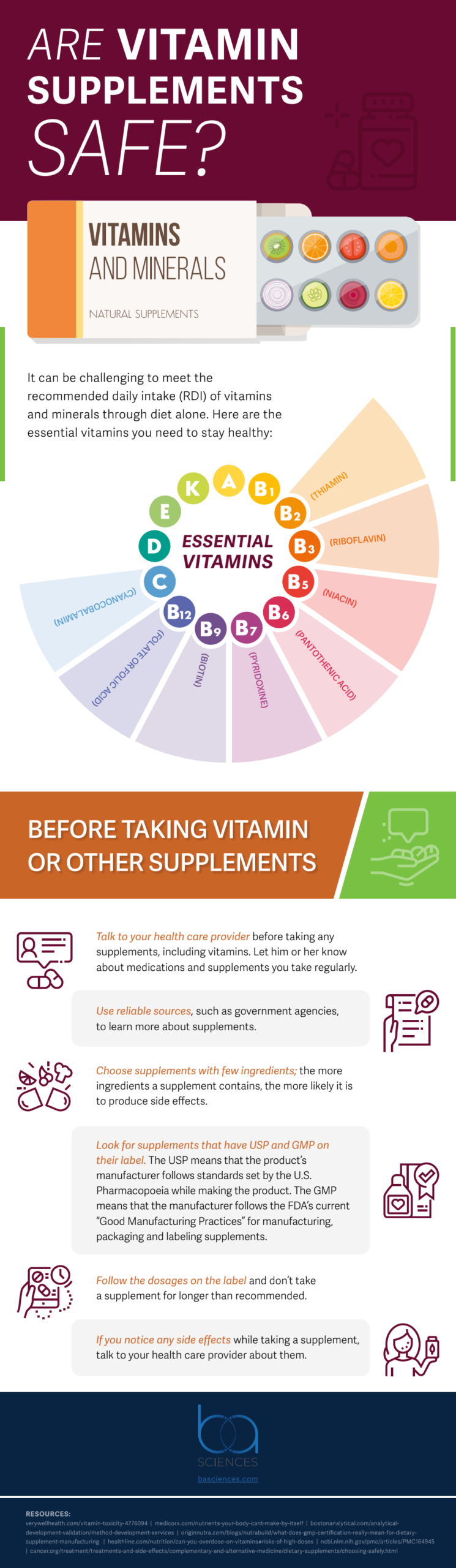
Dietary supplements are popular among individuals aiming to enhance various health objectives, such as increasing energy levels or augmenting nutrient intake. Although they can offer advantages in specific situations, the safety of these products is contingent on multiple factors, including the integrity of the ingredients, production protocols, and the consumer’s personal health status. Without appropriate guidance, those who depend on supplements may inadvertently neglect potential hazards that could adversely affect their overall health.
Oversight and Standards
In the U.S., dietary supplements fall under the regulation of the Dietary Supplement Health and Education Act (DSHEA) initiated in 1994, distinguishing them from conventional pharmaceuticals. It is the responsibility of manufacturers to ensure the safety and accuracy of product labeling prior to market availability. However, the Food and Drug Administration (FDA) usually steps in only when a product is proven unsafe post-release. This regulatory framework leads to significant variability in product quality among different brands.
Safety Risks to Consider
Certain dietary supplements may contain components that could interact negatively with medications or worsen existing health issues. For example, excessive vitamin A intake can induce liver damage, while too much iron can lead to gastrointestinal discomfort or toxicity. Herbal supplements like St. John’s Wort can disrupt the effectiveness of various prescription medications, including antidepressants and birth control. Furthermore, the risk of contamination is a significant concern; without stringent regulation throughout the manufacturing process, supplements might contain damaging substances like heavy metals or undisclosed pharmaceuticals.
Third-Party Testing and Accountability
To alleviate potential risks, some manufacturers opt for third-party testing of their products. Independent analytical laboratories can confirm ingredient authenticity, screen for contaminants, and verify that the product’s actual content matches what is claimed on the label. This additional layer of scrutiny enhances accountability and gives consumers greater confidence in the safety and reliability of the supplements they choose.
Groups Requiring Extra Vigilance
Some individuals should exercise increased caution before beginning any supplementation regimen. Pregnant or nursing women, those with chronic medical conditions, and individuals taking multiple medications should seek advice from healthcare professionals. Athletes should be particularly vigilant, as certain performance-enhancing supplements might contain banned substances, risking disqualification in competitive settings.
Tips for Making Educated Choices
Consumers are encouraged to examine both the supplements and their manufacturers before making a purchase decision. Investigating ingredient lists, looking for third-party certification labels, and consulting peer-reviewed studies can assist in identifying products that adhere to higher safety standards. Trusted sources of information include reputable health journals, registered dietitians, and accredited health organizations.
Importance of a Well-Rounded Diet
Although supplements can help address nutritional deficiencies, they should not replace a diverse and balanced diet. Whole foods present a variety of nutrients, fiber, and beneficial compounds that supplements alone cannot replicate. For most healthy individuals, prioritizing nutrient-dense meals along with a healthy lifestyle (including regular exercise and sufficient sleep) may eliminate the need for supplements entirely.
Responsible use of dietary supplements hinges on making informed choices, obtaining professional advice, and being aware of possible risks. Through diligent research and responsible practices, consumers can enhance the likelihood that the supplements they select will have a constructive impact on their health. To further explore the subject of dietary supplements, feel free to review the infographic accompanying this article below.