


While it might seem like a concept from science fiction, freeze-dried meals have been a fixture in our kitchens since the early 20th century, specifically 1906 when the technique was first developed in France.
These meals undergo a process where they are frozen and have the majority of their moisture extracted, allowing them to be stored for extended periods while still maintaining their flavor and nutritional content—especially when stored correctly. Although it may seem miraculous, it’s the result of scientific methods; freeze-dried meals can be both delicious and healthy.
If you’re looking to embark on a healthier diet, consider convenient freeze-dried meals for easy nutrition on-the-go. They are simple to prepare, healthier than many processed snacks, and provide greater convenience.
The Science Behind Freeze-Dried Meals
The freeze-drying process eliminates moisture, which helps prevent spoilage. This results in lightweight and compact meals with significantly longer shelf lives. Unlike canning or simple dehydration, freeze-drying excels at preserving essential vitamins and minerals. Furthermore, it limits the growth of bacteria and pathogens. If you’re interested in dehydrating techniques, check out the top dehydrators linked here and consider the right equipment for enhancing the quality and longevity of your dehydrated foods.
Utilizing low temperatures ensures that food proteins remain intact. When kept at 0°F (-18°C), freeze-dried meals can last for years while remaining safe to eat. Once they are rehydrated, these meals preserve their original appearance, flavor, and nutritional content. According to studies, rehydrated fruits and vegetables can maintain as much as 97% of their vitamin content, and they also retain natural colors and flavors.
Moreover, these benefits make freeze-dried meals an excellent choice for those leading busy lifestyles. They provide nutritious options without artificial preservatives or excessive sodium levels.
The Advantage of Freeze-Dried Meals
In today’s fast-paced world, quick meal options are essential, and freeze-dried meals excel in this area. Simply add water, and within moments, you have a satisfying and healthy dish. Well, it may take a few extra minutes, but you get the drift.
Their compact and lightweight nature requires very little storage space. Plus, with their low moisture content, freeze-dried meals have an impressive shelf life when stored appropriately. This allows you to stock up on your favorites without fears of spoilage.
Owing to their lengthy shelf life, freeze-dried meals are popular among outdoor enthusiasts like backpackers and hikers. Nowadays, you can find a variety of freeze-dried foods, including fruits, vegetables, and even complete meals in grocery stores. When shopping, look for individual serving sizes for a grab-and-go convenience.
You might also consider meal kits featuring pre-portioned freeze-dried ingredients that make it easy to prepare recipes like chicken curry or pasta primavera. Such minimal preparation means you can enjoy homemade, nutritious meals without lengthy cooking times.
Nutritional Benefits of Freeze-Dried Meals
Freeze-drying is superior in preserving nutrients compared to other methods of food preservation. By removing moisture, vitamins and minerals remain intact over time. Studies have shown that rehydrated freeze-dried foods still contain a significant amount of vitamin C and beta-carotene. This stands in stark contrast to fast food, which often loses much of its nutritional value during processing.
Beyond standard options, many brands now offer gluten-free and vegan freeze-dried meals to accommodate various dietary preferences. There are also low-sodium choices for those watching their heart health, and some products use organic ingredients free from artificial preservatives, colors, or flavors.
With their rich nutritional profile, freeze-dried meals make maintaining a healthy diet easy. Additionally, creating balanced meals using freeze-dried ingredients can provide a wholesome alternative to conventional quick meals, which often lack adequate nourishment.
Integrating Freeze-Dried Meals into Your Diet
Incorporating freeze-dried foods into your meals can yield balanced nutrition and bolster a healthy lifestyle. When complemented by fresh foods, these convenient options not only enhance the flavor and texture of your dishes but also add valuable nutrients to your diet.
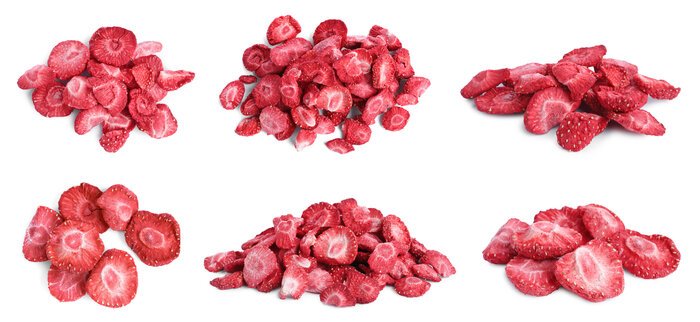
For instance, consider adding freeze-dried fruits to your oatmeal for a nutritious breakfast or pairing a freeze-dried rice or pasta dish with a fresh salad for lunch. At dinner, whip up a freeze-dried chicken meal enhanced with fresh vegetables and a drizzle of olive oil for a wholesome option.
Helpful Tips and Considerations
Though they may be pricier than some ready-to-eat meals, freeze-dried options can still be budget-friendly, particularly when purchased in bulk. Here are a few pointers to keep in mind:
- Select reputable brands that clearly outline ingredients and nutrition information.
- Look for terms like “raw” and “cold-processed,” indicating minimal processing. Focus on whole-food ingredients over artificial additives.
- Re-seal packages promptly and follow storage instructions to ensure maximum shelf life.
- Despite their lightweight nature, freeze-dried foods are nutritionally dense, so servings may be smaller than typical prepared meals.
By exploring various freeze-dried options, you can find affordable choices that fit your tastes and dietary requirements.
In Summary
Freeze-dried meals serve as a practical solution for anyone seeking a healthy, hassle-free eating experience. They capture the benefits of fresh foods, are easy to make, and boast an impressive shelf life.
Whether you’re a busy professional, a mindful eater, or simply someone in search of practical meal solutions, these foods check all the right boxes. They offer nutrition, versatility, and accommodate diverse dietary needs, making them an excellent choice for everyone.