

In our contemporary, fast-paced environment, many individuals struggle to carve out time for gym visits. Factors such as busy schedules, budget limitations, or a preference for solitude contribute to the growing trend of home workouts. Fortunately, achieving fitness and maintaining a healthy lifestyle can be accomplished without a gym membership or expensive equipment. This article showcases effective workout routines that you can perform at home, as endorsed by physiotherapists and personal trainers.
1. Bodyweight Exercises: The Basis of Home Fitness
Bodyweight exercises serve as the foundation for home workouts, needing just your own body and commitment. These exercises target multiple muscle groups, providing a comprehensive workout. Squats, lunges, push-ups, and planks are simple yet effective bodyweight exercises that can be adjusted to meet your fitness level.
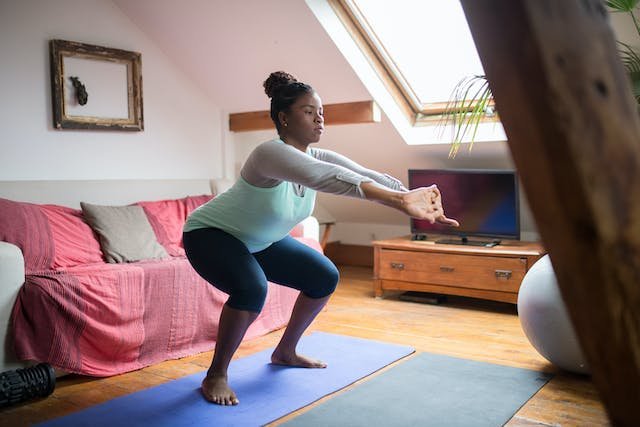
- Squats: Stand with your feet shoulder-width apart and lower your hips back and down, as if sitting into an invisible chair. Keep your chest raised and drive through your heels to stand back up.
- Push-ups: Begin in a plank position, placing your hands slightly wider than shoulder-width. Lower your body by bending your elbows, then push back up to the starting position.
- Planks: Assume a push-up position, maintaining a straight line from your head to your heels. Engage your core and hold this position for as long as you can.
2. Cardiovascular Workouts: Boost Your Heart Rate
Including cardiovascular exercises in your home fitness routine is vital for heart health. Simple activities like jumping jacks, high knees, and mountain climbers can easily be done in limited space.
- Jumping Jacks: Stand with your feet together and arms by your sides. Jump outwards while raising your arms overhead, then swiftly return to your original position.
- High Knees: Stand in place and lift your knees to hip level, alternating as if running. Use your arms for added intensity.
- Mountain Climbers: Get into a plank position and draw one knee toward your chest, then rapidly switch legs in a running motion.
3. Resistance Training: Utilize Household Items
You don’t require dumbbells to engage in resistance training at home. Common household items like filled water bottles, backpacks, or even cans can serve as makeshift weights.
- Water Bottle Bicep Curls: Fill two water bottles with a suitable amount of water, holding one in each hand. Perform bicep curls by bending your elbows and raising the bottles to your shoulders.
- Backpack Squats: Pack a backpack with books or other heavy materials. Wear it and execute squats just like you would without extra weight.
4. Yoga And Pilates: Enhance Strength And Flexibility
Both Yoga and Pilates provide fantastic options for at-home workouts that concentrate on building strength, flexibility, and balance. Utilize online videos or applications to guide you through a variety of poses and movements.
- Yoga Poses: Integrate poses like downward dog, warrior stances, and sun salutations to enhance your flexibility and balance.
- Pilates Movements: Pilates exercises predominantly focus on core engagement. Include movements such as planks, leg lifts, and Pilates push-ups for a comprehensive routine.
5. Online Workout Resources: Transform Your Living Space into a Gym
The digital world offers a plethora of workout resources suitable for every fitness level and personal preference. Numerous fitness experts and certified trainers provide free or subscription-based online workout plans, from high-intensity interval training (HIIT) to dance sessions, ensuring your home workouts remain engaging and effective.
WATCH OUT FOR THESE COMMON MISTAKES
While exercising at home provides convenience and flexibility, it’s important to be aware of certain pitfalls that can compromise the safety and efficacy of your fitness routine. Here are some common mistakes to avoid during home workouts:
Forgoing Warm-Up and Cool Down
- Avoid: Skipping warm-ups and cool-downs.
- Why: A warm-up prepares your body for the workout by boosting blood flow and flexibility. Omitting this step can increase injury risk. Likewise, a cool-down routine aids muscle recovery and flexibility.
Neglecting Proper Form
- Avoid: Compromising form for the sake of speed or number of repetitions.
- Why: Improper form increases your risk of injury and diminishes the benefits of your workout. Prioritize good technique, even if it means reducing the number of repetitions.
Overexertion
- Avoid: Engaging in excessive workouts without allowing for recovery.
- Why: Overexertion can lead to fatigue, heightened injury risk, and burnout. Provide your body with ample rest and incorporate recovery days into your schedule.
Ignoring Signs of Pain, Fatigue, Stress, or Illness
- Avoid: Pushing through discomfort or disregarding signs of stress and fatigue.
- Why: Pain often indicates that something isn’t right. Ignoring pain may result in serious injury. If you experience discomfort beyond normal muscle fatigue, consider modifying the exercise or seek advice from a physiotherapist.
Lack of Consistency
- Avoid: Inconsistent workout practices.
- Why: Following a consistent routine is vital for noticing progress. Establish a regular workout schedule that aligns with your lifestyle, whether it’s daily workouts or sessions several times a week.
Skipping Variety
- Avoid: Sticking rigidly to the same workout regimen.
- Why: Repeating the same exercises may lead to boredom and failure to progress. Introduce variety into your workouts to keep them interesting and challenging.
Neglecting Proper Nutrition and Hydration
- Avoid: Exercising without eating properly or staying hydrated.
- Why: Adequate nutrition and hydration are essential for sustained energy and recovery. Ensure you consume balanced meals and hydrate to optimize your workouts and overall health.
In summary, maintaining fitness at home is not only feasible but can also be enjoyable. By integrating bodyweight exercises, cardiovascular workouts, resistance training, yoga, and utilizing online resources, you can establish a well-rounded fitness regime without stepping foot in a gym. The essential components are consistency, attentiveness to your body’s signals, and readiness to adapt as required. Embrace the flexibility and comfort of home workouts, and you’ll be on the path to a healthier, stronger self.