

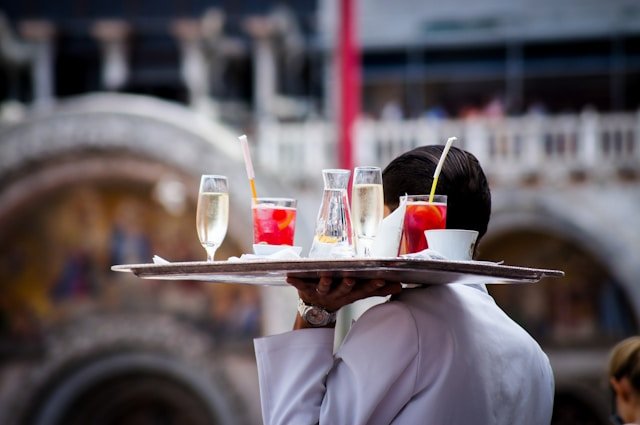
In the realm of hospitality, wine expertise and its service are vital components that greatly influence the overall dining experience. As the world of cuisine adapts and changes, it is becoming increasingly essential for waitstaff to go beyond merely serving food and drinks to actively assisting diners with a thoughtful wine selection. This article delves into the essential function of waitstaff in wine service and emphasizes the various responsibilities associated with it, aiming to shed light on why this facet of dining is essential for enhancing guest satisfaction, rather than an indulgent luxury.
Wine: A Beverage with Rich Narratives
Wine has an extensive and intricate history, serving as more than just an addition to a meal; it tells the story of its origin, the climate that produced it, and the craftsmanship involved in its creation. For servers, having a strong foundation in wine knowledge is critical. This entails familiarity with diverse grape varieties, the distinctions between wine-producing regions, the vinification process, and the ability to identify and communicate the various notes and aromas found in wines. Such expertise enhances the choice of wines that pair exquisitely with meals while providing guests insights into the wine’s background, enriching their overall dining experience.
The Key Function of Waitstaff in Wine Recommendations
The duties of a waiter reach far beyond the basics when it comes to wine service. Frequently, they take on the role of a sommelier, particularly in venues lacking a dedicated wine authority. This responsibility goes beyond showcasing the wine list; it necessitates engaging diners in conversation to gauge their tastes, the significance of their occasion, and their openness to exploring various wine offerings. An astute recommendation from a waiter can enhance the dining experience, transforming wine selection into an engaging and individualized affair. By doing so, diners are likely to leave with lasting memories, fostering customer loyalty and encouraging positive referrals.
Elevating Guest Experience with Wine Knowledge
Successful wine service hinges on the waiter’s ability to create an atmosphere that allows guests to feel relaxed and knowledgeable about their selections. This includes articulating the distinguishing features of different wines, explaining how they pair with the menu, and proposing choices that fit the diners’ tastes and budgetary considerations. With expertise at their disposal, waitstaff can dispel the intimidation often associated with wine, making it approachable and enjoyable for everyone present. Furthermore, well-informed recommendations can introduce diners to new taste sensations and regions, broadening their gastronomic horizons.
The Craft of Wine Service
Beyond making appropriate suggestions, the craft of wine service involves a host of practices that enrich the dining atmosphere. It includes presenting the wine with elegance, where the waiter articulately shares its characteristics and origin, performing the ceremonial uncorking and pouring, and managing the wine glasses to ensure each variety is served in its correct stemware. Adhering to proper wine service etiquette, including serving at the ideal temperature, is essential to revealing the wine’s complete bouquet and flavor profile. Attention to these meticulous details elevates the sophisticated reputation of the dining venue.
Commitment to Continuous Wine Education
Given the ever-evolving nature of the wine landscape, where new regions arise and tastes shift, a fervor for wine and a dedication to ongoing learning is crucial for waitstaff. This encompasses engaging in wine tastings, participating in workshops, and keeping up with industry developments. Such commitment not only bolsters the server’s knowledge and confidence but also enriches their interactions with guests, allowing them to provide insights into contemporary wine trends and recommendations.
Influencing the Dining Experience
The significance of wine expertise and service within a waiter’s role is paramount. It plays a vital part in creating the ambiance of the dining experience, adding an element of sophistication and engagement that transcends the fundamental act of eating and drinking. By extending expert advice and personalized service, waitstaff can transform an ordinary meal into an extraordinary experience, encouraging diners to venture into the diverse and enjoyable world of wine with a welcoming approach.
Conclusion
The mastery of wine knowledge and service is essential for waitstaff, significantly enriching the dining experience while meeting the refined expectations of today’s guests. Through expert guidance, customized suggestions, and careful service, waitstaff serve as a crucial link between diners and the expansive, fascinating world of wine. This not only enhances the culinary journey but also establishes the waiter as an integral part of the dining experience, showcasing the depth of their responsibilities and their impactful role in guest satisfaction. As the culinary scene continues to progress, the value of knowledgeable and enthusiastic wine service remains steadfast, emphasizing the importance of continuous education and an authentic passion for the art of wine.