

As the focus on health and wellness grows, many consumers are beginning to appreciate the importance of making educated nutritional choices. With the increasing interest in healthier and more sustainable protein options, grass-fed protein powder stands out as a compelling choice.
In contrast to conventional grain-fed protein powders, grass-fed whey protein isolate presents a distinctive nutritional profile, offering numerous health advantages ranging from better muscle recovery to enhanced metabolic function.
Nutritional Advantages of Grass Fed Protein Powder
The core distinction lies in the nutrient composition between grass-fed and grain-fed protein powders. Grass-fed whey protein is abundant in omega-3 fatty acids, vitamins A, E, and D, along with vital minerals such as calcium and magnesium, rendering it a far more nutrient-rich choice compared to grain-fed varieties. This superior nutrient density not only aids in muscle development and recovery but also promotes better health overall.
A notable element of organic grass-fed whey protein is its elevated levels of Conjugated Linoleic Acid (CLA) and crucial amino acids like leucine and glutamine. These components are vital for muscle synthesis and recovery after exercise, making grass-fed protein powder a prime selection for fitness enthusiasts and athletes alike.
Enhanced Absorption and Digestibility
The advantages of grass-fed whey protein isolate extend beyond its impressive nutrient content. Grass-fed whey also possesses a more natural enzyme profile, which significantly improves the absorption and digestibility of essential nutrients. This leads to more effective nutrient utilization by the body, promoting overall health and minimizing digestive issues frequently associated with standard protein powders.
The superior digestibility of grass-fed protein powder is especially beneficial for those with lactose intolerance or dairy sensitivities, as the natural enzymes can alleviate some digestive challenges. This makes grass-fed whey protein an excellent option for individuals aiming to enhance gut health and immune support.
Environmental and Ethical Benefits
In addition to personal health benefits, the grass-fed protein powder sector embodies a dedication to sustainability and animal welfare that differentiates it from mainstream protein sources. Grass-fed cows are raised in a more environmentally friendly agricultural system, which fosters biodiversity, healthy soils, and clean water systems.
This method decreases environmental consequences and ensures that cows are treated humanely and permitted to exhibit their natural behaviors, such as grazing on open pastures.
By opting for organic grass-fed whey protein, consumers can make choices that align with their values, supporting a sustainable and ethical food system that considers the welfare of both the planet and the animals involved.
Grass Fed Protein’s Impact on Weight Management and Metabolism
The nutritional perks of grass-fed protein powder aren’t limited to muscle development and recovery; they also significantly influence weight management and metabolic health. The elevated CLA levels found in grass-fed whey protein isolate have been associated with better body composition and decreased body fat, presenting a beneficial tool for weight loss and maintenance.
Moreover, the positive effects of grass-fed protein on insulin sensitivity are crucial for maintaining healthy blood sugar levels, further reinforcing its importance in metabolic health. By introducing grass-fed whey protein into your meals, you can support your weight management objectives while enhancing overall metabolic functioning.
Antioxidant Properties of Grass Fed Protein Powder
The nutritional excellence of grass-fed whey protein is also evident in its antioxidant content. Organic grass-fed whey protein is enriched with higher levels of vitamins A and E, which function as potent antioxidants to help diminish oxidative stress and inflammation within the body. This antioxidant capacity can yield extensive benefits, including quicker recovery, less muscle soreness, and improved overall wellness.
For individuals pursuing a holistic approach to health and fitness, grass-fed whey protein isolate stands out due to its combination of enhanced nutrient absorption, digestibility, and antioxidant qualities.
Recommendations for Athletes and Bodybuilders
While the merits of grass-fed whey protein extend to all health-focused individuals, athletes and bodybuilders can derive particular benefits from including it in their nutrition plans. The amino acid profile and muscle-building capabilities of grass-fed whey are comparable to traditional protein powders but come with the additional benefits of greater nutrient density and optimized recovery.
The amplified antioxidant levels in organic grass-fed whey protein may significantly reduce muscle soreness and inflammation, allowing athletes and bodybuilders to recover more effectively from rigorous training sessions. This blend of performance enhancement and recovery support makes grass-fed whey isolate protein powder an ideal choice for those looking to elevate their athletic performance and fitness journey.
Incorporating Grass Fed Protein Powder into Your Meals
Incorporating grass-fed whey protein into your diet is simpler than you might imagine. This versatile protein powder can be used in various preparations, from shakes and smoothies to baked goods and savory meals. Whether you’re aiming to boost post-workout recovery or seeking a nutritious protein infusion, grass-fed whey protein isolate can be easily integrated into your daily meals and snacks.
Here are some suggestions for adding grass-fed protein powder to your diet:
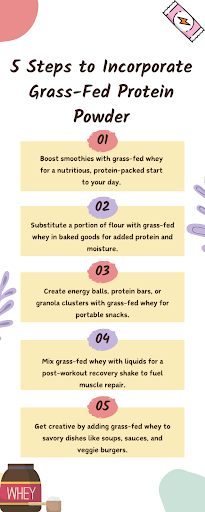
For optimal timing and dosage, it is important to adhere to the guidelines provided on the product label while tailoring it to your personal needs and fitness ambitions. By consistently including grass-fed whey protein in your diet, you can maximize the extensive health benefits it offers.
Selecting the Right Grass Fed Protein Powder
With the rising demand for grass-fed whey protein, it’s important to make an informed choice by selecting a product that upholds the highest standards. Look for organic grass-fed whey protein that is gluten-free, soy-free, non-GMO (Genetically Modified Organisms), and free from artificial hormones to ensure a wholesome and natural product.
Additionally, prioritize whey protein sourced from sustainable farms where animals are cared for and respected.
Evaluating the right grass-fed protein powder requires considering several critical criteria. Use the following comparison table as a helpful tool:
| Criteria | Description |
| Source | 100% grass-fed, pasture-raised cows. Richer in omega-3s, CLA, and antioxidants. |
| Certifications | Organic, non-GMO, hormone-free certifications. |
| Processing | Minimally processed, low-temperature dried, absence of excessive additives. |
| Purity | Third-party testing and clear ingredient listing. |
| Sustainability | Regenerative agriculture practices, animal welfare efforts, responsible land management. |
| Taste and Mixability | Pleasant flavor, smooth consistency, resistant to clumping or grittiness. |
Choosing a premium grass-fed whey protein isolate ensures that you are making a worthwhile investment in your wellness while endorsing a more ethical and environmentally responsible food system.
The remarkable health benefits of grass-fed protein powder stem from its exceptional nutrient profile, enhanced bioavailability, and digestibility. By opting for organic grass-fed whey protein, you are not only benefitting your own health but also promoting a more sustainable and ethical food industry.
Whether you’re an athlete, a fitness devotee, or someone simply aiming to enhance your health, integrating grass-fed whey isolate protein powder into your daily regimen can significantly transform your well-being. Harness the advantages of this nutritional powerhouse and embark on a journey toward improved health, performance, and ecological responsibility.
Commonly Asked Questions
- Is there a significant difference in flavor between grass-fed and grain-fed protein powders?
The flavor distinction between grass-fed and grain-fed protein powders may be subtle, with some users noting a creamier or more natural taste in the grass-fed varieties. Ultimately, flavor preference is subjective, and many premium grass-fed protein powders are engineered to be equally enjoyable as their grain-fed counterparts.
- How does the cost of grass-fed protein powder compare to traditional options, and is it worth the price?
Typically, grass-fed protein powders come with a higher price point than traditional, grain-fed options. Nonetheless, the long-term health benefits and ethical implications often validate the investment. When assessed holistically, the superior nutrient profile, better absorption, and sustainable sourcing of grass-fed protein powder can make it a wise decision for health-conscious consumers.
- Can those with lactose intolerance or dairy sensitivities consume grass-fed whey protein powder?
Yes, people with lactose intolerance or dairy sensitivities can usually enjoy grass-fed whey protein isolate without issues. Its natural enzyme content aids in digestibility and diminishes the likelihood of digestive discomfort, rendering it suitable for those with dietary restrictions.
Conclusion
The key to harnessing the extensive health benefits of grass-fed protein powder lies in understanding its comprehensive nutritional strengths, from its superior amino acid profile to its positive effects on weight management and metabolic health.
By transitioning to this ethical and sustainable protein source, you can embark on a path to improved overall health while promoting a more environmentally conscious food system.