

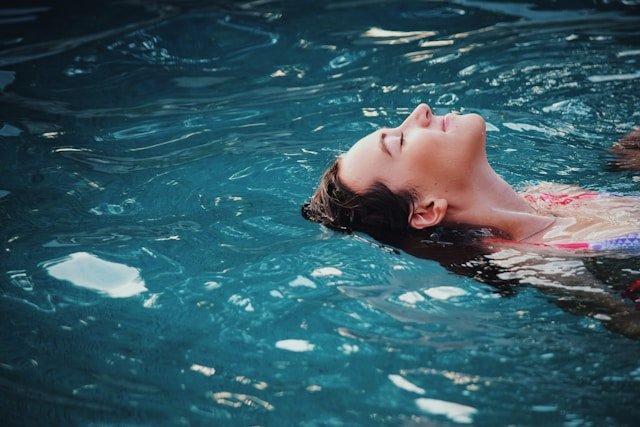
Swimming serves as an exceptional form of cardiovascular exercise suitable for individuals of all ages. Whether your goal is weight loss, improved endurance, enhanced muscle strength, or greater flexibility, consider these six tips designed for those new to swimming.
Choose the Right Swimming Equipment
For novices, obtaining the correct swimming gear is crucial. Opt for high-quality swimwear that you feel comfortable and secure in. Men typically wear swim trunks or briefs, while women often prefer one-piece suits. Essential items for beginners include swim goggles and swim caps; accessories like kickboards, hand paddles, swim fins, and pull buoys are optional but can enhance your experience.
Establish Achievable Swimming Goals
Creating achievable goals can significantly enhance your swimming journey. Set both short-term and long-term objectives, and avoid placing excessive pressure on yourself. It’s important to have realistic expectations, regardless of your athletic background, and to approach your progress with patience.
Do not feel disheartened if you struggle with floating or mastering different strokes. Progress at your own speed and refrain from comparing your abilities to those of others. Although swimming is generally safe for most individuals, including those with asthma or CMT1, it’s wise to consult your doctor to ensure your physical readiness.
Consider Professional Instruction
Although self-teaching is possible, enlisting the help of a qualified swimming instructor can significantly improve your swimming skills. These professionals can correct your techniques and offer constructive feedback that boosts your confidence in the water. Seek a reputable instructor with appropriate credentials who makes you feel at ease.
Prioritize Stretching Before Swimming
Engaging in stretching or warm-up exercises prior to swimming is critical for injury prevention and optimal performance. While it’s not necessary to overdo it, select exercises that will effectively prepare your body for swimming. Recommended warm-ups include jumping jacks, squats, arm swings, arm circles, lunges, and high knees.
Remain Calm in the Water
A common mistake among beginners is to panic when in the water. Even if you have a fear of swimming, it’s essential to maintain your composure as panic can lead to serious risks, such as drowning. As you are learning, it’s advisable to swim with someone who is competent, or if you’re alone, stay in shallow water where a lifeguard is present.
Master the Breathing Technique
Understanding the correct breathing technique is fundamental in swimming. Poor breathing habits can hinder your swimming experience. Always exhale while your face is submerged, and avoid holding your breath to reduce anxiety and facilitate better breathing patterns.
Conclusion
Learning to swim does not have to be overwhelming. Keep an eye on your body positioning, grasp the foundational techniques, and don’t hesitate to seek professional assistance.