

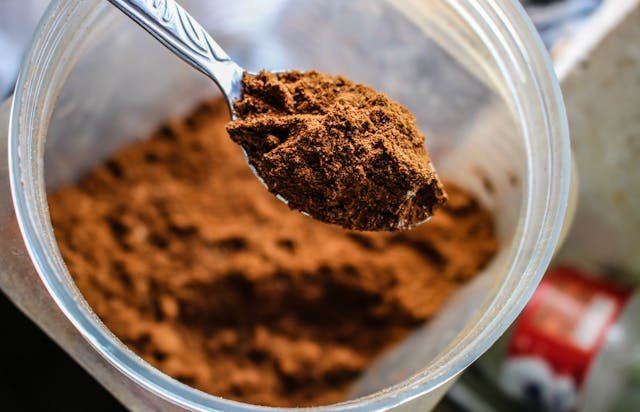
For individuals aspiring to enhance their fitness journeys, whether through strength building or athletic improvement, protein powder has emerged as a crucial supplement. Rich in essential amino acids, these protein supplements support recovery after workouts, promote lean muscle development, assist in weight management, and offer a practical nutritional enhancement.
However, with numerous formulations on the shelves, selecting the right protein can be overwhelming. Popular choices include whey, plant-based alternatives, and egg white protein. This detailed guide aims to explore all aspects of protein supplements—including their composition, advantages for users, criteria for choosing the optimal option, tips for proper usage, and timing for effective results.
Defining Protein Powder
Protein powder is a concentrated form of protein sourced from either animal or plant-based foods, ground into a fine powder to be reconstituted in drinks or incorporated into food. Common sources used in protein production include:
- Milk – The foundation for well-known whey and casein powders
- Eggs – Specifically, egg white protein isolates
- Plants – Including pea, soy, rice, and hemp
While whole foods naturally contain protein, supplements offer a concentrated source without the added carbohydrates, sugars, or fats, making them an efficient option for both fitness enthusiasts and athletes.
Insights on Protein Powder Components
Though protein is the primary ingredient, many commercial powder mixes also include additional elements to enhance flavor, texture, and shelf life:
- Sweeteners: Sweeteners like sucralose, stevia, and monk fruit improve taste, facilitating the mixing of inherently bland purified protein. Sugar-free options utilize non-nutritive alternatives.
- Thickeners: Ingredients such as xanthan and guar gum help create creamier shakes while stabilizing the blend.
- Artificial Flavors and Colors: Flavor enhancers, like those replicating chocolate or fruity profiles, make them more enjoyable for everyday use, with artificial colors providing appealing visuals.
- Fats and Carbohydrates: While protein remains the focus, some blends incorporate MCT oils, nut butters, or low-glycemic carbs to enhance athletic performance and recovery.
When evaluating products, it’s essential to consider the accompanying ingredients based on personal tastes and dietary restrictions, as numerous minimally processed options are available.
Advantages of Protein Powder
Although supplemental protein is primarily advantageous for athletes, its benefits also contribute to overall health and wellness:
- Promotes Muscle Growth and Repair: Protein serves as the foundational building block for muscle recovery, optimizing workout results and facilitating the growth of stronger muscles over time.
- Aids Recovery: Protein accelerates recovery dynamics, enabling both amateur and professional athletes to train more effectively while reducing post-exercise discomfort through faster muscle restoration.
- Supports Weight Management: A protein-rich diet is correlated with reduced body fat percentages. Increased protein intake enhances feelings of fullness and compliance with diet plans, assisting with sustainable weight loss efforts.
- Boosts Bone Health: Sufficient protein intake is vital for preventing bone mineral loss, important for aging adults to help reduce the risk of osteoporosis and fractures.
- Enhances Immune Function: Protein is essential for producing antibodies and enzymes vital for immune health, with deficiencies linked to higher rates of illness.

Varieties of Protein Powder
The sheer number of available protein powders can be intimidating, so here’s a brief overview of common types:
- Whey Protein: The most widely used protein, obtained from milk during cheese processing, it delivers all essential amino acids, making it perfect for post-exercise use due to its rapid absorption.
- Casein Protein: Also dairy-derived, casein digests more slowly, providing a steady release of nutrients that works well for longer periods without food. It elicits a lower insulin response compared to whey.
- Soy Protein: Sourced from processed soybeans, it offers a complete amino acid profile akin to animal proteins and includes beneficial fiber, vitamins, and minerals. Caution is advised if allergic.
- Pea Protein: This plant-based protein, derived from yellow split peas, provides a strong amino acid profile, although it may lack certain muscle-building nutrients compared to whey. It remains an excellent choice for many vegans and vegetarians.
- Rice Protein: Made from milled rice, this hypoallergenic plant option is typically low in lysine, an essential amino acid, and is often blended with pea protein for a more balanced amino acid profile.
- Hemp Protein: Created through the cold pressing of hemp seeds, it adds high fiber content for digestive and cardiovascular benefits, alongside its protein contribution, and contains omega fats and vitamin E.
Selecting the Ideal Protein Powder
Choosing the right protein powder amidst countless options involves evaluating several key factors:
- Dietary Requirements: For those following plant-based diets, opt for sources like pea or rice protein. Be cautious with dairy if lactose intolerant, and check for allergens.
- Fitness Objectives: If recovery is the goal, select quick-absorbing whey after workouts. For sustained energy between meals, casein may be preferable. Products targeting weight loss often include additional satiating amino acids.
- Taste Preferences: Select a flavor profile that enhances daily enjoyment rather than focusing solely on nutritional content. Numerous natural options offer delightful flavors like cocoa, vanilla, or subtle berry notes.
- Cost: The price of protein powders can vary significantly, from budget-friendly options to premium brands. Consider the quality linked to purity and processing when determining value.
- Third-Party Testing: Look for certifications, such as Informed Choice, which confirm that what is listed on the label corresponds to the actual contents and that products have been tested for contaminants.
- Sourcing & Processing: Many consumers prefer proteins that are minimally processed, grass-fed, and free of antibiotics. Those aligned with ethical sourcing should check for relevant certifications.
Utilizing Protein Powder
Protein powder offers versatility in culinary applications, making it easy to enhance nutrition:
- Protein Shakes: One of the simplest methods to enjoy protein powder is in shakes, offering countless flavor combinations for daily variety.
- Smoothies: Packed fruit smoothies can be enriched by incorporating protein powder, improving both texture and nutritional value.
- Baked Treats: Adding protein powder to batters for muffins, cookies, pancakes, or brownies enhances nutrition without sacrificing taste.
- Overnight Oats: Mix protein powder into the oat and liquid base for creamier overnight oats, adding fruits and nuts before refrigerating for a nutritious breakfast.
- Homemade Protein Bars: Combine protein powder with nut butter, oats, seeds, or puffed cereal to create custom protein bars by chilling the mixture in molds.
- Frozen Treats: Enhance the protein content of ice cream or yogurt pops by incorporating powder into the mixture while maintaining a creamy texture.
- Savory Foods: Blend unflavored collagen peptides into soups, stews, or sauces during the final cooking phase, or use rice and pea proteins as extenders in burgers.

Optimizing Your Supplement Use
To maximize the advantages of protein powder, consider these effective practices:
- Timing Is Key: Consuming whey protein within an hour after workouts enables you to take full advantage of the critical muscle recovery timeframe. Meanwhile, casein serves as an excellent option before bedtime.
- Vary Your Sources: Mixing different types of protein, like whey, collagen, and plant-based options, helps ensure a comprehensive amino acid profile and fuels muscle development at varying rates.
- Follow Serving Suggestions: Be aware that serving sizes differ among brands, so adhere to the recommended guidelines to ensure meaningful progress without wasting excess powder.
- Store Correctly: Keep protein powder containers sealed and stored away from moisture and heat to prevent clumping and ensure quality preservation.
- Mix and Drink Quickly: When mixing protein powder with liquids, a brief 10-15 second burst helps maintain the integrity of delicate proteins. Consume shakes shortly after preparing for best enjoyment.
Conclusion
Adequate daily protein intake can be increasingly difficult to achieve in today’s fast-paced environment. Protein powder, however, simplifies the process by offering a convenient way to boost this essential macronutrient through shakes, meals, or on its own. Despite the plethora of options available in the market, focusing on products that suit personal dietary needs, fitness ambitions, taste preferences, and budget facilitates the discovery of nutritious and enjoyable choices. Ultimately, experimenting with different proteins while refining preparation techniques can lead to the creation of satisfying supplements that enhance results.